

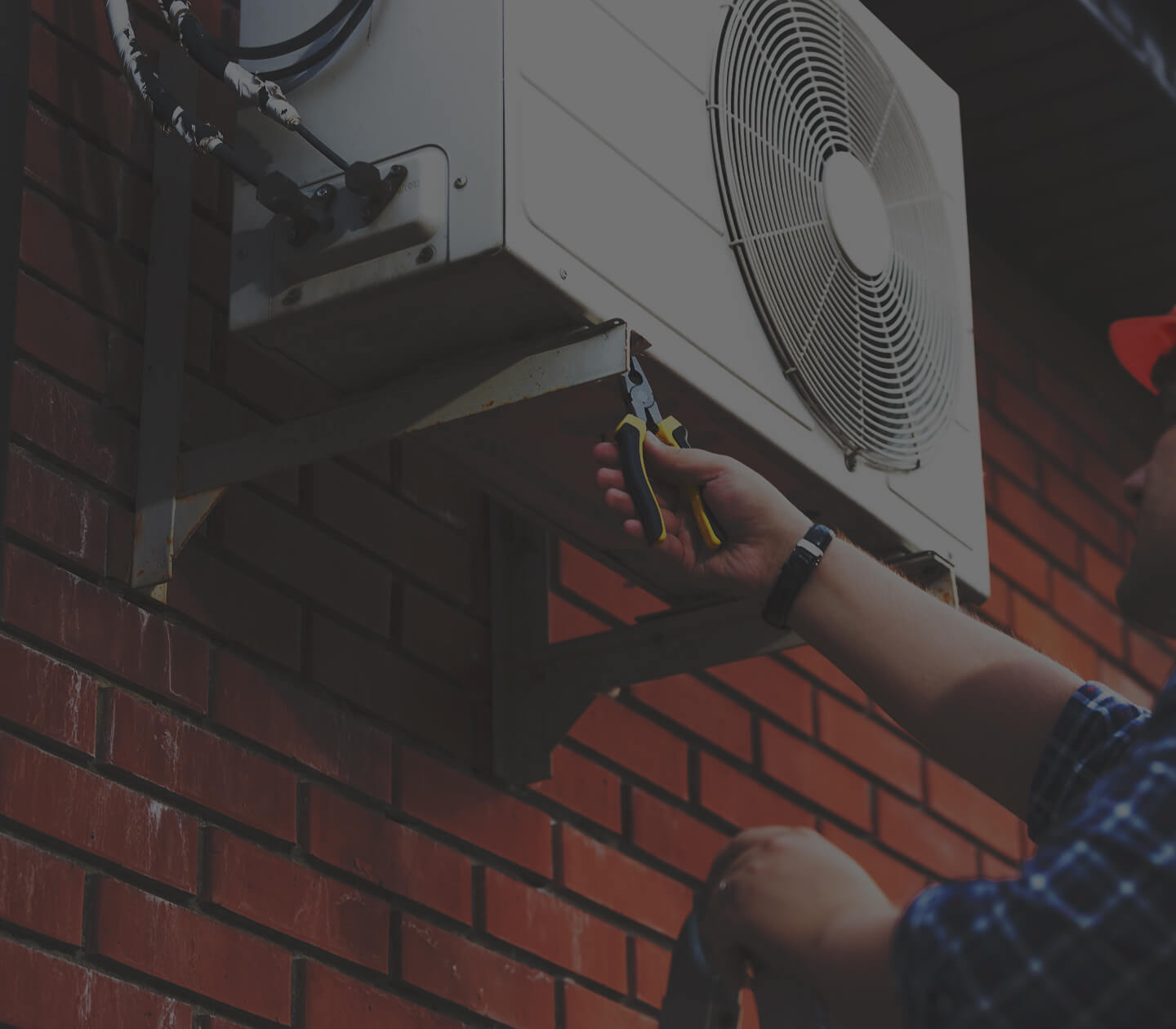
Furnace repairs can often be an unexpected hassle, but with a little preparation and knowledge, you can make the process smooth and stress-free. Whether you’re dealing with a minor issue or a significant breakdown, these tips will guide you through every step of the way.

1. Know When to Call a Professional
Understanding the signs that indicate a furnace issue is crucial. Look out for unusual noises, smells, or fluctuating temperatures. For instance, if you hear strange rattling or banging, it’s more than just an annoying sound; it could signify a more serious problem that needs immediate attention.
Moreover, pay attention to the heat output from your furnace. If certain rooms are significantly cooler than others, this might indicate an airflow problem. Early detection can save both time and money on repairs, so don’t hesitate to act if you notice these symptoms.
2. Research Repair Services in Your Area
When it comes to finding reputable repair services in Dublin and Powell, a little legwork can go a long way. Begin by searching online for local providers, but don’t just rely on search results; dive into customer reviews and testimonials. These insights can give you a clearer picture of who you can trust with your furnace repair.
Additionally, reaching out to friends, family, or neighbors for recommendations can be invaluable. Personal experiences can often guide you toward excellent service providers. A well-reviewed company in your area likely has a track record of satisfaction, setting your mind at ease as you make your choice.
3. Get Multiple Estimates
Don’t settle for the first quote you receive. Obtain several estimates to compare prices and services, helping you make an informed decision. This practice not only empowers you but also helps you understand the typical price range for your repair needs.
Once you have these estimates, assess them carefully. Look for hidden fees or unnecessary services. A transparent company will provide a detailed breakdown of costs, allowing you to gauge whether the price is fair for the work required. Remember, the cheapest option isn’t always the best; weigh the value of service and expertise.
4. Prepare Your Home for the Technician
Before your scheduled appointment, clear the area around the furnace and ensure access is easy for the technician. This can save time and help with the repair process. Imagine the frustration of having to navigate around obstacles during a repair; clearing the space is a simple yet effective step to facilitate the service.
You might also want to provide your technician with any information or documentation about previous repairs or maintenance. This context can assist them in identifying the problem more quickly, allowing for a more efficient service. Ultimately, a little preparation can make a big difference in the ease of the repair process.
5. Ask Questions
Don’t hesitate to ask your technician questions about the repair process, costs, and timeline. Ensuring that you understand the work being done can prevent misunderstandings later. For example, asking about the nature of the repairs can shed light on what to expect in terms of time and costs.
Engaging your technician in conversation not only informs you but also fosters a good working relationship. This interaction can provide you with insights into the condition of your furnace and what preventive measures you can take moving forward, enhancing both your understanding and peace of mind.
6. Understand Repairs Versus Maintenance
Differentiate between necessary repairs and regular maintenance. Knowing this can help you prioritize and budget effectively for furnace care. Regular maintenance consists of tasks like filter changes and system checks, whereas repairs are often reactive measures taken when something goes wrong.
Understanding your furnace’s needs can empower you to take proactive steps. This will not only extend the life of your unit but will also make you a more informed homeowner. Investing in maintenance can lead to fewer unexpected breakdowns, offering you greater peace of mind.
7. Follow Up After Repairs
Once repairs are completed, inquire about any warranties or guarantees. Following up can ensure that your furnace runs optimally post-service. A reputable repair service should stand by their work, giving you that added assurance that you are covered should issues arise sooner than expected.
Don’t forget to ask about recommendations for future maintenance. Understanding how to look after your furnace post-repair can significantly improve its longevity and performance. This proactive approach ensures your home remains comfortable, regardless of the season.
8. Maintain Regular Check-Ups
Schedule periodic maintenance checks to prolong the life of your furnace. Regular upkeep is key to preventing unexpected repairs in the future. Think of it as a health check-up for your furnace; just like you wouldn’t skip your doctor’s appointment, your furnace deserves the same attention.
These check-ups can help identify minor issues before they escalate into significant repairs. Plus, they often come with professional insights on how to keep your system running efficiently, which can save you money on your energy bills. Embracing this routine can lead to a happier home environment.