

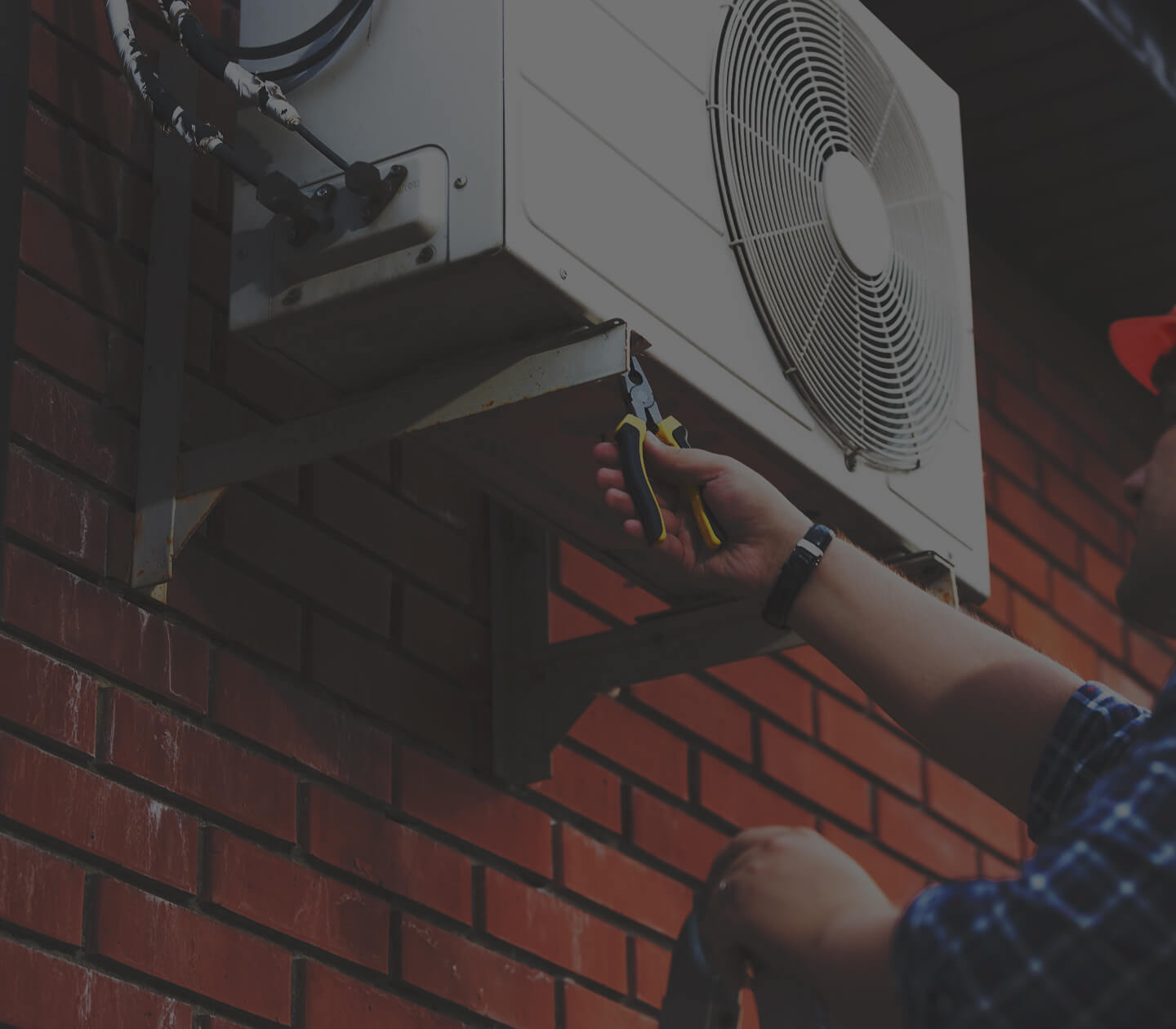
When it comes to maintaining a comfortable home, the quality of the air we breathe is often overlooked. However, ensuring good air quality is vital not just for comfort but for health. A well-functioning air conditioning (AC) system plays a crucial role in filtering out impurities and keeping our indoor air fresh. In this blog, we will discuss how proper AC repair can enhance air quality in your living spaces.
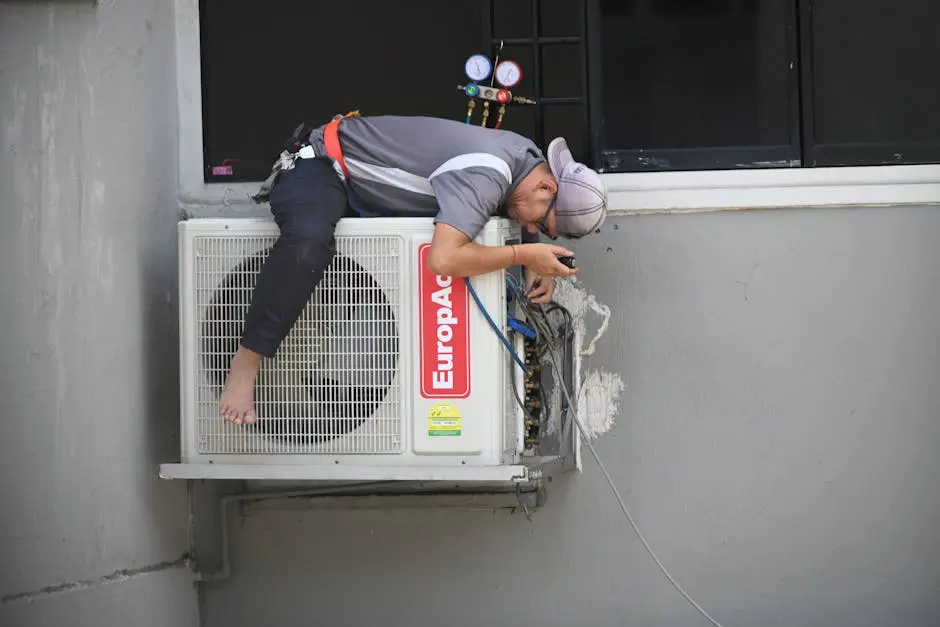
Understanding the Importance of Air Quality
Air quality directly affects our health and well-being. Poor air quality can lead to respiratory issues, allergies, and other health complications. Understanding its significance is the first step toward ensuring the air in our homes is clean and safe.
It’s not just about comfort; it’s about the quality of life you lead within your walls. The impacts of stale, contaminated air can manifest in various ways – from fatigue to chronic illnesses. As such, making awareness of air quality a priority is vital in every household. We are often surprised to learn that the air inside our homes can be more polluted than the air outside, especially in tightly sealed modern buildings.
Good air quality contributes significantly to improved mood and productivity. For families with children or elderly members, maintaining clean air is crucial. By taking a proactive stance, you can prevent potential health problems and ensure each breath taken inside your home is refreshing and rejuvenating.
How Your AC System Affects Indoor Air Quality
Your air conditioning system does more than just cool your home; it also plays a crucial role in filtering airborne pollutants. A properly maintained AC unit minimizes dust, pollen, and other allergens, creating a more pleasant indoor environment. It’s fascinating how this machine, often forgotten about until it breaks down, can be a true hero in keeping your home healthy.
When your AC is in good working order, it actively circulates air through clean filters, thus improving ventilation and reducing the concentration of indoor pollutants. Conversely, a neglected AC system can recirculate contaminated air, contributing to discomfort and adverse health effects. Think of your AC as a guardian of your indoor atmosphere—when it functions correctly, it ensures that the air you breathe is as fresh as possible.
Moreover, state-of-the-art AC systems come equipped with advanced filtration techniques, such as HEPA filters, that can capture particles as small as 0.3 microns. This means that even the tiniest allergens can be filtered out, providing a significant advantage for allergy sufferers. Investing in upgrades for your AC system could yield remarkable benefits for your home’s air quality.
Common AC Issues That Harm Air Quality
Problems such as dirty filters, refrigerant leaks, and mold growth can significantly decrease the quality of the air your AC circulates. Identifying these issues is essential to preventing contamination and ensuring your AC maintains optimal performance. For instance, a clogged filter not only forces your AC to work harder, leading to higher energy bills, but it also allows allergens to build up, worsening the air quality.
Another common issue arises from refrigerant leaks, which can lead to decreased cooling efficiency and contribute to humidity problems within your home. High humidity can foster mold growth, creating a vicious cycle that drastically compromises air quality. Addressing these issues head-on is critical; after all, a functional AC system should be your home’s partner in health, not an adversary.
Remember to keep an eye out for musty smells or visible signs of mold in the unit or ductwork. These could be indicators of a serious problem that deserves immediate professional attention. Being aware and responsive to these potential signs can greatly enhance your air quality and comfort.
The Role of Regular Maintenance and Repairs
Regular maintenance, including changing filters and checking for leaks, can extend the life of your AC system and enhance air quality. A scheduled inspection by a professional ensures that minor issues are addressed before they escalate. Just think about it: a little preventive care can save you time, money, and discomfort down the line!
In fact, engaging in routine maintenance not only keeps your system running smoothly but can also contribute to energy efficiency. An efficient AC uses less energy, which not only reduces your bills but also minimizes environmental impact. It’s a win-win situation; a well-maintained system is good for both your wallet and the planet.
Another aspect to consider is that regular maintenance can significantly reduce the likelihood of unexpected breakdowns during peak seasons. How disappointing it would be to have your system fail on the hottest day of summer! Scheduling biannual check-ups is a simple way to ensure your air conditioning is always in tip-top shape.
When to Seek Professional Help
Knowing when to call a professional for AC repair is crucial. Signs such as unusual noises, fluctuating temperatures, or an increase in dust around your home may warrant a technician’s attention to improve air quality. Don’t ignore those persistent whispers of concern—often, they signal a larger problem waiting to surface.
Additionally, if your AC system requires frequent repairs or seems to be inefficient despite regular maintenance, seeking professional advice might be the best course of action. It may be time to consider a replacement or upgrade to a more efficient model. After all, the health of your indoor environment is well worth the investment!
Timely repairs not only keep your system running efficiently, but they also help maintain comfort levels in your home. Remember, the quality of your indoor air is worth prioritizing, as it can lead directly to better health outcomes for you and your family.
Final Thoughts on Clean Air and AC Maintenance
Enhancing air quality through proper AC repair is a simple yet effective way to foster a healthier home environment. By staying proactive, understanding your AC system, and performing regular maintenance, you can breathe easier and enjoy the comfort of clean air. Don’t underestimate the power of fresh air – it leads to happier and healthier living. So, let’s take those first steps toward better air quality together!