

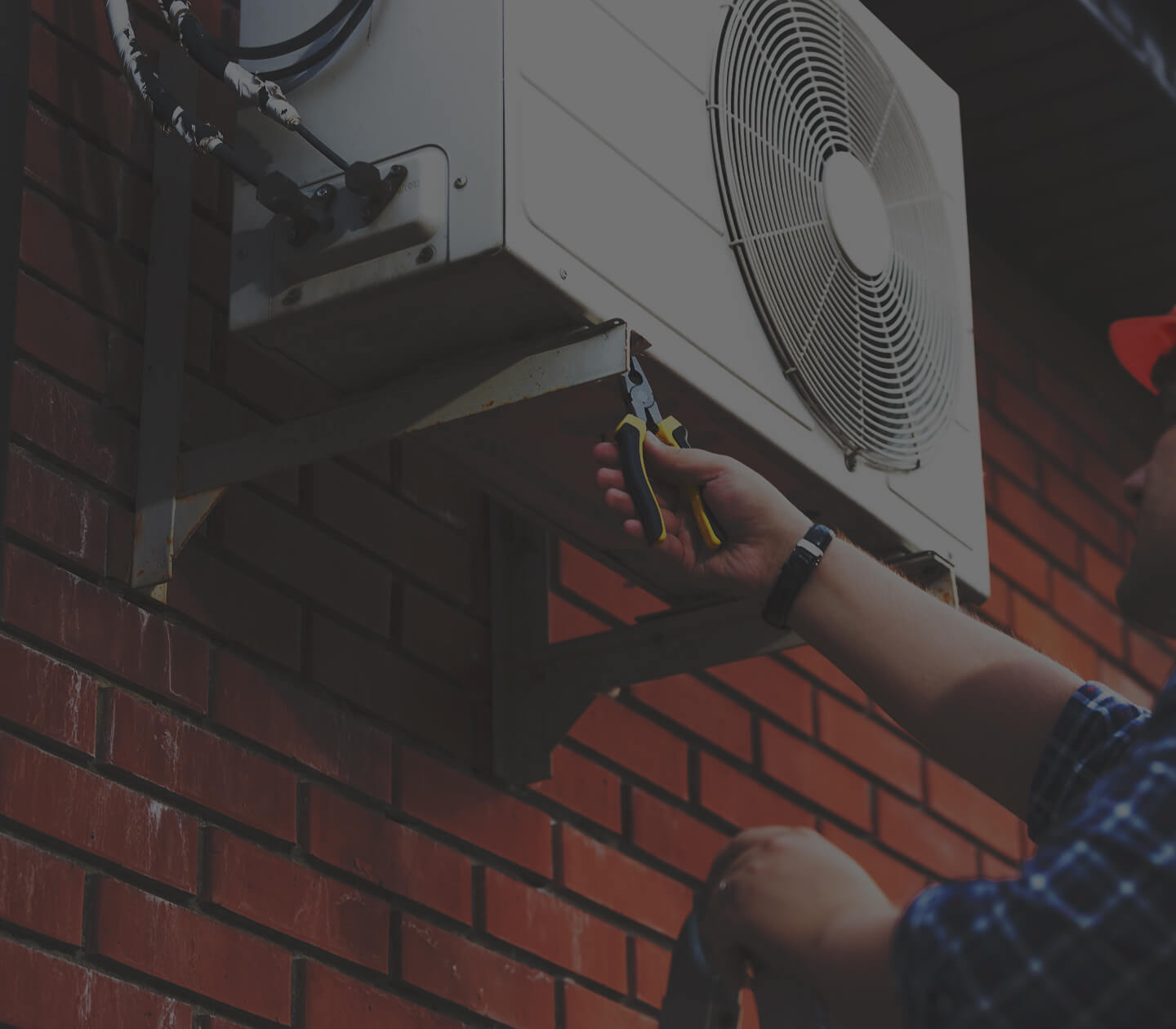
As winter approaches in Columbus, ensuring your furnace is in tip-top shape becomes crucial for comfort and safety. But how do you know when your furnace needs a little extra care? Below, we’ll explore key signs that indicate it’s time for a furnace tune-up, ensuring your home stays warm and cozy all season long.
1. Unusual Noises Coming From Your Furnace
If your furnace is making strange sounds like banging, rattling, or squeaking, it may be a sign that something is wrong. These noises could indicate loose parts or issues that require immediate attention. Pay close attention to the type of noise and when it occurs. For instance, if the banging intensifies as the furnace cycles, this could point to something more serious. Don’t dismiss these sounds as merely annoying; they can be signals from your furnace that need to be addressed right away.
Sometimes, these noises can come from ducts or vents rather than the furnace itself. If you’re experiencing a combination of strange sounds and dropped temperatures in your home, consider having a professional inspect both the furnace and the ductwork. Remember, early detection is key! Addressing these issues sooner rather than later will not only lead to a quieter home but may also avoid a potentially costly repair down the line.
2. Increased Energy Bills Without Explanation
A sudden spike in your energy bills? This could be an indication that your furnace is working harder than it should, possibly due to lack of maintenance or wear and tear. If you notice your bills climbing without a clear reason, it’s a good idea to investigate further. Sometimes it might be as simple as needing a new filter or it could mean your furnace is struggling due to age or inefficient operation.
Monitoring your energy usage can be a telling practice. Keep a log and compare month-to-month usage, especially during the high-demand winter months. If a furnace tune-up hasn’t been on your radar, unexpected increases in your bills might urge you to make it a priority. Fighting the chill doesn’t have to break the bank, and a simple tune-up can often lead to significant savings in energy costs over time.
3. Uneven Heating Throughout Your Home
If certain rooms in your house feel significantly colder or warmer than others, it might be time for a check-up. Uneven heating can stem from duct issues or a struggling furnace. It’s important to address this issue because not only is it uncomfortable, but it can also signify underlying problems with your heating system. Ductwork may be obstructed, or there may be leaks that require attention.
Moreover, uneven heating can sometimes lead to increased energy costs as your furnace works overtime to maintain an overall temperature. Regular maintenance includes checking the ductwork to ensure every room receives the warm air it needs. Having a qualified technician evaluate your system can help restore even heating, keeping your entire home cozy and comfortable during the biting Columbus winter nights.
4. Frequent Cycling On and Off
Your furnace should cycle on and off at regular intervals. If it seems to be turning on and off too frequently, this could be a sign of an issue that needs professional evaluation. This constant cycling, known as short cycling, not only stresses the furnace but can also lead to higher energy costs as the system constantly tries to maintain the desired temperature.
Causes for short cycling include a clogged filter, improper thermostat calibration, or potentially a more serious mechanical issue. If you find that your furnace is cycling more than just a few times an hour, it’s time to seek help. This not only ensures efficient operation but prolongs the life of your system in the long run—an essential consideration given the investment in heating for your home.
5. The Thermostat Seems Off
Does your thermostat display inaccurate temperatures? If your home doesn’t seem to match the thermostat settings, it may be time for a service check. An unreliable thermostat can lead to undue stress on your heating system, causing it to work harder than necessary.
Testing your thermostat can be as simple as comparing its reading to a handheld thermometer. If discrepancies arise, it may be inaccurate or malfunctioning. In some cases, it could even be a wiring issue that requires professional intervention. Regular calibration of your thermostat is essential for a properly functioning heating system, so consider scheduling a routine check during your next furnace service.
6. Presence of Strange Odors
If you detect a gas smell or burning scents, it’s crucial to turn off your furnace immediately and call a technician. Even subtle smells can indicate an underlying issue. Gas odors can signal a potential gas leak, which is dangerous and demands immediate action.
Additionally, musty or burning smells may indicate an issue with the furnace that requires servicing. Whether you notice something unexpected or just feel unease about a scent, trust your instincts. Addressing strange odors quickly can prevent more significant issues from developing, ensuring your home remains a safe and comfortable environment.
7. Yellow Pilot Light
A healthy pilot light should burn blue. If it appears yellow, it could signify incomplete combustion, which might necessitate a furnace service. The color of your pilot light is a simple but effective indicator of your furnace’s health—blue is good, yellow may mean trouble.
If you do notice a yellow flame, it’s advisable to contact a technician for a thorough inspection. This issue could stem from blocked air supply causing safety concerns. Ensuring the pilot light burns correctly should be part of your regular maintenance routine, as it can prevent poor efficiency and potential hazards in your home.
8. Excessive Dust and Allergies
If you’re noticing more dust in your home or increased allergy symptoms, your furnace might be in need of a tune-up to ensure proper filtration and airflow. A clogged air filter or dirty ducts can circulate dust and allergens throughout your home, exacerbating allergy symptoms.
Regularly replacing or cleaning filters is a straightforward yet vital part of furnace maintenance. If you’ve invested in a high-efficiency particulate air (HEPA) filter, ensure it’s functioning properly to maximize its benefits. Enhanced filtration not only improves your indoor air quality but also allows your furnace to run more efficiently, which is a win-win for you and your family.