

Keeping your home warm and comfortable during the colder months is essential, and proper heater maintenance is key to ensuring your heating system runs efficiently. In this guide, we’ll walk you through the important steps to maintain your heater, so you can enjoy a cozy home all winter long.
Understanding the Importance of Heater Maintenance
Heater maintenance is crucial for ensuring that your heating system operates efficiently. Regular checks can prevent costly repairs and help you avoid unexpected breakdowns during the coldest months. Let’s explore why maintenance matters.
Imagine it’s a chilly evening, and you settle in for a cozy night at home, only to find that your heater isn’t working. This is exactly why understanding heater maintenance is so important—it’s all about preventing those unexpected scenarios. By staying proactive, you’re not just preserving your comfort but also enhancing the lifespan of your equipment.
Additionally, many people may not realize that neglected heaters can become inefficient over time. An unmaintained system can lead to higher energy bills and less effective heating. Therefore, prioritizing your heater’s upkeep is an investment in both comfort and cost savings.
Monthly Maintenance Checklist
Staying on top of maintenance requires consistency. This section will outline a simple monthly checklist that covers important tasks, such as checking filters, inspecting vents, and testing thermostats.
To begin, checking the filters is one of the most essential tasks on your checklist. A dirty filter can restrict airflow, making your heater work harder than necessary. This not only affects efficiency but can also lead to premature wear and tear. Typically, a monthly filter check is ideal, especially during peak heating months.
Next, inspect the vents throughout your home. Ensure that they are free of dust and debris, as blocked vents can hinder the flow of warm air. You want every room to feel comfortable, and that starts with unobstructed air. If you find any blockages, simply clear them away and enjoy the warmth.
Finally, don’t forget to test your thermostat. Make sure it’s reading accurately and responding correctly to changes in temperature. A malfunctioning thermostat can lead to uncomfortable overheating or underheating, making this a simple yet critical monthly task.
Seasonal Maintenance Tasks for Optimal Performance
Beyond monthly tasks, seasonal maintenance is vital for peak heating performance. Learn about the critical seasonal tasks, including professional inspections and system tune-ups, that can enhance your heater’s efficiency.
As seasons change and temperatures drop, scheduling a professional inspection becomes imperative. These experts can spot potential issues before they escalate. During the inspection, they’ll check components like the heat exchanger and ignition system, ensuring your heater runs smoothly all season long.
Another essential task is to perform a system tune-up. This is where technicians will clean and calibrate your heating system. Over time, dust and grime can build up, affecting performance. A well-tuned system not only heats your home effectively but can also improve longevity and efficiency.
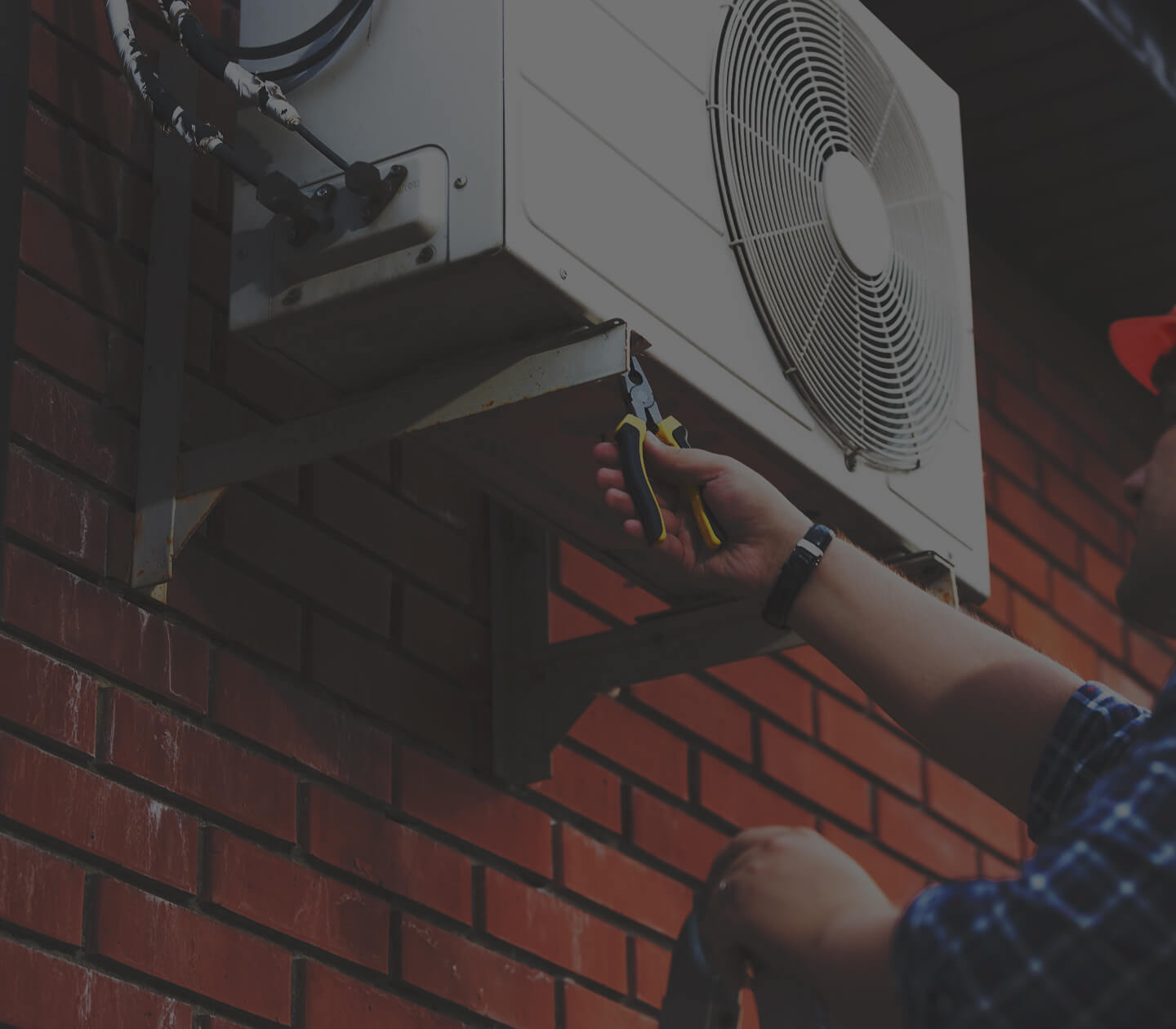
In addition, consider checking the outdoor unit if you have a heat pump. Ensure that it’s free of snow, ice, and debris, which can obstruct airflow. Clearing the area around your unit ensures optimal operation and keeps your system working effectively during harsh winter months.
Common Issues and Troubleshooting Tips
Even with regular maintenance, issues can arise. This section will help you identify common problems, such as strange noises or inconsistent heat, and provide troubleshooting tips to tackle these challenges.
One of the most common issues homeowners face is strange noises coming from the heater. If you hear banging, clanging, or squealing, it’s often an indicator that something isn’t right. These sounds could be attributed to loose parts, potential motor failure, or even dirty burners. Take note of when these noises occur and consider scheduling a professional evaluation.
Inconsistent heat is another frustrating problem. If you notice that some rooms are noticeably colder than others, it might be time to check your ductwork. Leaky ducts can drain your system’s efficiency and lead to uneven heat distribution. Sealing these leaks can significantly enhance comfort levels in your home.
Finally, regularly monitor your heater’s performance. If it takes longer than usual to heat your home, or if your energy bills spike unexpectedly, these can be signs that your heater needs attention. Building awareness around these issues empowers you to take proactive measures before minor problems develop into major ones.
When to Call a Professional
While DIY maintenance is important, knowing when to call a professional can make all the difference. Discover the signs that indicate it’s time to seek expert help to ensure your heater is in good shape.
Feeling unsure about whether to take on a task? If you encounter persistent issues that you can’t resolve, such as frequent breakdowns or strange smells, it’s best to consult with a professional. They have the experience and tools to diagnose complex problems quickly and efficiently.
Additionally, if your heater is over ten years old, consider scheduling regular check-ups with a technician. Older systems are more prone to malfunctions, and a professional can provide insights on whether repairs or outright replacement might be the better option.
Lastly, don’t hesitate to call for help if you notice anything unusual—like excessive cycling on and off. This behavior can indicate a serious issue that, if left unchecked, could lead to complete system failure. Your comfort and safety should always come first.
Energy Efficiency and Cost Savings
Proper maintenance not only keeps your home warm but also contributes to energy efficiency. We’ll explore how regular maintenance can lead to significant cost savings on your energy bills.
When your heater is well-maintained, it operates at peak efficiency, which directly affects your energy consumption. A system that is clean and functioning properly uses less energy to produce the same amount of heat as a neglected system. This can translate into lower energy bills, making maintenance a sound financial choice.
Furthermore, energy-efficient heaters often qualify for various rebates or incentives, depending on your local regulations. By maintaining your system, you not only save on bills but may also benefit from these programs, making it a win-win scenario.
Lastly, energy efficiency isn’t just about immediate savings; it also reduces your carbon footprint. Choosing to maintain your heater means contributing to a healthier environment. It’s a simple but significant way to play your part in sustainable living while keeping your home cozy.
Stay Warm and Comfortable with Careful Maintenance
Regular heater maintenance not only keeps your home warm but also extends the life of your heating system. By following the simple steps outlined in this guide, you’ll ensure a comfortable and efficient heating experience throughout the winter months. Remember, a little preventative care goes a long way in preserving your comfort and saving on energy costs.