

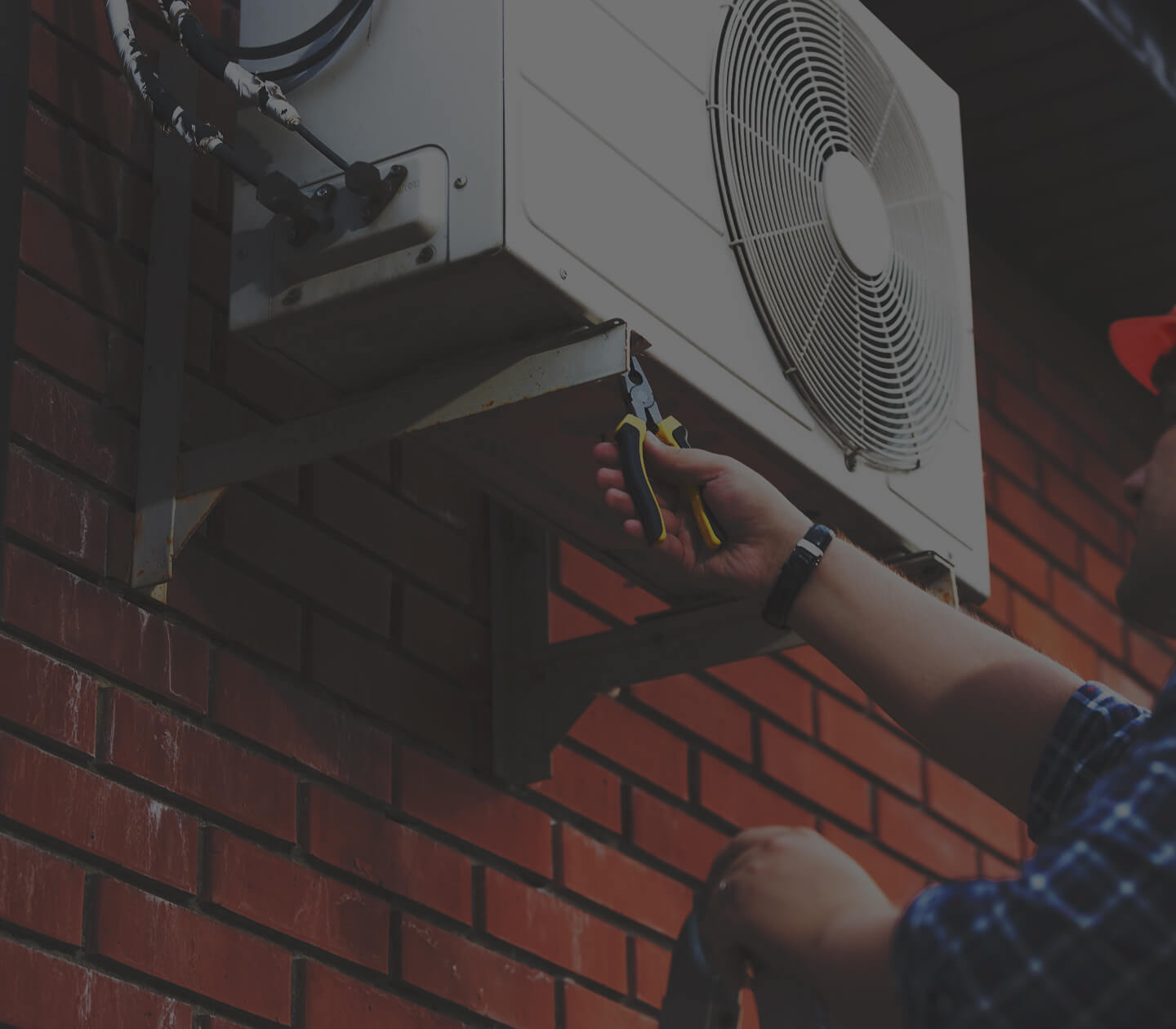
As the temperature drops in Columbus, ensuring your heating system is running smoothly becomes crucial for your comfort. There are several signs that indicate your heating system may require repairs. Understanding these signs can help you avoid larger issues down the road and keep your home cozy during the colder months. In this article, we’ll explore common indicators that it’s time to call a heating repair professional.
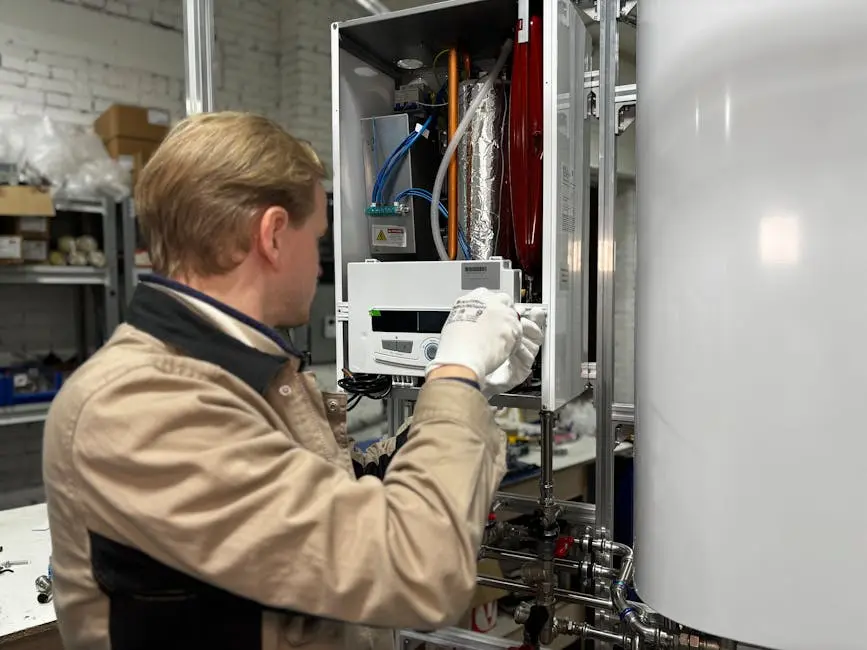
1. Unusual Noises from Your Heating System
If your heater is making strange sounds like popping, banging, or squealing, it’s a clear indication that something isn’t right. These noises often signal loose or damaged components that require attention. Ignoring them can eventually lead to costly repairs or even complete system failure.
Imagine settling down on a chilly evening when suddenly, your heater groans loudly. It can be quite alarming! In many cases, these noises suggest that you need a professional to diagnose the issue before it escalates. Listening closely to your heating system can provide insights; if it’s been unusually quiet, and then suddenly begins to rattle, it’s time to act.
2. Inconsistent Heating Throughout Your Home
When some rooms are warm and others are cold, it’s often due to issues with your heating system. This inconsistency can indicate problems with ductwork or even the heater itself. Not only is this uncomfortable, but it could also signify that your heating system is working harder to maintain an even temperature.
Consider the last time you felt the need to grab a blanket just to make it through dinner. If you experience cold spots in your home, it might be time for a professional evaluation. These uneven temperatures can lead to inefficiencies and could drive up your energy bill. Don’t let those cold corners of your home become a regular part of winter; addressing the problem early can save you money and discomfort.
3. Increased Energy Bills Without Increased Use
A sudden spike in your energy bills can signal that your heating system is working harder than it should be. This inefficiency often requires repair to bring your energy costs back down. It’s essential to track your energy usage and look for unusual patterns.
For instance, if you’ve been using fewer heating resources yet your bills are still rising, it could be time to take action. High energy bills not only strain your finances but could also indicate underlying mechanical issues. It’s much like an alert from your wallet; don’t ignore the signs! By addressing these concerns early, you might be able to prevent unexpected expenses in the future.
4. Frequent Cycling On and Off
If your heating system frequently turns on and off, it may indicate a problem with the thermostat or other components. This can lead to wear and tear on your system, making repairs necessary. Ideally, a heater should maintain a consistent temperature without the need to cycle repeatedly.
Consider how disruptive inconsistent heating can be, not just at home but also for your heating unit, which could wear out faster over time. Continuous cycling can overwork the system and potentially lead to complete breakdowns. Keeping an eye on this behavior can help you mitigate problems before they evolve into larger headaches.
5. Delayed Heating Response
When you adjust your thermostat, you should feel the change in temperature fairly quickly. A delayed response can point to issues that may need professional evaluation. If your system is slow to react, it might not be effectively communicating with the thermostat.
This delay can set the stage for discomfort in your home, especially during Columbus’s frigid winters. Being proactive about heater responsiveness can ensure you remain comfortable on those cold, blustery nights. A simple home inspection can lay the groundwork for timely repairs and peace of mind.
6. Unpleasant or Foul Odors
If you smell strange burning or musty odors when you turn on your heater, it’s important to investigate further. Odors can indicate mechanical issues or even mold, which requires immediate attention. It’s not just discomfort; some smells might signal dangerous conditions.
For example, a burning smell might suggest that dust has built up in the system, but if the odor persists, there could be wiring issues. No one wants to deal with unpleasant surprises, especially when they can lead to hazardous scenarios. If any unusual scents permeate your living space, don’t delay in getting them checked.
7. Excess Dust and Allergens in Your Home
If you notice more dust and allergens circulating in your home, it might be time for a heating system checkup. Inefficient filters or ducts could be responsible for this issue. Increased allergens can lead to health problems, making it essential to maintain good air quality.
Think about your daily comfort; increased dust not only makes environments less pleasant but can also exacerbate allergies or asthma. Taking proactive steps like regular inspections or filter changes can significantly improve your indoor air quality. The longer you ignore these symptoms, the more problematic they can become.
8. Thermostat Issues
A malfunctioning thermostat can lead to inconsistent temperatures and inefficient heating. If yours isn’t functioning properly, it may need repair or replacement. Investing time in understanding your thermostat can make a significant difference in overall heating efficiency.
Modern thermostats have various settings that can help regulate your home temperature effectively. If you’re unsure about the functionality, don’t hesitate to consult a professional. They can ensure your home’s heating mechanism is aligned with your preferences.
9. Visible Leaks or Moisture Around the Unit
Any visible leaks or moisture around your heating system is a red flag. This can indicate serious issues that require immediate repair to prevent further damage. Water and heating systems don’t mix well; any leak can lead to critical damage and costly repairs.
Addressing leaks quickly can save you from extensive damage to your property. Don’t wait for moisture to spread; if you notice water pooling around your heater, make the call for a technician sooner rather than later. Tackling these issues early on can save you from headache in the long run!
10. Old Age of the Heating System
If your heating system is over fifteen years old, it’s wise to monitor its performance closely. Older systems may require repairs more frequently and could be nearing the end of their lifespan. While some systems can last longer with proper maintenance, it’s always best to be prepared.
Aging systems may also be less efficient, which can have a direct impact on your energy bills. Planning for a replacement can be beneficial before emergencies arise, ensuring you maintain comfort during those colder months. And remember, newer heating options often provide better efficiency, ultimately saving you money in the long term.