

Maintaining the right level of humidity in your home is crucial for comfort, health, and the preservation of your living space. Too much humidity can lead to mold and mildew, while too little can dry out your skin and damage your furniture. In this blog, we’ll explore effective humidity control strategies that will help create a comfortable and healthy home environment.
Understanding Humidity and Its Effects
Humidity refers to the amount of moisture in the air, and it plays a vital role in our daily lives. High humidity can cause discomfort, while low humidity can lead to health issues and damage. In this section, we will delve into why it’s essential to understand humidity levels and their impact on your home and well-being.
When humidity levels rise above comfort levels (usually above 60%), it can create a sticky and unpleasant atmosphere. Not only does this lead to discomfort, but it can also foster the growth of mold and mildew, which can be harmful to both your health and your home. Conversely, low humidity can contribute to a host of issues such as dry skin, respiratory problems, and damage to your wooden furniture.
Understanding humidity and its effects allows you to make informed decisions. With the right tools and methods, you can maintain an ideal balance that promotes comfort and well-being, ensuring that your home remains a safe and pleasant sanctuary.
Signs of High and Low Humidity
Knowing the signs of high and low humidity is key to effective control. This section highlights the telltale signs to watch for, from condensation on windows to dry skin, helping you identify when action is needed.
High humidity can manifest in various ways. You might notice fogged windows, a musty smell in certain areas of your home, or an increase in dust mites and mold growth. These signs indicate that the air in your home is saturated with moisture, which can create not just discomfort but also health risks.
On the flip side, low humidity is often indicated by dry skin, throat irritation, and increased static electricity. Your furniture may start to crack, and you might even notice that your indoor plants become droopy or their leaves start to brow. Recognizing these indicators is essential for maintaining your home’s ambiance and preventing potential damage.
Tools and Devices for Humidity Control
There are various tools available to help you manage humidity effectively. In this part, we will discuss dehumidifiers, humidifiers, and hygrometers, explaining how each one works and when you might need them.
A dehumidifier is your best friend when it comes to battling excessive moisture in the air. By drawing in damp air and extracting moisture, it can help create a more pleasant living environment. Look for models with adjustable settings to fine-tune your humidity levels based on your specific needs.
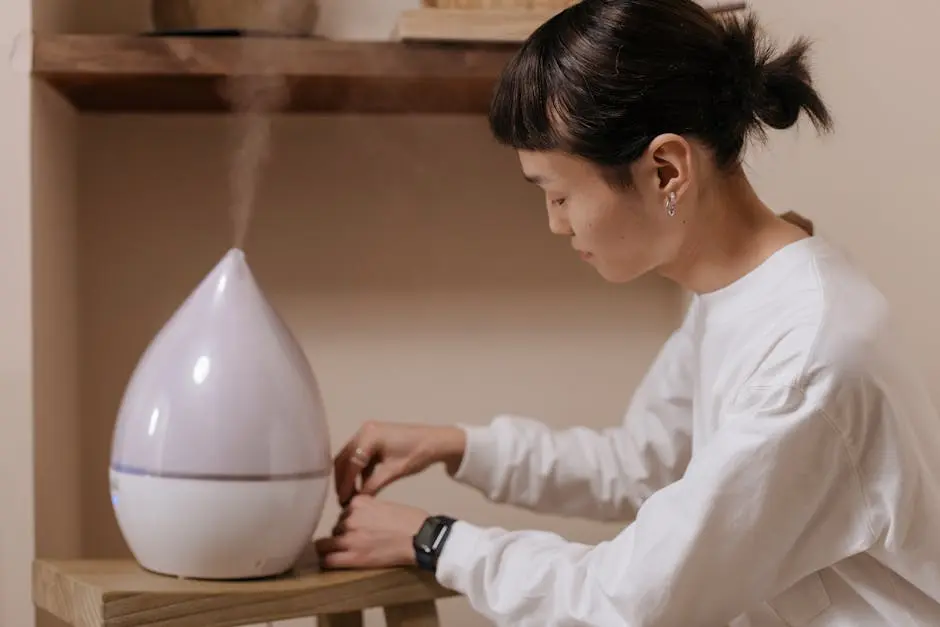
In contrast, a humidifier works to add moisture back into the air, which can be particularly beneficial in the winter months when heating systems tend to dry out indoor air. Understanding when and how to use these devices can be game-changing for maintaining the right humidity balance.
Don’t forget about hygrometers! These handy tools measure the exact humidity level in your home, allowing you to make adjustments as needed. Regular monitoring can help you stay ahead of humidity-related problems before they escalate.
Natural Methods to Regulate Humidity
Sometimes, the best solutions come from nature. This section explores natural methods to control humidity, including proper ventilation, using indoor plants, and making design choices that promote airflow.
Good ventilation is essential for maintaining optimal humidity levels. Opening windows during pleasant weather lets in fresh air and helps to disperse damp air trapped inside. Ceiling fans can also aid in circulation, giving your home a much-needed airflow boost. Simply ensuring there are no blockages in vents and air ducts can make a significant difference.
Incorporating certain indoor plants can naturally regulate humidity. Plants such as peace lilies and spider plants not only beautify your space but also release moisture into the air through a process called transpiration. This can help you maintain a balanced level of humidity while purifying your indoor air.
The Role of HVAC Systems in Humidity Control
Your HVAC system plays a crucial role in regulating your home’s humidity. This section will cover how heating, ventilation, and air conditioning systems can be used to manage humidity levels effectively.
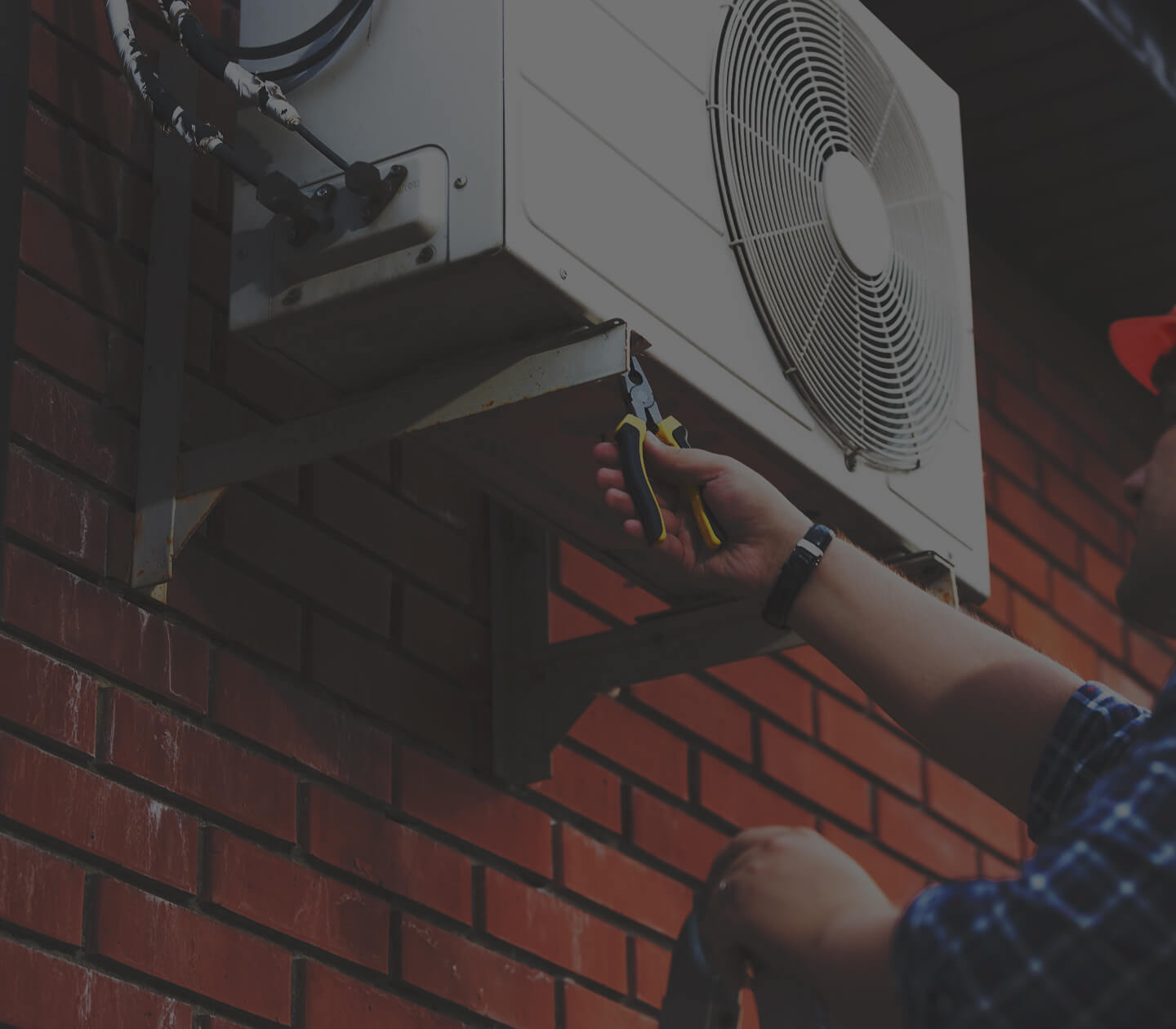
A well-maintained HVAC system not only cools or heats your home but also helps in maintaining its humidity levels. During summer months, your air conditioner’s cooling process naturally dehumidifies the air. When choosing an HVAC system, be sure to select a model that is appropriately sized for your home to maximize its effectiveness.
Regular maintenance is key! Changing filters and having your system checked at least once a year can ensure that it functions optimally. Neglecting your HVAC system can lead to inefficient operation, which in turn can cause uncomfortable humidity levels in your home.
Seasonal Humidity Challenges and Solutions
Different seasons bring different humidity challenges. In this part, we will discuss what to expect in each season and offer practical solutions to maintain comfortable humidity levels year-round.
During the sweltering summer months, high humidity can be unbearable. Utilizing dehumidifiers and ensuring your air conditioning system is functioning properly can keep your home comfortable. Additionally, consider keeping windows closed during the hottest parts of the day to prevent moist air from seeping inside.
In contrast, winter tends to bring low humidity, which can lead us to experience dry skin and respiratory discomfort. This is the perfect time to invest in a humidifier to combat the dryness. It’s also wise to keep indoor plants, which can help maintain moisture levels while bringing a refreshing touch of nature into your home.
Final Thoughts on Humidity Control
By implementing various humidity control techniques, you can enjoy a more comfortable and healthier living space. Whether it’s through using dehumidifiers, ventilating your home properly, or taking advantage of natural climate control, these tips will ensure that you maintain the ideal humidity level in your home.