

Humidity control is crucial for maintaining a comfortable and healthy environment in Columbus. From the unique climate to the various options available, navigating humidity solutions can be overwhelming. This guide will help you understand the different humidity control solutions you can utilize to create a better indoor atmosphere.
Understand Your Humidity Levels
Before you select a solution, it’s important to know your current humidity levels. Use a hygrometer to get accurate readings of your indoor environment.
Understanding humidity is key to a comfortable home. High humidity can lead to mold growth and discomfort, while too little can cause dry skin and respiratory issues. Gather your data before making decisions.
Keep track of your humidity levels in different rooms. Kitchens and bathrooms often have higher humidity due to cooking and bathing. Recognizing these patterns will aid in targeting your solutions effectively.
Explore Dehumidifiers
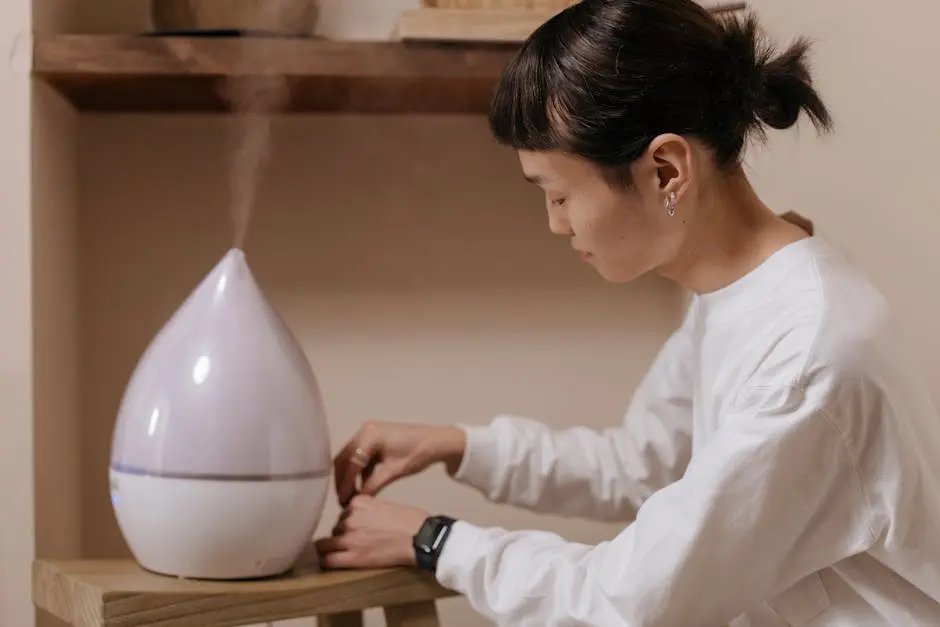
Dehumidifiers are a popular choice for humidity control. Discover the types of dehumidifiers available and which might work best for your home.
There are several types of dehumidifiers: portable, whole-home, and desiccant. Depending on your needs and space, one type may be more suitable than another. Portable units are great for targeted areas, while whole-home units integrate with your HVAC system.
When purchasing a dehumidifier, consider its capacity and energy efficiency. A unit with a higher capacity can handle larger spaces and more humidity. Look for Energy Star rated models to save on energy bills.
Be aware that proper placement of the dehumidifier is essential. For optimal performance, it should be located in a central area with good airflow. This ensures the device can effectively reduce humidity throughout your space.
Consider HVAC Systems
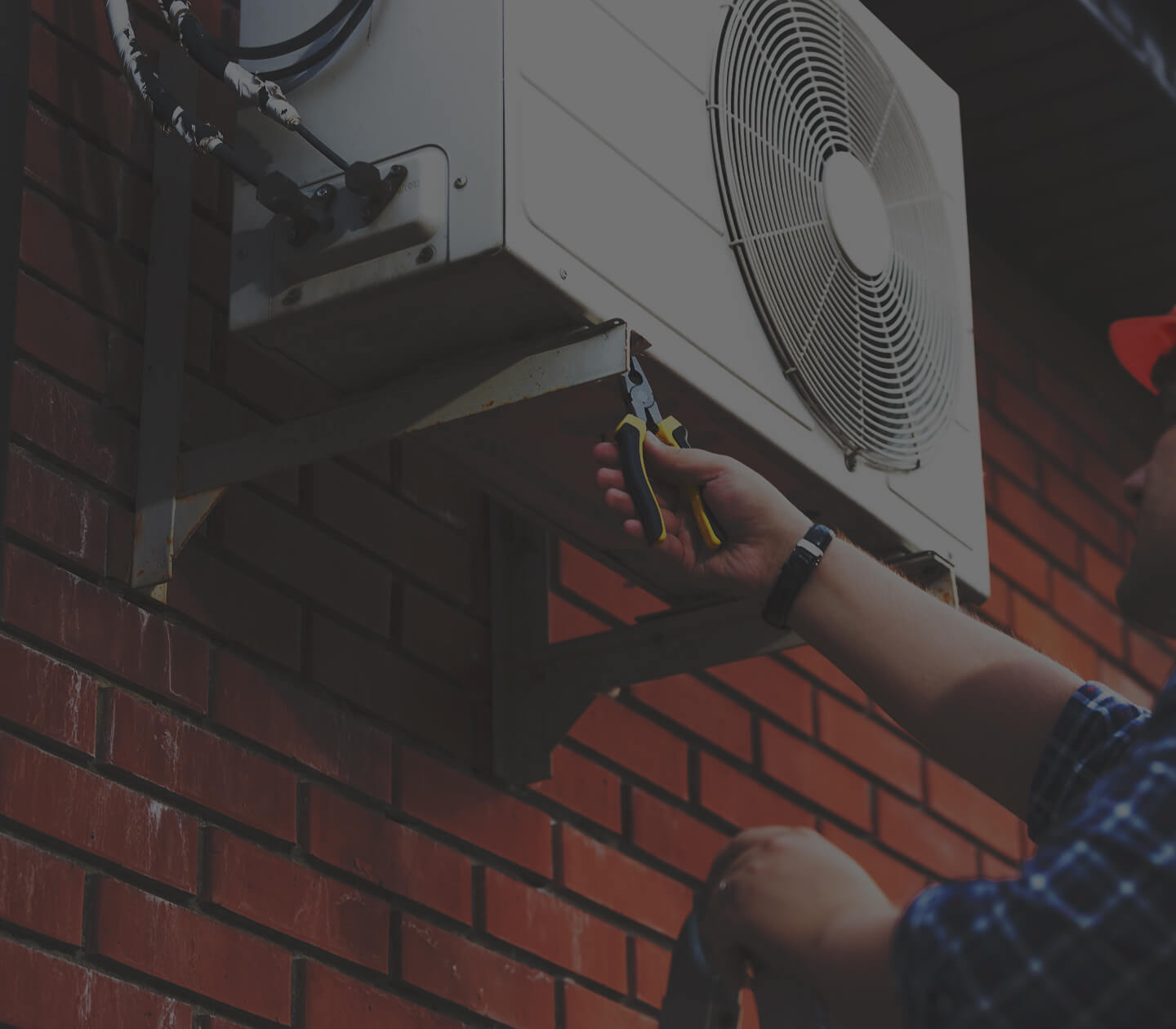
An efficient HVAC system can significantly help in regulating humidity levels. Learn about the features that enhance humidity control in your air conditioning and heating systems.
Modern HVAC systems often come with built-in humidistats. These devices help maintain ideal humidity levels automatically. If yours doesn’t include this feature, consider upgrading to one that does for enhanced control.
Proper maintenance of your HVAC system is vital. Regularly changing filters and scheduling professional cleanings can improve the system’s efficiency, which in turn helps manage humidity levels effectively.
Zoning systems can also be integrated to provide targeted control in different areas of your home. This is particularly useful in large houses where specific rooms may require more than just standard humidity control.
Utilize Natural Ventilation
Sometimes, the simplest solutions are the most effective. Open your windows or use exhaust fans to promote air circulation and reduce humidity naturally.
Natural ventilation works best during milder seasons when the outside air is less humid. During such times, open windows to allow fresh air in while letting the moist air escape.
Additionally, cross-ventilation is a great method to combat humidity. Open windows or vents on opposite sides of your home to create a breeze that helps to carry humidity out of your living spaces.
Remember that during high humidity days, it’s best to keep windows closed. Instead, focus on exhaust fans in kitchens and bathrooms to pull out excess moisture effectively.
Incorporate Moisture Absorbing Materials
Consider using moisture absorbers like silica gel or activated charcoal in problem areas to help keep humidity levels in check.
These materials work by attracting and trapping moisture from the air. Place them in closets, basements, and other enclosed spaces where humidity tends to accumulate.
Additionally, explore products specifically designed to absorb moisture, like calcium chloride. They are quite effective and can be found in many home improvement stores.
Regularly check and replace or recharge these moisture absorbers to maintain their effectiveness. Staying ahead of humidity in this way can prevent larger issues down the line.
Maintain Your Humidity Control Solutions
Regular maintenance of your humidity control systems is essential for optimal performance. Learn how to care for your dehumidifiers and HVAC systems.
For dehumidifiers, remember to clean the filters and empty the water basin if not self-draining. This simple routine can greatly enhance your unit’s efficiency.
Your HVAC system should also be inspected and serviced regularly by professionals. They will ensure that all parts function optimally and adjust settings as needed to keep humidity at desired levels.
Moreover, keep an eye on moisture levels throughout the seasons. Changes in weather can affect indoor humidity, so ongoing assessment can enable you to adjust your strategies accordingly.
In summary, maintaining your humidity control solutions isn’t just about keeping things running; it’s about ensuring a comfortable, healthy environment in your home.
Wrapping Up Your Humidity Control Quest
By understanding and utilizing these humidity control solutions, you can improve your indoor air quality and comfort. Whether through dehumidifiers, HVAC systems, or natural ventilation, each method has its own benefits suited to different needs. Don’t let humidity issues overwhelm you; take action with these effective solutions.