
Your Comfort Doesn’t Take the Weekend Off—Neither Do We! Saturday Appointments, Same Price! Book Now

614-389-3283

Book Appointment

Why Is Regular HVAC Repair Important for My Home in Westerville?

Maintaining your HVAC system is crucial for a comfortable home environment. In Westerville, where winters can get chilly and summers can be hot, regular HVAC repair ensures your system runs efficiently. Let’s explore why consistent care is essential.
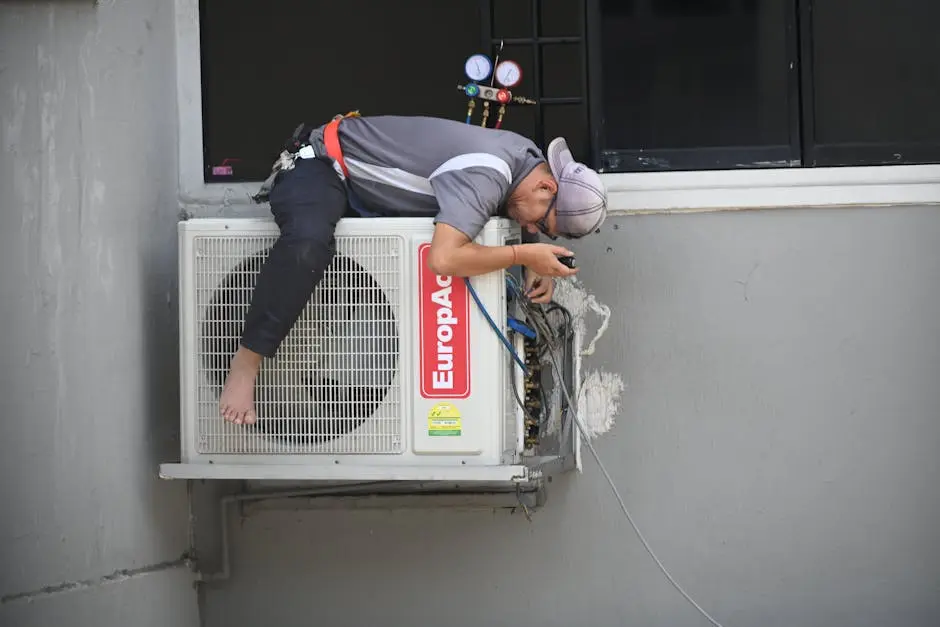
A technician skillfully repairing an outdoor air conditioning unit mounted on a building wall.

Understanding Your HVAC System

It’s essential to know how your HVAC system works to appreciate the importance of repairs. This knowledge helps you understand how neglect can lead to larger issues.

Your HVAC system is a complex network of components, including the furnace, air conditioner, ductwork, and thermostat. Each part plays a vital role in keeping your home comfortable, and if one falls out of sync, it can affect the entire system.

By regularly monitoring your HVAC’s performance, you can catch small problems early. This proactive approach can save you time, money, and unnecessary stress!

Understanding how your system operates also means recognizing its limitations. Like any machine, factors like age and wear can decrease efficiency, leading to repairs being more essential than ever. Knowledge is power when it comes to home maintenance.

Signs Your HVAC System Needs Repair

Learn the warning signs that indicate your HVAC system may need attention. This can include unusual noises, poor air quality, or inconsistent temperature control.

For instance, if your system starts making strange noises akin to rattling or grinding, it may indicate loose parts or failing components. Ignoring these sounds can lead to costly breakdowns.

Another common sign is fluctuating temperatures across different rooms. If one area feels too hot or too cold, it could mean your system is struggling to distribute air evenly. This not only affects comfort but can also lead to larger issues.

Lastly, be vigilant about poor air quality. If you notice an increase in dust around your home or stale odors, this could signify an HVAC issue affecting air circulation. These signs should never be taken lightly, as they often precede more significant problems.

Benefits of Regular HVAC Maintenance

Discover the advantages of routine HVAC maintenance, such as improved efficiency, lower energy bills, and enhanced lifespan of your equipment.

Regular HVAC maintenance ensures that your system operates at peak efficiency. During maintenance visits, technicians can identify and fix minor issues before they escalate, thereby reducing the chances of a breakdown when you need it most.

Another significant benefit is the cost savings. A well-maintained HVAC system runs more efficiently, which can lead to substantial reductions in your energy bills. Over time, these savings can offset the costs of regular servicing.

Furthermore, scheduling routine maintenance can extend the lifespan of your HVAC system. By taking care of your equipment, you allow it to serve you well for many years, offering peace of mind and comfort in your home.

How Often Should You Schedule Repairs?

Understand the recommended frequency for HVAC maintenance in Westerville’s climate, helping you plan regular check-ups effectively.

In general, it’s advisable to schedule HVAC maintenance at least twice a year—once in the spring and once in the fall. This timing ensures your system is prepared for the heating of winter and the cooling of summer.

Additional check-ups should be considered if you notice any warning signs I mentioned earlier. Catching problems early can lead to less expensive repairs and continued comfort.

Choosing the Right HVAC Technician

Find out what to look for in an HVAC technician to ensure you receive quality service. This includes checking certifications, reviews, and experience.

Start by looking for licensed and insured technicians. This not only guarantees they’ve undergone proper training but also protects you in case of unexpected accidents during service.

Additionally, reading customer reviews can provide insight into a technician’s reliability and quality of work. A good technician should not only have technical skills but also excellent customer service.

Finally, don’t hesitate to ask about their experience with your specific HVAC system. Familiarity with different brands and models can make a significant difference in the quality and efficiency of the repair work.

The Importance of Proactive HVAC Maintenance

In conclusion, regular HVAC repair is not just an expense; it’s an investment in your home’s comfort, efficiency, and longevity. By prioritizing maintenance, you can enjoy a cozy home year-round while avoiding costly repairs.

7 Tips for Perfect Humidity Control in Your Columbus Home

Managing humidity levels in your home is crucial for both comfort and health. In Columbus, where humidity can fluctuate greatly throughout the year, it’s essential to know how to maintain the right balance. Here, we will explore practical tips to achieve perfect humidity control in your home.
A woman adjusts a humidifier indoors, promoting relaxation and air quality.

1. Understand Humidity Basics

Grasping the fundamentals of humidity and its effects on your home can set the stage for effective control. Knowing the ideal humidity range can help you maintain a comfortable environment.

Humidity is defined as the concentration of water vapor present in the air. Too much can lead to discomfort, mold growth, and even structural damage. Conversely, low humidity can cause dry skin and respiratory issues. Therefore, striking the right balance is crucial for a healthy living space.

In a climate like Columbus, the humidity levels can swing from one extreme to another throughout the year. Understanding seasonal fluctuations and how they impact indoor air quality allows for better proactive measures. Keeping your home’s humidity between 30-50% is generally considered optimum.

2. Utilize Humidifiers and Dehumidifiers

Choosing the right appliances like humidifiers or dehumidifiers can significantly ease your humidity management efforts. Learn when to use each for optimal results.

Humidifiers add moisture to the air, making them an excellent solution during winter months or in especially dry spaces. They can alleviate symptoms caused by dry indoor air, including dry throat or itchy skin. On the other hand, dehumidifiers are indispensable during humid summer days in Columbus. They absorb excess moisture, helping to prevent mold growth and keeping indoor air feeling crisp.

It’s essential to choose the right size of these devices based on your room size. A small humidifier in a large living room won’t do much good, just as an oversized dehumidifier can make the air overly dry. Look for guidance on capacity to ensure you’re adequately equipped for effective humidity control.

3. Ventilation is Key

Proper airflow can help control the moisture levels in your home. Explore simple ways to enhance ventilation for better humidity management.

Installing exhaust fans in bathrooms and kitchens can significantly reduce humidity. When taking a shower or boiling water, moisture quickly accumulates. By venting this outside, you maintain a drier, more comfortable atmosphere. Additionally, opening windows when outdoor humidity is low allows fresh air to circulate, further promoting a healthy environment.

Ceiling fans also contribute to circulation, ensuring that air moves, thus preventing stagnant, humid air pockets. In winter, reversing their direction can help you redistribute warm air that tends to rise, which can assist in lowering humidity levels as well.

4. Seal Windows and Doors

Preventing outdoor humidity from entering your home requires strong seals on windows and doors. Find out how to check and improve these seals effectively.

Check for gaps or drafts around windows and doors, as they can allow humid air to seep into your living spaces. A simple application of weatherstripping or expandable foam sealant can make all the difference. In areas with older windows, consider using plastic wrap during the peak of humidity season to create an additional barrier.

Not only does proper sealing keep humidity at bay, but it also improves energy efficiency. Your heating and cooling systems won’t work as hard trying to regulate the indoor climate, which can lead to lower energy bills.

5. Monitor Indoor Activities

Certain activities like cooking and showering can increase indoor humidity. Understanding these contributions can help you manage levels more effectively.

Cooking, for example, especially when boiling water or steeping, can release a significant amount of moisture into the air. Using lids on pots can minimize this. Similarly, after a shower, make it a habit to run the exhaust fan to vent out the humidity that builds up.

It’s also wise to limit the number of indoor plants that require high humidity, as they can contribute to moisture levels. Opt for plants that thrive outdoors or are better suited for low humidity environments.

6. Choose the Right Plants

Some indoor plants can help control humidity while beautifying your space. Learn about which plants work best for maintaining balance in your home.

For instance, the peace lily or spider plant can absorb excess moisture from the air. Conversely, plants that require a lot of water can increase humidity levels; hence, choosing wisely is paramount. Research different varieties to find those that align with your home’s humidity needs.

Incorporating plants not only aids in humidity control but can also enhance your mental well-being and purify the air. Just remember to strike the right balance — too many moisture-loving plants could backfire on your humidity goals.

7. Regularly Check Humidity Levels

Keeping an eye on humidity levels is crucial for ongoing control. Discover handy tools and methods to regularly monitor and adjust your home’s humidity.

Investing in a hygrometer can be a game-changer. This device measures indoor humidity levels and can alert you when it strays from the ideal range. It’s a small investment that pays off with comfort and helps prevent potential damage to your home.

Moreover, make it a habit to reassess your setup every few months or with the changing seasons. What works during Columbus’s extreme winters might not be as effective in the humid summers. Regular checks ensure you are always one step ahead in maintaining the perfect humidity levels.

12 Common AC Repair Mistakes to Avoid

Air conditioning units are essential for keeping our homes cool and comfortable, especially during the scorching summer months. However, when problems arise, many homeowners inadvertently make mistakes that can lead to further damage and costly repairs. In this article, we’ll explore some common missteps to avoid in your AC repair journey.
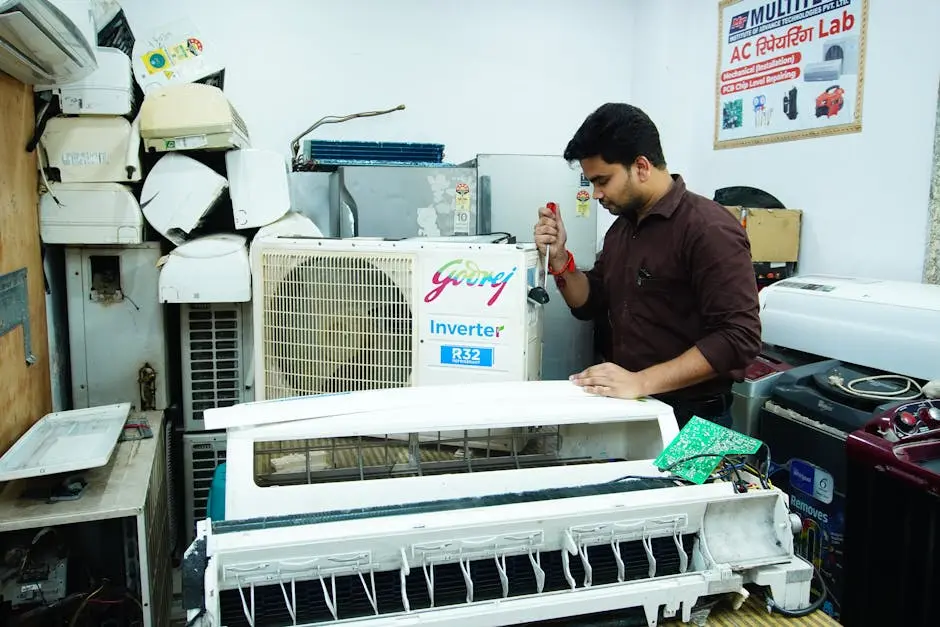
Technician repairing an air conditioner unit in New Delhi workshop.

1. Ignoring Regular Maintenance

Skipping regular maintenance can lead to escalating issues. Routine checks are crucial for keeping your AC unit in top shape. For instance, checking the coolant levels or ensuring that the coils are clean can make a significant difference in performance. Unfortunately, many homeowners believe that once their unit is installed, it requires no further attention.

In reality, though, neglecting regular services can result in inefficient cooling and even complete breakdowns. Scheduling annual check-ups with a professional can save both time and money in the long run. It’s a small investment compared to the costs of unexpected repairs!

2. Neglecting to Change Air Filters

Dirty air filters can restrict airflow, causing your AC to work harder than necessary. Remember to change them regularly. This simple action not only extends the life of your AC unit but also significantly improves air quality in your home, leading to a healthier living environment.

Many people may not understand just how vital air filters are; clogged filters make your system less efficient, increasing energy bills. The general recommendation is to check your filters monthly and change them at least every three months.

3. Failing to Diagnose the Issue Correctly

Jumping to conclusions about a problem can lead to unnecessary repairs. Take your time to diagnose and understand the real issue. A common mistake is assuming that a strange noise means the compressor needs replacement, while it could simply be an unsecured screw.

Investing a bit of time in proper diagnostics can save you from spending on fixes that don’t solve the actual problem. Using basic troubleshooting tips can give you a clearer idea of what’s wrong before calling a technician.

4. Using Incorrect Tools

Using the wrong tools for AC repairs can cause damage. Always ensure you have the correct equipment to avoid mishaps. While you might think that a hammer can fix something like a loose panel, it’s often just a recipe for disaster.

Investing in quality tools can help prevent unnecessary damage and can lead to more effective repairs. Sometimes, borrowing or renting tools specifically designed for AC repairs can make all the difference.

5. Ignoring Safety Precautions

Many homeowners overlook safety measures. Always turn off the power and take precautions to protect yourself during repairs. Failing to do so can lead to electrical shocks or other accidents, which can be dangerous and potentially life-threatening.

Even if a repair appears simple, always keep safety as your top priority. Remembering to wear protective gear like gloves and goggles can mitigate the risk of injury and ensure that you carry out the repair safely.

6. Underestimating DIY Challenges

While DIY repairs can save money, underestimate the complexity at your own risk. Some issues are best left to the professionals. Many homeowners often think they can handle repairs that require technical knowledge or specialized skills, only to find themselves in over their heads.

If you’re not confident about a specific task, it’s perfectly acceptable to call in a professional. Not only can this save time and hassle, but it can also ensure the repair is done correctly the first time. Ultimately, peace of mind can be worth the extra cost.

7. Overlooking Signs of a Bigger Problem

Ignoring strange noises or foul smells can lead to more significant challenges. Pay attention to your unit’s signals. If your air conditioner is emitting a strange odor or making peculiar sounds, it’s your system’s way of telling you that something isn’t right.

Addressing these warning signs immediately can prevent small issues from escalating into major repairs. So, what should you do? Keep a keen ear and nose out for any changes and don’t hesitate to call for help when needed.

8. Overcharging the System

Adding too much refrigerant can cause more harm than good. Be careful with how much you charge your system. While it might seem harmless to pour in extra refrigerant to boost cooling, this practice can lead to system inefficiency and potential compressor failure.

If you’re unsure about how much refrigerant your AC system requires, consulting the manufacturer’s guidelines or seeking a professional’s advice is the best course of action. After all, prevention is better than costly repairs later!

9. Forgetting to Seal Ducts Properly

Improperly sealed ducts can lead to energy loss and inefficiency. Always ensure your ducts are sealed securely. Duct leaks can divert air away from intended areas, necessitating your unit to work much harder—and often leading to higher energy bills.

Taking the time to inspect your ductwork and addressing any leaks can dramatically improve your system’s efficiency. It’s a relatively straightforward fix that pays off in the long run!

10. Relying on Quick Fixes

Quick fixes may provide temporary relief but usually lead to bigger problems. Aim for sustainable solutions instead. It’s tempting to patch things up when a problem arises, but this often leads to recurring issues that compound over time.

Investing in long-term solutions rather than temporary fixes ensures your comfort and saves you money. Regular comprehensive check-ups can help catch problems before they require expensive repairs.

11. Neglecting Local Regulations

Every area has specific regulations regarding AC repair. Ensure you’re compliant to avoid fines or complications. Understanding local laws can be just as important as knowing how to fix your AC.

Consulting local codes before starting repairs or renovations can save you headaches down the line. Don’t miss out on valuable information that can help make your repair process smoother.

12. Not Keeping Documentation

Failing to keep repair records can complicate future problems. Always document your repairs for reference. Having a record not only helps in diagnosing future issues but also assists professionals if you need to call in for help.

Keeping valve records, service receipts, or any modifications made can lead to informed decision-making in the future. It’s worth the effort, especially when quick recall of information can lead to efficient troubleshooting.

Choosing the Right Gas Furnace for Your Hilliard Home

Selecting the right gas furnace for your home is crucial to ensuring comfort during the colder months. With so many options available, it can be overwhelming to determine which model best suits your needs. In this guide, we’ll break down the key factors to consider when choosing a gas furnace for your home in Hilliard, helping you to make an informed decision.
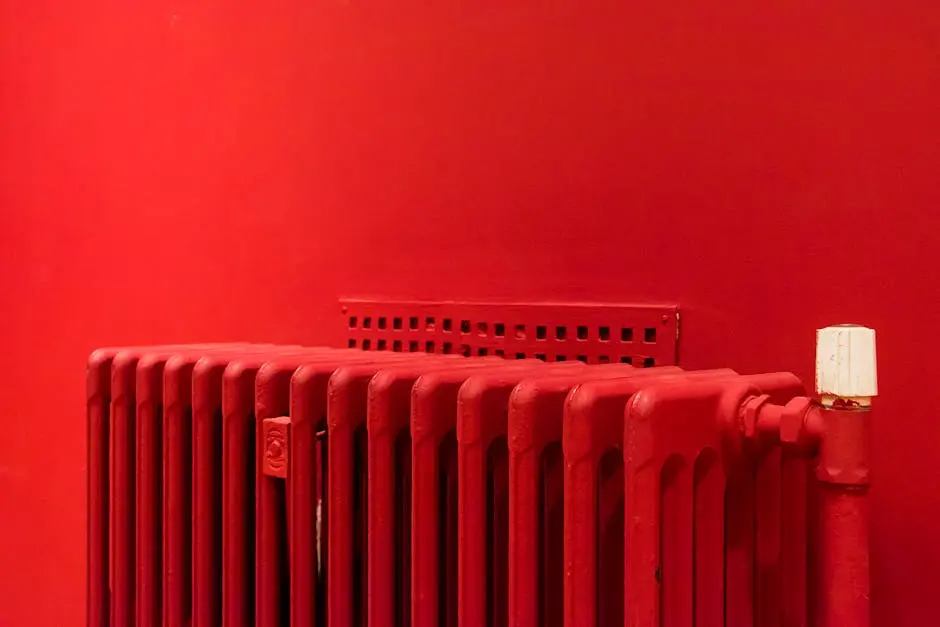
A vibrant red radiator against a matching wall captures minimalist and modern interior design.

Understanding Your Home’s Heating Requirements

Before diving into specific models, it’s essential to assess your home’s heating requirements. This involves considering factors such as the size of your home, insulation quality, and local climate conditions. A proper assessment ensures you choose a furnace that can efficiently heat your space.

Start by calculating the square footage of your home. Generally, the larger the space, the more BTUs (British Thermal Units) your gas furnace will need to produce. However, don’t forget about rooms that might have extra challenges, like large windows or drafty spots, which can influence your heating calculations.

In addition to home size, evaluate your insulation quality. Good insulation can significantly decrease heating demand. Check areas like the attic, walls, and crawl spaces to ensure they are well-insulated. This consideration can not only help in selecting the right furnace but also enhance its efficiency when installed.

Types of Gas Furnaces Available

Gas furnaces come in various types, including single-stage, two-stage, and modulating furnaces. Understanding the differences between these types will help you decide what level of comfort and efficiency you desire for your home.

A single-stage furnace operates at full capacity, which means it heats your home quickly but can lead to temperature fluctuations. On the other hand, a two-stage furnace provides more consistent heating by switching between low and high settings based on demand. This not only enhances comfort but also improves energy efficiency.

Modulating gas furnaces take this a step further by automatically adjusting their output for optimal temperature control. With these options, you can enjoy a warmer home without sacrificing efficiency. Knowing the distinctions between these types helps you align your choice with your comfort preferences.

Efficiency Ratings and What They Mean

Furnaces are rated by their Annual Fuel Utilization Efficiency (AFUE). This rating indicates how efficiently the furnace converts fuel into heat. Higher AFUE ratings mean better energy efficiency, which can lead to cost savings on your energy bills over time.

To understand AFUE ratings, think of it as a measure of how much heat from the gas is actually used to warm your home versus how much is wasted. For instance, a furnace with an AFUE of 90% uses 90% of its fuel for heating, making it a more favorable choice for homeowners looking to stretch their energy dollars.

Aside from AFUE ratings, consider the long-term impact of efficiency on your home’s value and your comfort level. A high-efficiency gas furnace may come with a higher upfront cost, but the savings on utility bills can add up, offering significant returns over time.

Brand Reliability and Customer Reviews

Choosing a reliable brand can make a significant difference in performance and longevity. Research different brands, read customer reviews, and look for models that have strong warranties. This research helps ensure you’re making a wise investment.

Look for brands that are well-known in the heating industry. Often, trusted brands will have established reputations based on customer experience and product reliability. Reading reviews from other homeowners can provide valuable insights into what to expect from their products.

Pay attention to warranty offerings. A robust warranty can provide peace of mind and protection for your investment. Brands that stand behind their products are often more reliable. Keep these aspects in mind to guide you during your selection process.

Professional Installation vs. DIY Options

While some homeowners may consider a DIY installation, professional installation is often recommended for gas furnaces. Proper installation ensures safety, efficiency, and optimal performance. Understanding the pros and cons of both options can help you make the best choice for your home.

DIY installations may save you money initially, but they can lead to potential safety risks if not done correctly. Gas furnaces involve complex systems that, if improperly installed, can lead to gas leaks, fire hazards, and inefficient operation. It’s crucial to weigh these risks before making a decision.

On the other hand, professional installers have the training and experience to ensure your furnace runs smoothly. They can also identify any issues that may arise during installation that a homeowner might miss. This professional touch not only boosts safety but can also enhance the longevity of your furnace.

Maintaining Your Gas Furnace for Longevity

Once you’ve chosen and installed your gas furnace, regular maintenance is key to ensuring its longevity. Simple practices such as changing filters, scheduling annual check-ups, and keeping vents clear can help maintain efficiency and prolong the life of your furnace.

Filters should be checked monthly and replaced or cleaned as needed. Clogged filters can obstruct airflow and reduce efficiency, leading to higher energy bills and potential breakdowns. It’s an easy fix that goes a long way in prolonging the lifespan of your furnace.

Additionally, regular inspections by a qualified technician can help catch small problems before they escalate into major repairs. Many professionals recommend annual check-ups as a preventive measure, keeping your furnace running safely and efficiently throughout the cold months.

Final Thoughts on Selecting Your Gas Furnace

By considering these factors and understanding your unique heating needs, you can confidently choose the right gas furnace for your Hilliard home. Remember that investing in quality heating will not only keep you comfortable but also improve the energy efficiency of your home. Don’t hesitate to reach out to local professionals if you need further assistance in making your choice!