

Your Comfort Doesn’t Take the Weekend Off—Neither Do We! Saturday Appointments, Same Price! Book Now

614-389-3283

Book Appointment

When Should I Consider Replacing My Old Gas Furnace?

Deciding when to replace your old gas furnace can save you money and improve your home’s energy efficiency. It’s important to recognize the signs that indicate it’s time for an upgrade. Let’s explore some key factors to consider for this essential home investment.
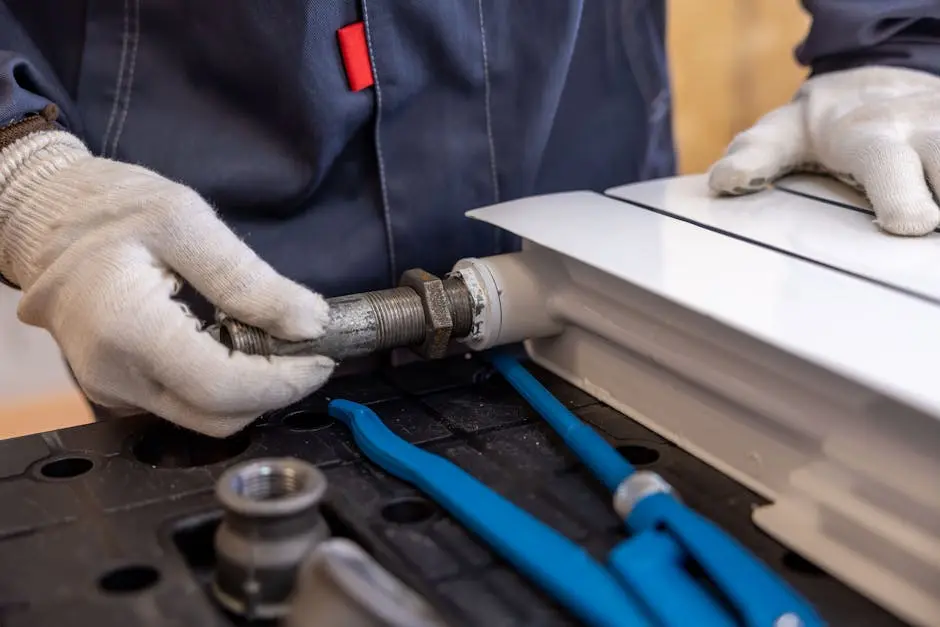
Close-up of a plumber installing a radiator pipe using specialized tools.

Step 1: Evaluate the Age of Your Furnace

Most gas furnaces have a lifespan of 15 to 20 years. If your furnace is approaching or has surpassed this age, it’s time to consider replacement.

Older models may not only be less efficient but also may lack modern safety features. Think about the peace of mind you’ll gain by upgrading.

It’s also helpful to keep documentation of your furnace’s age and maintenance history. This information can aid in deciding whether to repair or replace.

In general, furnaces approaching the 15-year mark should have you contemplating your options. A newer model could save money in energy costs.

Step 2: Monitor Energy Efficiency

Keep an eye on your energy bills. If you see a significant increase without any changes in usage, your old furnace might be struggling to operate efficiently.

An increase in energy bills can often be the first clue that your gas furnace is no longer working effectively. Even small spikes are worth investigating.

Also, consider an energy audit. This can help determine your furnace’s efficiency and identify whether repairs would be a cost-effective option.

If your furnace is older, it could have lower AFUE ratings, causing it to consume more gas than necessary for heating, leading to higher utility costs.

Step 3: Identify Frequent Repairs

If you find yourself calling for repairs regularly, it could be more cost-effective to invest in a new furnace rather than pouring money into constant fixes.

Consider the costs of repairs versus a replacement. If you’re spending more than half the cost of a new furnace on repairs, it may be time to make a switch.

Additionally, listen to your furnace. Odd noises like clanking or rattling can indicate internal issues, signaling it’s time for a serious evaluation.

Extended downtimes due to repairs can disrupt your daily life during the cold season. A new model will offer reliability and greater warmth.

Step 4: Assess Heating Performance

Inconsistent heating or frequent temperature fluctuations can indicate that your furnace isn’t performing as it should, signaling a need for replacement.

You might notice some rooms are warmer than others, or that you often feel chilly despite the thermostat reading an acceptable temperature.

This lack of uniform heating could stem from an aging furnace that can no longer distribute heat effectively through your home.

Consider conducting periodic checks with a thermometer in different rooms to gauge performance, documenting any discrepancies to discuss with a professional.

Step 5: Check for Safety Concerns

If you notice any signs of carbon monoxide leaks, such as a yellow flame or soot buildup, it’s crucial to replace your furnace immediately for your safety.

Carbon monoxide is a silent killer, and any suspicion of leaks should prompt immediate action. It’s best to prioritize safety over any lingering doubts.

Installing carbon monoxide detectors around your home is equally important. They serve as an extra line of defense against this invisible threat.

In addition to gas leaks, check for other signs like rust or corrosion. These issues can pose significant health risks and indicate it’s time to replace.

Final Thoughts on Replacing Your Gas Furnace

In conclusion, knowing when to replace your gas furnace can greatly impact your comfort and energy costs. If you notice any of the signs discussed, such as increased energy bills or frequent repairs, it may be time to start looking for a replacement. A new furnace can enhance your home’s efficiency and keep you warm for years to come.

What Solutions Are Available For Humidity Control in Columbus?

Humidity control is crucial for maintaining a comfortable and healthy environment in Columbus. From the unique climate to the various options available, navigating humidity solutions can be overwhelming. This guide will help you understand the different humidity control solutions you can utilize to create a better indoor atmosphere.
A woman adjusts a humidifier indoors, promoting relaxation and air quality.

Understand Your Humidity Levels

Before you select a solution, it’s important to know your current humidity levels. Use a hygrometer to get accurate readings of your indoor environment.

Understanding humidity is key to a comfortable home. High humidity can lead to mold growth and discomfort, while too little can cause dry skin and respiratory issues. Gather your data before making decisions.

Keep track of your humidity levels in different rooms. Kitchens and bathrooms often have higher humidity due to cooking and bathing. Recognizing these patterns will aid in targeting your solutions effectively.

Explore Dehumidifiers

Dehumidifiers are a popular choice for humidity control. Discover the types of dehumidifiers available and which might work best for your home.

There are several types of dehumidifiers: portable, whole-home, and desiccant. Depending on your needs and space, one type may be more suitable than another. Portable units are great for targeted areas, while whole-home units integrate with your HVAC system.

When purchasing a dehumidifier, consider its capacity and energy efficiency. A unit with a higher capacity can handle larger spaces and more humidity. Look for Energy Star rated models to save on energy bills.

Be aware that proper placement of the dehumidifier is essential. For optimal performance, it should be located in a central area with good airflow. This ensures the device can effectively reduce humidity throughout your space.

Consider HVAC Systems

An efficient HVAC system can significantly help in regulating humidity levels. Learn about the features that enhance humidity control in your air conditioning and heating systems.

Modern HVAC systems often come with built-in humidistats. These devices help maintain ideal humidity levels automatically. If yours doesn’t include this feature, consider upgrading to one that does for enhanced control.

Proper maintenance of your HVAC system is vital. Regularly changing filters and scheduling professional cleanings can improve the system’s efficiency, which in turn helps manage humidity levels effectively.

Zoning systems can also be integrated to provide targeted control in different areas of your home. This is particularly useful in large houses where specific rooms may require more than just standard humidity control.

Utilize Natural Ventilation

Sometimes, the simplest solutions are the most effective. Open your windows or use exhaust fans to promote air circulation and reduce humidity naturally.

Natural ventilation works best during milder seasons when the outside air is less humid. During such times, open windows to allow fresh air in while letting the moist air escape.

Additionally, cross-ventilation is a great method to combat humidity. Open windows or vents on opposite sides of your home to create a breeze that helps to carry humidity out of your living spaces.

Remember that during high humidity days, it’s best to keep windows closed. Instead, focus on exhaust fans in kitchens and bathrooms to pull out excess moisture effectively.

Incorporate Moisture Absorbing Materials

Consider using moisture absorbers like silica gel or activated charcoal in problem areas to help keep humidity levels in check.

These materials work by attracting and trapping moisture from the air. Place them in closets, basements, and other enclosed spaces where humidity tends to accumulate.

Additionally, explore products specifically designed to absorb moisture, like calcium chloride. They are quite effective and can be found in many home improvement stores.

Regularly check and replace or recharge these moisture absorbers to maintain their effectiveness. Staying ahead of humidity in this way can prevent larger issues down the line.

Maintain Your Humidity Control Solutions

Regular maintenance of your humidity control systems is essential for optimal performance. Learn how to care for your dehumidifiers and HVAC systems.

For dehumidifiers, remember to clean the filters and empty the water basin if not self-draining. This simple routine can greatly enhance your unit’s efficiency.

Your HVAC system should also be inspected and serviced regularly by professionals. They will ensure that all parts function optimally and adjust settings as needed to keep humidity at desired levels.

Moreover, keep an eye on moisture levels throughout the seasons. Changes in weather can affect indoor humidity, so ongoing assessment can enable you to adjust your strategies accordingly.

In summary, maintaining your humidity control solutions isn’t just about keeping things running; it’s about ensuring a comfortable, healthy environment in your home.

Wrapping Up Your Humidity Control Quest

By understanding and utilizing these humidity control solutions, you can improve your indoor air quality and comfort. Whether through dehumidifiers, HVAC systems, or natural ventilation, each method has its own benefits suited to different needs. Don’t let humidity issues overwhelm you; take action with these effective solutions.

What Is Humidity Control and Why Does It Matter?

Humidity control is essential for maintaining optimal indoor environments, whether in homes, offices, or specific industries. But what does it really mean, and why should you care? Let’s break it down simply and clearly.
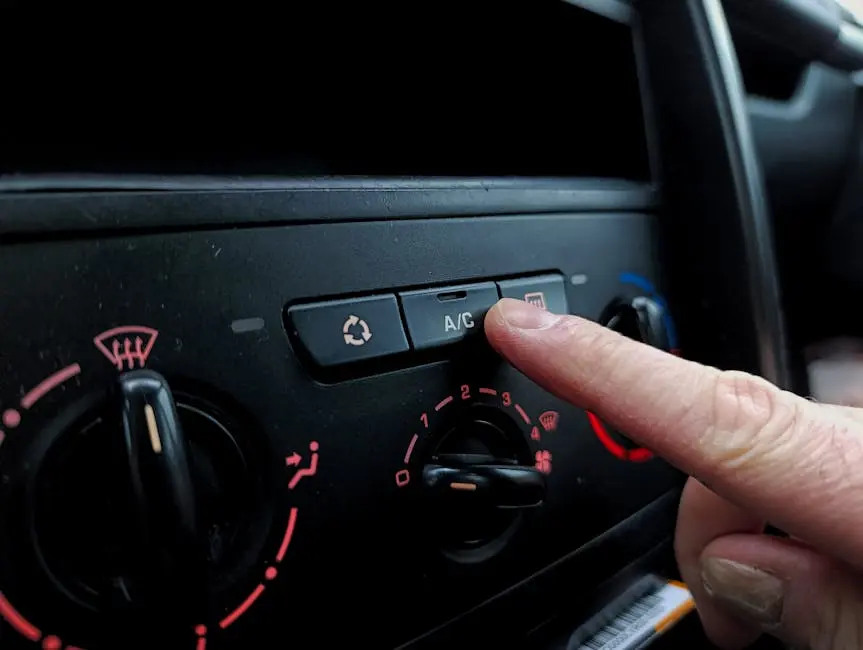
Close-up of a person adjusting a car’s air conditioning system inside a vehicle cabin.

Understanding Humidity

Humidity refers to the amount of moisture present in the air. It’s a key factor in your indoor environment and can greatly impact comfort and health.

When humidity levels are too high, the air feels sticky and uncomfortable. Conversely, low humidity can lead to dry skin and respiratory problems. Knowing your humidity levels helps you feel at ease.

Humidity is often expressed as a percentage, indicating how much water vapor the air is holding relative to its maximum capacity. This means that a room can feel quite different based on its humidity level. 🌧️

In essence, humidity plays a crucial role in our daily comfort. By understanding the balance, you can create an environment that feels just right.

The Importance of Humidity Control

Controlling humidity levels can prevent mold growth, protect your furniture, and improve air quality in your home or office.

Mold thrives in damp conditions, and a consistently high humidity level can invite health problems. Ensuring your space has proper humidity control can help stave off these issues.

Furthermore, your furniture and belongings benefit from steady humidity levels. Excess moisture can cause wood to warp, while areas that are too dry can lead to cracking and damage.

Ultimately, good humidity control is about maintaining a healthy indoor climate. It’s not just about comfort; it’s about the overall well-being of your space and its occupants.

How to Measure Humidity

You can measure humidity using hygrometers, which provide real-time readings of moisture levels in the air.

Simple hygrometers are widely available and easy to use. Whether digital or analog, they give you a clear picture of indoor humidity.

For a more detailed understanding, consider more advanced options that can monitor temperature and humidity fluctuations over time.

Once you’ve got a hygrometer in place, regularly checking the readings helps you stay aware of your indoor conditions, enabling proactive adjustments.

Effective Humidity Control Solutions

From dehumidifiers to humidifiers, there are various solutions available to help you maintain your desired humidity levels.

Dehumidifiers are excellent for areas prone to excess moisture, such as basements or bathrooms. They help extract water from the air, making the environment more comfortable.

On the flip side, humidifiers add moisture to drier environments, particularly during winter months when indoor heating can lower humidity levels drastically.

Choosing the right solution depends on your specific needs. Both systems can often be combined for maximum effectiveness, creating an indoor climate that’s always just right. 🔄

Tips for Maintaining Optimal Humidity

Regular maintenance of HVAC systems, proper insulation, and mindful usage of water appliances can help keep humidity in check.

Consider utilizing exhaust fans in kitchens and bathrooms to reduce moisture build-up during cooking or showering.

It’s also wise to monitor weather conditions regularly. Awareness of outdoor humidity can influence your indoor approach and preparations.

Finally, using plants strategically can also help in managing indoor humidity levels. Live plants naturally release moisture, enhancing the air quality and comfort of your home.

Final Thoughts on Humidity Control

In summary, understanding and managing humidity is crucial for health, comfort, and preservation of belongings. By implementing effective humidity control measures, you can improve your living space significantly.