
Your Comfort Doesn’t Take the Weekend Off—Neither Do We! Saturday Appointments, Same Price! Book Now

614-389-3283

Book Appointment

8 Key Signs Your Furnace Service Needs a Tune-Up in Columbus

As winter approaches in Columbus, ensuring your furnace is in tip-top shape becomes crucial for comfort and safety. But how do you know when your furnace needs a little extra care? Below, we’ll explore key signs that indicate it’s time for a furnace tune-up, ensuring your home stays warm and cozy all season long.
Close-up of a mechanic using hand tools to fix an engine, showcasing precision and skill.

1. Unusual Noises Coming From Your Furnace

If your furnace is making strange sounds like banging, rattling, or squeaking, it may be a sign that something is wrong. These noises could indicate loose parts or issues that require immediate attention. Pay close attention to the type of noise and when it occurs. For instance, if the banging intensifies as the furnace cycles, this could point to something more serious. Don’t dismiss these sounds as merely annoying; they can be signals from your furnace that need to be addressed right away.

Sometimes, these noises can come from ducts or vents rather than the furnace itself. If you’re experiencing a combination of strange sounds and dropped temperatures in your home, consider having a professional inspect both the furnace and the ductwork. Remember, early detection is key! Addressing these issues sooner rather than later will not only lead to a quieter home but may also avoid a potentially costly repair down the line.

2. Increased Energy Bills Without Explanation

A sudden spike in your energy bills? This could be an indication that your furnace is working harder than it should, possibly due to lack of maintenance or wear and tear. If you notice your bills climbing without a clear reason, it’s a good idea to investigate further. Sometimes it might be as simple as needing a new filter or it could mean your furnace is struggling due to age or inefficient operation.

Monitoring your energy usage can be a telling practice. Keep a log and compare month-to-month usage, especially during the high-demand winter months. If a furnace tune-up hasn’t been on your radar, unexpected increases in your bills might urge you to make it a priority. Fighting the chill doesn’t have to break the bank, and a simple tune-up can often lead to significant savings in energy costs over time.

3. Uneven Heating Throughout Your Home

If certain rooms in your house feel significantly colder or warmer than others, it might be time for a check-up. Uneven heating can stem from duct issues or a struggling furnace. It’s important to address this issue because not only is it uncomfortable, but it can also signify underlying problems with your heating system. Ductwork may be obstructed, or there may be leaks that require attention.

Moreover, uneven heating can sometimes lead to increased energy costs as your furnace works overtime to maintain an overall temperature. Regular maintenance includes checking the ductwork to ensure every room receives the warm air it needs. Having a qualified technician evaluate your system can help restore even heating, keeping your entire home cozy and comfortable during the biting Columbus winter nights.

4. Frequent Cycling On and Off

Your furnace should cycle on and off at regular intervals. If it seems to be turning on and off too frequently, this could be a sign of an issue that needs professional evaluation. This constant cycling, known as short cycling, not only stresses the furnace but can also lead to higher energy costs as the system constantly tries to maintain the desired temperature.

Causes for short cycling include a clogged filter, improper thermostat calibration, or potentially a more serious mechanical issue. If you find that your furnace is cycling more than just a few times an hour, it’s time to seek help. This not only ensures efficient operation but prolongs the life of your system in the long run—an essential consideration given the investment in heating for your home.

5. The Thermostat Seems Off

Does your thermostat display inaccurate temperatures? If your home doesn’t seem to match the thermostat settings, it may be time for a service check. An unreliable thermostat can lead to undue stress on your heating system, causing it to work harder than necessary.

Testing your thermostat can be as simple as comparing its reading to a handheld thermometer. If discrepancies arise, it may be inaccurate or malfunctioning. In some cases, it could even be a wiring issue that requires professional intervention. Regular calibration of your thermostat is essential for a properly functioning heating system, so consider scheduling a routine check during your next furnace service.

6. Presence of Strange Odors

If you detect a gas smell or burning scents, it’s crucial to turn off your furnace immediately and call a technician. Even subtle smells can indicate an underlying issue. Gas odors can signal a potential gas leak, which is dangerous and demands immediate action.

Additionally, musty or burning smells may indicate an issue with the furnace that requires servicing. Whether you notice something unexpected or just feel unease about a scent, trust your instincts. Addressing strange odors quickly can prevent more significant issues from developing, ensuring your home remains a safe and comfortable environment.

7. Yellow Pilot Light

A healthy pilot light should burn blue. If it appears yellow, it could signify incomplete combustion, which might necessitate a furnace service. The color of your pilot light is a simple but effective indicator of your furnace’s health—blue is good, yellow may mean trouble.

If you do notice a yellow flame, it’s advisable to contact a technician for a thorough inspection. This issue could stem from blocked air supply causing safety concerns. Ensuring the pilot light burns correctly should be part of your regular maintenance routine, as it can prevent poor efficiency and potential hazards in your home.

8. Excessive Dust and Allergies

If you’re noticing more dust in your home or increased allergy symptoms, your furnace might be in need of a tune-up to ensure proper filtration and airflow. A clogged air filter or dirty ducts can circulate dust and allergens throughout your home, exacerbating allergy symptoms.

Regularly replacing or cleaning filters is a straightforward yet vital part of furnace maintenance. If you’ve invested in a high-efficiency particulate air (HEPA) filter, ensure it’s functioning properly to maximize its benefits. Enhanced filtration not only improves your indoor air quality but also allows your furnace to run more efficiently, which is a win-win for you and your family.
10 Signs You Need Heating Repair in Your Columbus Home

As temperatures drop in Columbus, you rely more on your heating system to keep your home warm and comfortable. But what happens when your heater is struggling to do its job? Recognizing the signs that you need heating repair can save you from a chilly home and costly repairs down the line. Here are ten key indicators that your heating system might need professional attention.
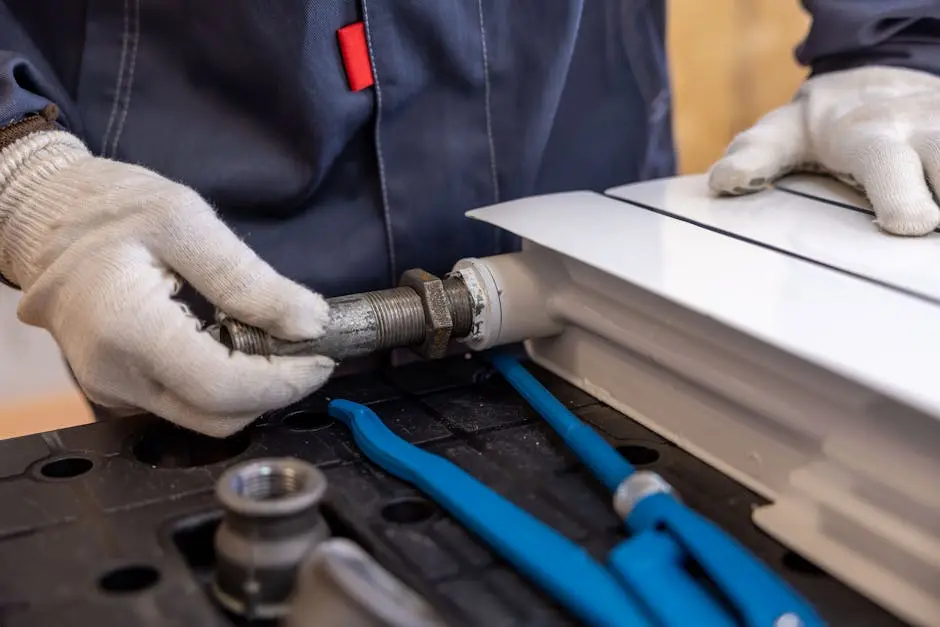
Close-up of a plumber installing a radiator pipe using specialized tools.

1. Unexpected Increases in Energy Bills

If you’ve noticed a sudden spike in your energy bills without a corresponding increase in usage, your heating system may be working overtime due to inefficiencies that need addressing. This is not just a frustrating surprise; it can also indicate potential issues within your system. A common culprit may be a dirty filter, which can impede airflow and force your heater to work harder than necessary. It’s smart to keep an eye on your bills and act quickly if something seems amiss.

Another factor to consider is the age of your heating unit. Older models tend to lose efficiency over time, which can lead to increased energy costs. If your system is approaching its retirement age—typically around 15 to 20 years—you might see these escalations without a clear reason. Regular maintenance checks or a consultation with a heating professional can help you parse these issues before they escalate into something more costly.

2. Inconsistent Heating

Are some rooms warmer than others? Uneven heating could indicate that there’s a problem with your heating system that requires repair. If the livable space in your home feels like a patchwork quilt of temperatures, it could point to ductwork issues or a failing heating unit. It’s important not only for comfort but also for energy efficiency to ensure even heating throughout your home.

For example, if you find that your bedroom is frigid while the living room is toasty warm, that discrepancy may stem from blocked vents or a malfunctioning thermostat. Addressing these inconsistencies can lead to a more comfortable environment and may alleviate some of that unexpected spike in your energy bills as well! Getting to the root of the problem with an assessment from a heating repair technician is the best first step.

3. Strange Noises from Your Heater

If you hear banging, clanking, or other unusual noises when your heater is running, it could be a sign of a mechanical issue that needs prompt attention. Trust your ears; they often pick up on problems before they escalate into serious repairs. Strange noises might indicate everything from loose parts to old bearings that have worn out, or even a buildup of debris within the furnace.

For instance, a loud banging noise could mean that the ductwork is expanding and contracting, which is common in older systems. On the other hand, high-pitched squeaks or grinding noises might suggest the motor is failing. Don’t hesitate to reach out to a heating repair professional if your heater sounds like it’s in distress—early detection can prevent larger issues and expensive repairs.

4. Short Cycling of the Heating System

When your heater turns on and off frequently, it might not be operating efficiently, which can be a sign of a malfunctioning thermostat or other issues. This behavior, known as short cycling, not only contributes to uneven heating but can also place undue stress on your heating system, possibly leading to a shorter lifespan.

In many cases, this problem can stem from an improperly calibrated thermostat or from a filter that’s become clogged and is restricting airflow. If you suspect short cycling, it’s wise to examine your system closely. A professional can easily troubleshoot this issue, ensuring your heating system performs optimally and effectively.

5. Foul Odors Coming from Vents

Unpleasant smells can indicate the presence of dust or mold, but they can also be a warning that your heating system is overheating or burning out. If you encounter acrid or burning smells, it’s critical to shut off your system immediately and call for professional assistance. These odors could signal a serious malfunction that, if left unchecked, could pose fire hazards or lead to additional damage.

It’s also worth noting that regular maintenance can help mitigate unpleasant odors. If your heating system hasn’t been serviced in a while, dust and debris may have accumulated, leading to unpleasant odors when the system kicks on. Scheduling periodic inspections can ensure that your heater runs smoothly and cleanly, giving you peace of mind when you crank up the heat during those bitterly cold Columbus winters!

6. Visible Dust and Dust Buildup

If you notice excessive dust accumulating in your home, it could mean your heating system is not filtering the air correctly, which may require repairs or cleaning. Poor air quality can exacerbate allergies and health issues, making it essential to ensure your heating system is in good working order.

Dust buildup not only affects your health but also indicates that your heating system is struggling to circulate air properly. An inefficient heating system can lead to more expensive energy bills, as it will have to work harder to distribute heat effectively throughout your home. To remedy this situation, replacing or cleaning filters regularly can be a simple, effective step. Moreover, addressing any issues quickly can make a significant difference in the air quality and overall efficiency of your heating unit.

7. Cold Air from Vents

If your heating vents are blowing cold air instead of warm, it’s a clear sign that there is a problem that needs expert evaluation. This issue can be particularly frustrating, especially on a cold winter day. Cold air blowing from your vents can indicate that the heating system is not functioning properly, which could range from a malfunctioning thermostat to significant issues with the heating unit itself.

A technician will be able to diagnose whether the issue lies with the heater, the ducts, or the controls. Regardless of the source, don’t delay in getting this evaluated to restore comfort to your home. Small problems can quickly escalate into large, expensive repairs, especially during peak heating periods when heating systems are under most stress.

8. Thermostat Issues

If your thermostat isn’t working properly or if it seems to lose connection with the heating system, it can lead to inconsistent heating, requiring professional repair. A malfunctioning thermostat can lead to either overheating or insufficient heating, both of which can make your home uncomfortable and increase energy bills. Therefore, it’s vital to check the functionality of your thermostat periodically.

Additionally, if your thermostat is old or outdated, considering an upgrade to a programmable model can be beneficial. Not only can this improve the efficiency of your heating system, but it can also give you greater control over your home’s temperature, which is especially useful during the cold months. Consulting with a heating repair professional can help determine if your thermostat needs repair, update, or even replacement.

9. Age of the Heating System

If your heating system is over ten years old, it may be approaching the end of its lifespan. Regular repairs might not be cost-effective anymore. At this stage, it’s crucial to consider a budget for either ongoing repairs or investing in a newer, more energy-efficient heating system that can save you money in the long run.

Newer models also tend to come with improved technology and features that not only enhance comfort but can also lower your energy consumption. If you’ve noticed inefficiencies and you’re frequently calling for repairs, it’s time to evaluate whether putting money into a new unit might be the smarter choice for your home.

10. Frequent Repairs

If you find yourself calling for repairs frequently, it may be time to evaluate if continuing to repair is worth it or if a replacement is necessary. Constantly pouring money into fixes can quickly become a financial burden, and there’s a point when investing in a brand-new heating system makes more sense.

A heating repair technician can provide an assessment of the condition of your system and help you weigh the options between repairs and replacement. Consider your budget, comfort needs, and long-term plans—these factors will play significant roles in making the best decision for your home. Tackling these questions now can prevent more significant headaches down the road, ensuring that your home remains a peaceful haven during the frigid Columbus winters.

What Are Common Signs That You Need AC Repair in Columbus?

If you’re starting to feel hot and uncomfortable in your home, it might be time to check your air conditioning unit. In Columbus, knowing the signs that your AC needs repair can save you from costly breakdowns and ensure your comfort during the warm months. Here are some common indicators that it’s time to call in the professionals.
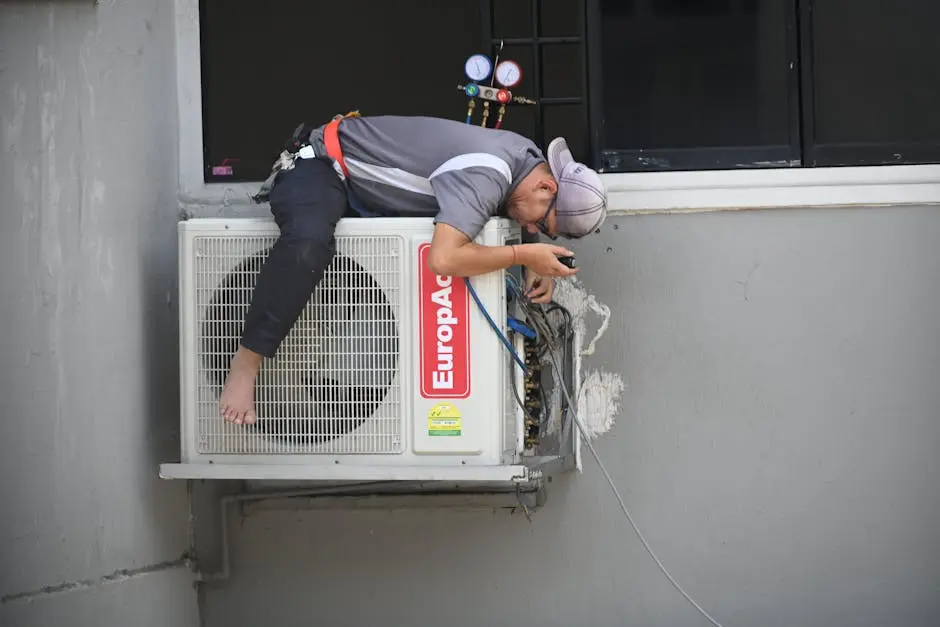
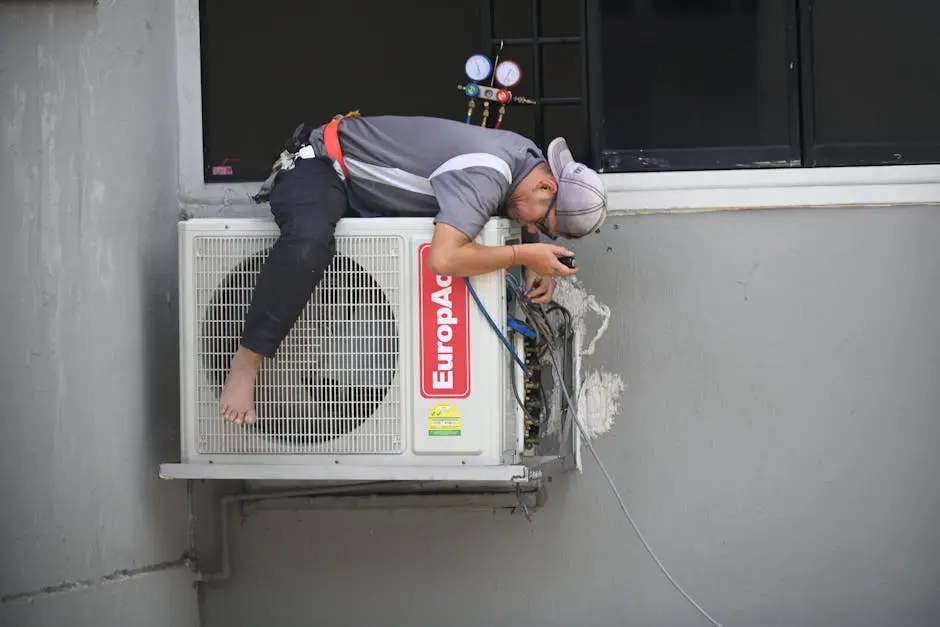
A technician skillfully repairing an outdoor air conditioning unit mounted on a building wall.

Inconsistent Cooling

If some rooms are cooler than others or you notice uneven temperatures throughout your home, it may indicate issues within your AC system.

This inconsistency often points to issues such as a dirty air filter, which can restrict airflow, or a malfunctioning thermostat. Both problems can easily lead to discomfort, especially during the hottest days of summer.

Moreover, if the air conditioning doesn’t seem to circulate efficiently, it might also suggest that the ducts are blocked or leaks have occurred. Addressing these concerns early can prevent more severe issues later.

Don’t let warm spots ruin your indoor comfort. If you find yourself adjusting the thermostat constantly to achieve a comfortable temperature in one room, it’s a clear call for AC repair.

Strange Noises

Unusual sounds such as grinding, squeaking, or hissing can signal mechanical problems that need immediate attention.

For instance, a banging sound may indicate loose parts or debris in the unit, while a high-pitched squeal often suggests a problem with the AC’s belt. Ignoring these noises can lead to further damage and costly repairs.

Sometimes, a continuous hum can indicate that the system is overworking due to internal issues. It’s best to listen to your AC and act when it starts talking!

Don’t brush off a minor noise today; it can escalate into a full-blown problem tomorrow, leading to more time without cool air.

High Energy Bills

If your energy bills have suddenly spiked without a change in usage, your AC may be working harder than it should, indicating a potential issue.

Inefficiency in your system could be due to a number of reasons, such as a dirty filter that’s restricting airflow, worn-out components, or refrigerant levels that need adjusting. Any of these could send your energy bills through the roof.

Keep an eye on those bills; a sudden increase is often a red flag that your AC needs attention. If you ignore it, your comfort—along with your wallet—will take a hit.

Regular check-ups on your system can save you money in the long run. Don’t wait for the bills to speak; listen to your AC first!

Bad Odors

Foul smells coming from your AC can be a sign of mold, mildew, or electrical issues, all of which require professional evaluation.

A musty smell could indicate mold growth inside your air conditioning unit, which can lead to health problems. On the other hand, a burning smell may be a sign that electrical components are overheating or that wires are damaged. Don’t take any chances; your safety and well-being come first!

If you notice any strange odors, it’s time to turn off your system and call an AC repair expert. They can diagnose the smell and ensure that your air is safe to breathe.

Even a light, unpleasant odor can escalate into bigger issues if not treated properly. Addressing the problem early protects both your home and your health.

Frequent Cycling

If your air conditioning system turns on and off frequently, it may be struggling to maintain the desired temperature, indicating a need for repairs.

This could be due to a malfunctioning thermostat, a dirty air filter, or even issues with the compressor. Frequent cycling not only affects the comfort of your home but can significantly increase your energy costs.

If you find your AC constantly running, it’s working too hard—and that’s not sustainable. It’s better to get it checked now than to deal with a complete breakdown later.

The more you listen to these little signs, the better prepared you’ll be to maintain a comfortable environment at home.

Water Leaks

Puddles around your AC unit can suggest a refrigerant leak or a blocked drain line. Both conditions need immediate professional attention.

Water leaks are not only messy; they signal serious problems, including potential water damage to your floors and walls. Ignoring these leaks can lead to mold growth and costly repairs down the line.

Moreover, a consistent leak often indicates an overcharged system or a clogged drain that can render your AC ineffective. Stay proactive—address any signs of water pooling as soon as you notice them.

When in doubt, call in the experts. They can effectively diagnose and fix the source of the leaks, ensuring your home stays cool and dry throughout the summer.

Stay Comfortable and Cool

Recognizing the signs that your AC may need repair is crucial for maintaining a comfortable home environment. Don’t hesitate to reach out to a local technician if you notice any of these issues. Regular maintenance can also help prevent problems down the line, keeping your AC running smoothly and efficiently.

How Often Should You Service Your Air Conditioner?

Regular maintenance of your air conditioner is crucial for ensuring its efficiency and longevity. But how often should you service it? Let’s break down the factors involved so you can keep your home cool and comfortable all year round.
A technician skillfully repairing an outdoor air conditioning unit mounted on a building wall.

Understand the Manufacturer’s Recommendations

Every air conditioner model comes with specific maintenance requirements. Check the owner’s manual for guidance on servicing intervals.

Typically, manufacturers suggest a maintenance service at least once a year. Some may recommend twice a year, especially for units that see constant use.

In addition to the manual, many manufacturers have customer service lines. Don’t hesitate to call them if you have questions about your air conditioner’s specific needs.

Regularly adhering to the manufacturer’s suggestions can actually prolong the lifespan of your AC, keeping it running efficiently.

Consider the Age of Your AC Unit

Older units may need more frequent servicing to maintain efficiency compared to newer models.

Generally speaking, if your air conditioner is more than ten years old, you might want to consider servicing it bi-annually. This frequency can help catch any early signs of wear and tear.

In contrast, newer models often include enhanced technologies that reduce the need for frequent maintenance. Yet, even new units benefit from routine check-ups to maintain efficiency.

A well-maintained older unit may still outperform a neglected newer model, reminding us that care truly makes a difference.

Evaluate Your Usage Patterns

If you use your air conditioner regularly, especially in humid climates, consider servicing it more often.

High usage can lead to increased strain on your air conditioning system. This stresses its components, making regular servicing essential to catch issues before they escalate.

If you’ve noticed your AC running constantly, whether due to increased heat or heavy humidity, an increase in servicing frequency could be a smart move.

Always remember, the more you use your system, the more wear it experiences. By scheduling routine services, you’ll help buffer against disruptive breakdowns.

Look for Signs of Trouble

If you notice unusual noises, smells, or reduced airflow, it might be time for immediate servicing, regardless of the schedule.

Strange sounds can often be a tell-tale sign that something isn’t quite right. Don’t ignore these warnings; they might indicate a failing component that could lead to bigger issues if not addressed.

Likewise, foul odors coming from your AC could suggest coil issues or mold growth. In such cases, don’t hesitate to reach out for professional help.

Pay attention to the airflow too. If you find that certain areas of your home are not cooling down, it’s definitely time to schedule a check-up.

Schedule Seasonal Maintenance

Generally, scheduling maintenance at least once a year, preferably before the cooling season begins, is a good rule of thumb.

Spring is the perfect time for such maintenance; it allows you to prepare your unit for the demands of summer heat. An annual check-up often includes cleaning the coils, checking refrigerant levels, and ensuring everything is functioning optimally.

Some homeowners opt for a biannual service—once before summer and once before winter, even if the heating function isn’t as heavily used. This can help catch potential issues that could arise during the less frequent use period.

A well-maintained air conditioner not only improves comfort but can lead to savings on energy bills, as efficiency is maximized. Make scheduling maintenance a priority; it pays off in the long run!

Final Thoughts on AC Maintenance

Maintaining your air conditioner is key to its performance and your comfort. By following these guidelines, you’ll ensure your AC runs smoothly for years to come.

What Should I Do If My Air Conditioner Stops Working?

Experiencing a malfunctioning air conditioner can be frustrating, especially during the hot summer months. But don’t worry! This guide will walk you through the steps you should take when your air conditioner stops working, ensuring you can cool down as quickly as possible.
A serene view of thick, fluffy clouds set against a bright blue sky, perfect for backgrounds.

Step 1: Check the Power Supply

Start by making sure your air conditioner is plugged in and receiving power. Check the thermostat settings and ensure it’s set to ‘cool’ mode. Sometimes, a tripped circuit breaker can be the culprit, so don’t forget to check your home’s electrical panel.

If everything seems fine with the initial checks, it’s wise to verify that there are no blown fuses as well. The fuses play a crucial role in the power supply of your air conditioner. A quick inspection can save you time and frustration.

Additionally, inspect your power cables for any signs of wear or damage. Frayed cords or loose connections could be the reason why your air conditioner isn’t turning on. Safety first, so be cautious while looking for electrical issues.

In some cases, the issue might be more complex, such as an electrical fault within the air conditioner itself. If you’re uncomfortable dealing with electrical components, seeking help from a qualified technician is a smart move.

Step 2: Replace or Clean the Air Filter

A dirty air filter can restrict airflow and cause your system to fail. Check your filter and replace or clean it if necessary. This simple step can often resolve cooling issues and improve efficiency.

Regular maintenance of your filter is crucial, as it helps maintain clear airflow through your air conditioner. Depending on usage, it’s generally a good idea to check your filter every month during peak cooling season.

If you live in a dusty area or have pets, you may find that your filter gets dirty faster. In such cases, even cleaning may not be enough, and you might contemplate replacing it more frequently to ensure optimal air quality and device performance.

Remember to consult your air conditioner’s manual for specific guidelines about your filter type and maintenance schedule. This will ensure your system runs smoothly and efficiently.

Step 3: Inspect the Outdoor Unit

Take a look at the outdoor condenser unit. Make sure it’s free from debris like leaves, dirt, and twigs. Clear any obstructions to ensure proper airflow and cooling capabilities.

An overlooked outdoor unit can greatly affect performance. Make sure that there are at least two feet of clearance around your condenser, allowing it to breathe properly. Proper ventilation is key to maintaining efficiency.

Sometimes small animals can take up residence nearby, causing blockages. If you notice any signs of nests or tampering, carefully remove them, but be aware of any wildlife that could be nesting there.

Additionally, inspect the fins of your outdoor unit. They can become bent or damaged, reducing efficiency. If necessary, gently straighten them with a fin comb, available at most hardware stores.

Step 4: Listen for Unusual Noises

If your air conditioner is making strange sounds, it might indicate a mechanical issue. Pay attention to any banging, clanking, or buzzing noises, and consider contacting a technician if you notice anything unusual.

Different sounds can signal different problems. For instance, a high-pitched whining noise could suggest a need for lubrication on a motor part, while rattling may indicate loose parts. Identifying these sounds early can prevent further damage.

Don’t ignore hissing sounds either, as they may point to a refrigerant leak, which can not only harm your air conditioner but also affect your home’s air quality. Always address such symptoms promptly to halt escalation.

In some cases, your air conditioner may simply be working harder than usual due to a clogged filter or dirty coils, but it’s always best to pay attention and not dismiss unexpected noises.

Step 5: Call a Professional

If you’ve gone through all these steps and your air conditioner is still not working, it’s time to call in a professional technician. They have the expertise to diagnose and fix any underlying issues safely.

Keep in mind, regular maintenance from a pro can extend the life of your unit and prevent future breakdowns. An annual inspection is generally recommended to catch potential problems before they turn into costly repairs.

When choosing a technician, look for one with good reviews and proper certifications. Always ask about their experience with your specific brand and model for the best results.

Ultimately, recognizing when a problem exceeds DIY repair is crucial. A professional will ensure that repairs are carried out safely and effectively, giving you peace of mind as you enjoy a comfortably cool home again.

Wrapping Up

By following these steps, you’ll be able to troubleshoot common air conditioner issues effectively. If problems persist, please call a professional for help. Stay cool!