
Your Comfort Doesn’t Take the Weekend Off—Neither Do We! Saturday Appointments, Same Price! Book Now

614-389-3283

Book Appointment

10 Heating Repair Tips Every Columbus Homeowner Should Know

As winter approaches and the chill sets in, ensuring your heating system is in top shape becomes crucial. Whether you’re a seasoned homeowner or new to the Columbus area, understanding basic heating repair tips can save you time, money, and the stress of unexpected breakdowns. Here are some essential tips every homeowner should know to keep their heating systems running smoothly.
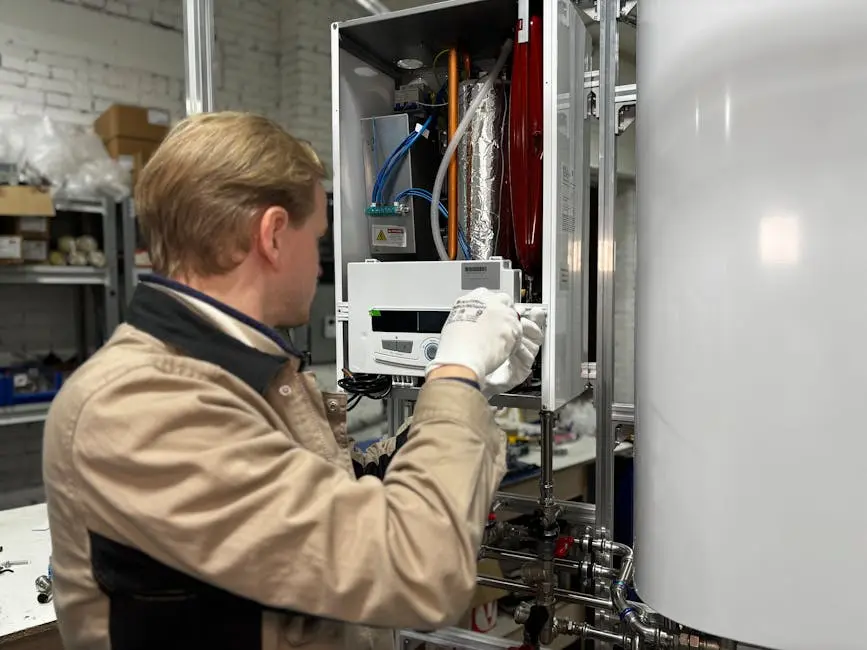
Technician installing or repairing a heating system in an indoor workshop setting.

1. Regular Maintenance is Key

Keeping up with regular maintenance can greatly extend the lifespan of your heating system. Schedule annual check-ups with a professional to catch potential issues early. It’s often the small problems that can escalate into major repairs if ignored, and a simple inspection can save you both money and hassle. During these inspections, the technician can clean components, check for wear and tear, and advise you on any necessary fixes. Additionally, maintaining detailed records of your system’s maintenance history can be incredibly useful. It helps track what has been done and can also give insights into any recurring issues.

Furthermore, it’s beneficial to create a maintenance schedule that aligns with seasonal transitions. For instance, you should conduct these checks before the winter months to ensure your system is ready for heavy use. Taking this proactive approach means that you won’t have to scramble when the first chill hits Columbus, as you will already be prepared to handle the cold with a reliable heating system.

2. Change Your Filters Frequently

A clean filter ensures good airflow and efficiency. Check and replace your filters every few months, especially during heavy use in winter. A clogged filter can cause blockages that decrease efficiency and increase energy bills—no one likes a surprise spike! Moreover, it can strain your heating system and lead to more significant issues down the line, such as overheating or even breakdowns.

In addition to regular changes, consider investing in high-efficiency filters. While they may cost a bit more upfront, they tend to capture a greater range of particles, from dust to allergens, ensuring your home’s air stays clean. And let’s face it; breathing in cleaner air benefits everyone, especially during cold months when we spend more time indoors!

3. Know Your Thermostat

Understanding how to use your thermostat can make a big difference. Programmable thermostats allow you to set different temperatures for different times of the day, helping you save energy. For instance, you might prefer a toasty home in the morning and a cooler temperature at night while you sleep. By programming these settings, you can easily manage your comfort and significantly reduce your energy bill.

If you haven’t made the leap to a smart thermostat, now might be the time to consider it! These devices can be controlled remotely and learn your habits over time to optimize heating without you lifting a finger. Such technology not only adds convenience but enhances the efficiency of your heating setup, ensuring your home remains warm when you want it and saves energy when you don’t.

4. Inspect Ductwork for Leaks

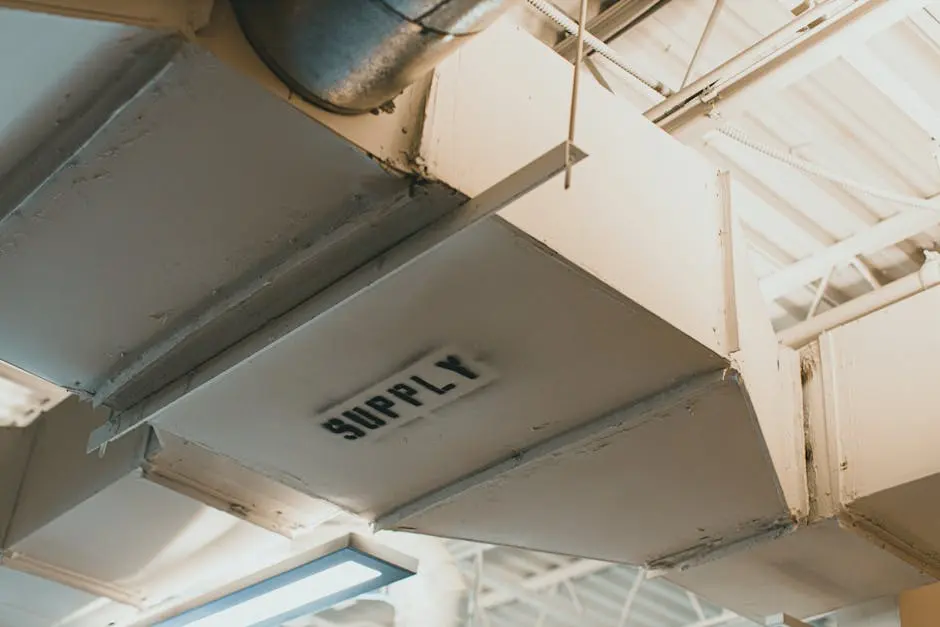
Leaky ducts can lead to significant heat loss. Check your ductwork for gaps and seal them to ensure efficiency and lower energy costs. A simple visual inspection can reveal whether your ducts are intact. If your heating system is functioning yet your home remains chilly, it might be time to enlist a professional to examine and seal those pesky leaks.

Moreover, consider the benefits of insulating your ductwork, particularly if it runs through unconditioned spaces like attics or crawl spaces. Insulating helps maintain the temperature of the air being delivered to your home. This kind of preventative step can make a noticeable difference in your heating efficiency and comfort during the harsh winter months.

5. Listen for Unusual Noises

If you hear strange sounds coming from your heating system, don’t ignore them. Popping, banging, or whining noises can indicate a problem that needs to be addressed. It’s easy to shrug off these sounds as a minor issue, but they can signal everything from loose components to airflow problems.

Take note of when these noises occur. Is it only when the system starts up? Or do they happen consistently? By understanding the patterns, you can communicate more effectively with your technician about the symptoms your heating system is exhibiting. Quick action could prevent a minor issue from spiraling into a costly repair.

6. Test Your Carbon Monoxide Detector

A functioning carbon monoxide detector is crucial for safety. Regularly test it to ensure it’s working, especially if you have a gas heating system. Carbon monoxide is a silent killer, and having an active detector can provide peace of mind. Make it a habit to check the batteries and functionality as part of your seasonal maintenance routine.

Additionally, understanding the signs of carbon monoxide poisoning can be invaluable. Symptoms such as headaches, dizziness, and confusion should never be ignored. If you suspect any issue, turn off your heating system immediately and get fresh air. Knowing how to react in such situations can make all the difference.

7. Clear Vents and Radiators

Make sure vents and radiators are not obstructed by furniture or dust. A clear path allows for better airflow and more efficient heating. If your furniture is too close to a radiator, it can block heat and lead to uneven temperatures throughout your home.

Regularly vacuuming around your vents or radiators should become part of your maintenance routine. Dust buildup can not only hinder performance but also reduce indoor air quality. By keeping these areas clean and clear, you allow your heating system to distribute warm air effectively, making your home more comfortable during cold snaps.

8. Know When to Call a Professional

While some repairs can be DIY, knowing when to call a professional is crucial. If you’re facing a complex issue, bring in a certified technician to avoid further damage. Many homeowners often feel tempted to solve problems themselves, but a little knowledge can only go so far. If you’re uncertain about the troubleshooting process, it may be time to involve someone with expertise.

It’s important to understand that professional assessments can save you more than just time; they can also save you money in the long run. Not only can a technician identify the problem quickly, but they can also recommend solutions tailored to your specific heating system, thereby ensuring your repair is thorough and effective.

9. Keep an Eye on Your Energy Bills

A sudden increase in your energy bills can indicate heating issues. Keep track of your usage and investigate any unusual spikes. Remember, consistent monthly bills can provide insight into whether your system is functioning efficiently or if there are underlying issues that need to be addressed.

Additionally, consider conducting an energy audit of your home. This comprehensive look at your energy consumption can help identify inefficiencies, including those created by outdated heating systems. Many energy companies even offer incentives for homeowners who schedule audits, potentially leading to significant savings and a more comfortable living space.

10. Stay Informed About Upgrades

Heating technology is always evolving. Stay informed about energy-efficient systems and upgrades that could save you money in the long run. With advancements in HVAC technology, like smart thermostats and high-efficiency furnaces, homeowners have more options than ever before.

Beyond simply upgrading systems, be aware of any available rebates and tax incentives. Energy-efficient appliances often qualify for financial benefits, making the initial investment more palatable. Remember, investing in modern heating solutions isn’t just about comfort; it’s also a long-term savings strategy.

Effective Humidity Control for a Comfortable Home

Maintaining the right level of humidity in your home is crucial for comfort, health, and the preservation of your living space. Too much humidity can lead to mold and mildew, while too little can dry out your skin and damage your furniture. In this blog, we’ll explore effective humidity control strategies that will help create a comfortable and healthy home environment.
A woman adjusts a humidifier indoors, promoting relaxation and air quality.

Understanding Humidity and Its Effects

Humidity refers to the amount of moisture in the air, and it plays a vital role in our daily lives. High humidity can cause discomfort, while low humidity can lead to health issues and damage. In this section, we will delve into why it’s essential to understand humidity levels and their impact on your home and well-being.

When humidity levels rise above comfort levels (usually above 60%), it can create a sticky and unpleasant atmosphere. Not only does this lead to discomfort, but it can also foster the growth of mold and mildew, which can be harmful to both your health and your home. Conversely, low humidity can contribute to a host of issues such as dry skin, respiratory problems, and damage to your wooden furniture.

Understanding humidity and its effects allows you to make informed decisions. With the right tools and methods, you can maintain an ideal balance that promotes comfort and well-being, ensuring that your home remains a safe and pleasant sanctuary.

Signs of High and Low Humidity

Knowing the signs of high and low humidity is key to effective control. This section highlights the telltale signs to watch for, from condensation on windows to dry skin, helping you identify when action is needed.

High humidity can manifest in various ways. You might notice fogged windows, a musty smell in certain areas of your home, or an increase in dust mites and mold growth. These signs indicate that the air in your home is saturated with moisture, which can create not just discomfort but also health risks.

On the flip side, low humidity is often indicated by dry skin, throat irritation, and increased static electricity. Your furniture may start to crack, and you might even notice that your indoor plants become droopy or their leaves start to brow. Recognizing these indicators is essential for maintaining your home’s ambiance and preventing potential damage.

Tools and Devices for Humidity Control

There are various tools available to help you manage humidity effectively. In this part, we will discuss dehumidifiers, humidifiers, and hygrometers, explaining how each one works and when you might need them.

A dehumidifier is your best friend when it comes to battling excessive moisture in the air. By drawing in damp air and extracting moisture, it can help create a more pleasant living environment. Look for models with adjustable settings to fine-tune your humidity levels based on your specific needs.

In contrast, a humidifier works to add moisture back into the air, which can be particularly beneficial in the winter months when heating systems tend to dry out indoor air. Understanding when and how to use these devices can be game-changing for maintaining the right humidity balance.

Don’t forget about hygrometers! These handy tools measure the exact humidity level in your home, allowing you to make adjustments as needed. Regular monitoring can help you stay ahead of humidity-related problems before they escalate.

Natural Methods to Regulate Humidity

Sometimes, the best solutions come from nature. This section explores natural methods to control humidity, including proper ventilation, using indoor plants, and making design choices that promote airflow.

Good ventilation is essential for maintaining optimal humidity levels. Opening windows during pleasant weather lets in fresh air and helps to disperse damp air trapped inside. Ceiling fans can also aid in circulation, giving your home a much-needed airflow boost. Simply ensuring there are no blockages in vents and air ducts can make a significant difference.

Incorporating certain indoor plants can naturally regulate humidity. Plants such as peace lilies and spider plants not only beautify your space but also release moisture into the air through a process called transpiration. This can help you maintain a balanced level of humidity while purifying your indoor air.

The Role of HVAC Systems in Humidity Control

Your HVAC system plays a crucial role in regulating your home’s humidity. This section will cover how heating, ventilation, and air conditioning systems can be used to manage humidity levels effectively.

A well-maintained HVAC system not only cools or heats your home but also helps in maintaining its humidity levels. During summer months, your air conditioner’s cooling process naturally dehumidifies the air. When choosing an HVAC system, be sure to select a model that is appropriately sized for your home to maximize its effectiveness.

Regular maintenance is key! Changing filters and having your system checked at least once a year can ensure that it functions optimally. Neglecting your HVAC system can lead to inefficient operation, which in turn can cause uncomfortable humidity levels in your home.

Seasonal Humidity Challenges and Solutions

Different seasons bring different humidity challenges. In this part, we will discuss what to expect in each season and offer practical solutions to maintain comfortable humidity levels year-round.

During the sweltering summer months, high humidity can be unbearable. Utilizing dehumidifiers and ensuring your air conditioning system is functioning properly can keep your home comfortable. Additionally, consider keeping windows closed during the hottest parts of the day to prevent moist air from seeping inside.

In contrast, winter tends to bring low humidity, which can lead us to experience dry skin and respiratory discomfort. This is the perfect time to invest in a humidifier to combat the dryness. It’s also wise to keep indoor plants, which can help maintain moisture levels while bringing a refreshing touch of nature into your home.

Final Thoughts on Humidity Control

By implementing various humidity control techniques, you can enjoy a more comfortable and healthier living space. Whether it’s through using dehumidifiers, ventilating your home properly, or taking advantage of natural climate control, these tips will ensure that you maintain the ideal humidity level in your home.