
Your Comfort Doesn’t Take the Weekend Off—Neither Do We! Saturday Appointments, Same Price! Book Now

614-389-3283

Book Appointment

How Can Humidity Control Improve Comfort in Columbus Homes?

Humidity control is a crucial component for creating a comfortable living environment, especially in a fluctuating climate like Columbus. Whether you’re battling dampness in summer or dryness in winter, understanding how to manage humidity can significantly enhance your home’s comfort and wellness. Let’s explore how humidity control can improve your living conditions.

A woman adjusts a humidifier indoors, promoting relaxation and air quality.

Understanding Humidity and Its Effects

Humidity refers to the amount of moisture in the air, and both high and low humidity levels can have negative effects on comfort and health. Understanding the importance of balanced humidity is key for any homeowner.

High humidity can lead to a clammy feeling, making your home feel warmer than it really is. This often prompts us to crank up the air conditioning, which can lead to increased energy costs. On the other hand, low humidity can strip moisture from your skin and make breathing uncomfortable. Striking the right balance is crucial.

Furthermore, humidity affects the way we perceive temperature. When the air is too dry or too moist, we may feel too hot or too cold. This is why maintaining an appropriate humidity level is foundational to comfort.

It’s easy to overlook humidity when considering home comfort, but it plays a pivotal role in our overall well-being. Learning about this sometimes-neglected aspect of home maintenance can profoundly shape your living experience.

Identifying Humidity Issues in Your Home

Common signs of humidity issues include mold growth, musty odors, and wooden furniture warping. Identifying these issues early can prevent larger problems down the road.

Look for condensation on windows and walls; this is an unmistakable sign that humidity is too high. Other indicators might include feeling overheated in a seemingly cool room. When your home feels too stuffy or damp, it’s time to take action.

On the flip side, dry air can lead to cracked skin and respiratory issues, while wooden floors may show gaps as they shrink. If these signs are prevalent in your home, you may need to recalibrate your humidity control measures.

Being proactive can save you stress and money in the long run. Regular checks for humidity-related issues can ensure your home remains comfortable year-round.

Benefits of Humidity Control Systems

Investing in a humidity control system can significantly enhance indoor comfort. These systems help maintain an ideal moisture level that minimizes allergens, prevents damage, and keeps you comfortable throughout the year.

When specifically addressing allergens, humidity control can lessen the growth of dust mites, mold, and mildew, which thrive in damp environments. Reduced allergens mean a healthier home, especially for those with allergies or asthma.

Moreover, a well-regulated humidity system protects your home’s structure. By keeping moisture at ideal levels, homeowners can prevent wood rot and paint peeling. This not only preserves the aesthetic value of the home but also partakes in its longevity.

Finally, these systems contribute to energy efficiency. Maintaining consistent humidity levels can reduce the need for excessive heating or cooling, ultimately lowering energy bills. Think of it as an investment in comfort and savings!

Tips for Managing Humidity at Home

Utilize a dehumidifier or humidifier, depending on your needs. Additionally, regular maintenance of your HVAC system and proper ventilation can help achieve your humidity goals.

For example, in the summer months, a dehumidifier can be your best friend. It removes excess moisture from the air, allowing for a more refreshing atmosphere. In contrast, during the winter, a humidifier can replenish moisture lost due to heating.

Consider also opening windows when weather permits; fresh air exchange can help balance indoor humidity levels naturally. You could even introduce houseplants that help breathe moisture back into the air and purify it at the same time.

In addition to these systems, be aware of your home’s layout. Sometimes, certain areas may trap more humidity than others. Identifying and addressing these hotspots can significantly improve your home’s overall comfort.

Wrapping Up on Humidity Control

In conclusion, effective humidity control not only enhances comfort but also protects your home and health. By investing in the right systems and practices, homeowners in Columbus can create a balanced indoor environment that feels just right.
10 Ways an Air Purifier Can Boost Your Home’s Comfort in Columbus, Ohio

Air quality might not be the first thing you think of when it comes to home comfort, but it plays a crucial role in your overall well-being. In Columbus, Ohio, where seasonal changes can bring a variety of pollutants and allergens, an air purifier can make a significant difference. Here are ten ways an air purifier can enhance your living space and elevate your comfort.
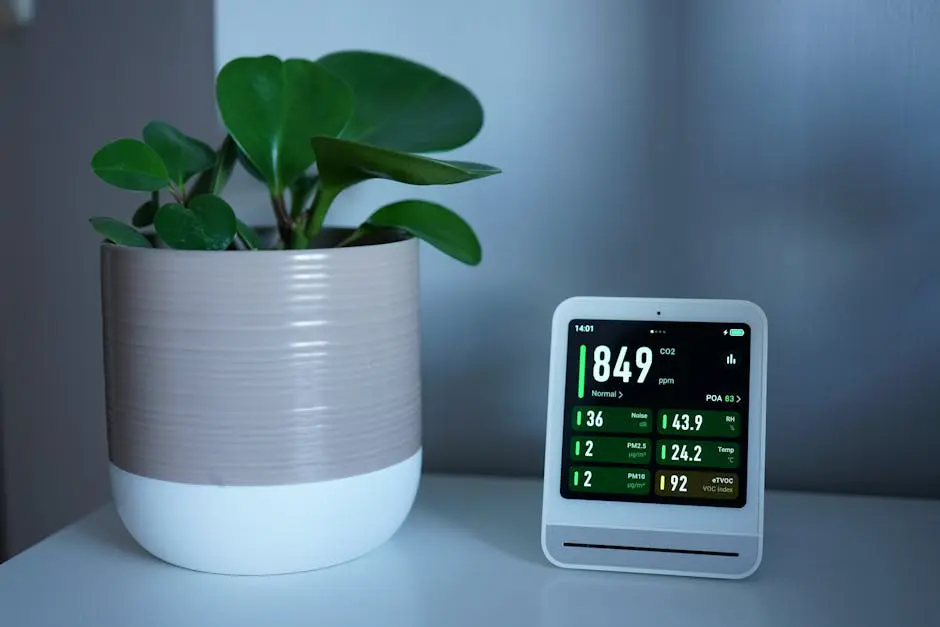
Air quality monitor next to a potted plant on a desk, showing CO2 and PM2.5 levels.

1. Improved Air Quality for Healthier Living

Air purifiers effectively filter out harmful pollutants, ensuring that the air you breathe is cleaner and safer for you and your family.

By using a high-efficiency particulate air (HEPA) filter, these devices can trap microscopic particles that would otherwise linger in your home. You may be surprised to learn just how many harmful elements are present in indoor air—dust, mold spores, and even certain chemicals used in household cleaners can contribute to poor air quality. An air purifier becomes an unsung hero in combatting these hidden foes, promoting a healthier living environment.

Moreover, by improving the overall air quality, you’re not just enhancing comfort—you’re also actively contributing to your family’s long-term health. Cleaner air often means a significant reduction in respiratory issues, leading to fewer visits to the doctor due to illness. Isn’t that a comforting thought?

2. Reduced Allergens for Seasonal Relief

Columbus can be home to various allergens, especially during spring and fall. An air purifier helps capture pollen, dust mites, and pet dander, providing relief for allergy sufferers.

During high pollen seasons, many residents of Columbus experience increased sneezing, runny noses, and itchy eyes. Owning an air purifier can be a game-changer. With the ability to keep allergens at bay, these devices make it easier to enjoy your home without worrying about the outside allergens invading your indoor oasis. Imagine relaxing on the couch, surrounded by comfort instead of tissues!

Additionally, it’s important to understand that not all air purifiers are created equal. Some units come equipped with specialized filters designed specifically for allergy relief, making them even more effective. This means you have options tailored to your specific needs, offering a customized approach to your health and comfort.

3. Elimination of Unpleasant Odors

From cooking smells to pet odors, air purifiers help neutralize unwanted scents, leaving your home smelling fresh and clean.

We all have those days when a delicious dinner can leave lingering aromas that just don’t seem to fade. An air purifier steps in to help refresh the space, eliminating any unwanted odors that may cling to your fabrics or settle into your walls. With just one effective device, you can reclaim a sense of freshness in every room.

Additionally, pet owners often struggle with various smells that can accumulate. Air purifiers not only capture pet dander but also the odors that can accumulate in your home. Imagine inviting friends over without worrying about pet odors; it’s a stress-free way to create an inviting environment.

4. Germ and Bacteria Reduction

Using an air purifier can significantly reduce airborne bacteria and viruses, especially during flu season, helping to keep your family healthier.

With the rise of awareness surrounding health and hygiene, many families are looking for ways to create a safer home environment. Air purifiers act as a frontline defense against germs, filtering out dangerous pathogens and giving you peace of mind. It’s simple: cleaner air means a lower likelihood of illness in your household.

Especially during winter months, when viruses tend to thrive, having an air purifier can be an invaluable asset. With fewer sick days and more family time, you’ll quickly see the remarkable benefits of investing in such smart technology.

5. Enhanced Comfort for Better Sleep

Cleaner air can lead to better sleep quality. An air purifier can help remove irritants that might disturb your restful nights.

Many people struggle with sleep disturbances caused by allergens or pollutants present in the air. By providing a purer air space, an air purifier not only makes your environment healthier—they can drastically improve your sleep patterns. Imagine falling asleep to the gentle hum of a device that’s quietly working to ensure you breathe easy through the night.

Furthermore, establishing a clean air routine can contribute to a calming bedtime experience that supports relaxation. Once your air is clean, you’re more likely to enjoy uninterrupted slumbers and wake feeling refreshed and recharged.

6. Support for Asthma Management

For individuals with asthma, an air purifier can be a vital tool in managing symptoms by filtering out triggers and ensuring a breathable atmosphere.

As asthma triggers can vary from dust to smoke, having an air purifier can help minimize these irritants. For those living in Columbus, where summers can bring haze and allergens, an air purifier becomes essential to maintain a comfortable living space.

Using an air purifier regularly may lead to fewer asthma attacks and increased comfort during routine activities. In essence, it serves as both a protective barrier and a facilitator of a more pleasant living experience.

7. Moisture Control for Mold Prevention

Some air purifiers come with dehumidifying features that help control moisture levels, reducing the risk of mold growth in your home.

For homes in humid areas, excess moisture can lead to mold and mildew, which is not only unpleasant but also dangerous to your health. An air purifier with moisture control features becomes a twofold solution, tackling both allergens and excess humidity effectively.

By keeping the humidity in check, you not only enhance your home’s comfort but also protect your family. Say goodbye to the worry of mold and hello to a fresher, safer environment.

8. Energy Efficiency and Cost Savings

Many modern air purifiers are designed to be energy-efficient, helping you save on electricity bills while keeping your home comfortable.

You might think that a powerful cleaning device would lead to increased energy costs, but quite the opposite is often true. Many newer models boast advanced technology that uses less energy while providing maximum air purification. This means you can enjoy cleaner air without worrying about your monthly bills spiking.

This proven efficiency is a win-win not only for your comfort but also for your wallet. As environmental concerns become increasingly important, an energy-efficient air purifier is a smart way to prioritize both your family’s comfort and eco-conscious choices.

9. Customization to Suit Your Home’s Needs

With various models and features available, you can choose an air purifier that best meets the specific needs of your home environment.

Whether you’re looking for a compact model for a small apartment or a more robust unit for a larger house, there’s an option out there. Filter types, noise levels, and even smart technology integrations offer versatility that caters to your specific preferences.

This allows you to make an informed decision and invest in a product that will truly enhance your living space. Ultimately, having a tailored air purifier makes the experience feel less like a chore and more like a welcomed addition to your home.

10. A Gateway to Overall Home Wellness

Enhancing your home’s air quality is a step towards a healthier lifestyle. An air purifier contributes to a holistic approach to wellness within your living space.

When we prioritize clean air, we are also attending to our mental well-being, as clean spaces can lead to clear minds. An air purifier does more than just filter air; it can elevate your entire living experience, making it enjoyable and healthier.

Taking this step is not just about comfort—it’s about investing in your holistic health and the quality of life for everyone in your home. Make your living space a sanctuary that promotes wellness for years to come.

Is Furnace Repair Necessary Before Winter?

As the chilly winter months approach, ensuring your furnace operates efficiently is essential for maintaining comfort in your home. But is furnace repair really necessary before winter? This guide will help you decide whether to book that service appointment or not.
Close-up of a fiery furnace in an industrial setting emitting intense flames and sparks.

Step 1: Assess Current System Performance

Take note of how well your furnace has been functioning throughout the year. Are there unusual noises, fluctuations in temperature, or consistent issues? Understanding its current performance is crucial in deciding whether repairs are needed.

Your furnace is an essential part of your home, especially when temperatures drop. Begin by observing how quickly it heats the space, and note if you feel any cold spots. An inefficient system not only impacts comfort but also increases energy bills.

Listening to your furnace can be revealing. If it operates more loudly than usual, this could signal that parts are wearing out or that there’s a blockage. Ignoring these sounds can lead to more significant repairs down the line.

Don’t just rely on your feelings; consider keeping a log of performance issues. This can help you provide clear information to a technician if you decide to seek repairs. Identifying patterns can give you and the technician a better idea of what to look for.

Step 2: Check for Common Problems

Identify common furnace issues like dirty filters, pilot light problems, or thermostat inaccuracies. These can often be resolved easily but may require professional assistance for more complex issues.

Start with the basics by checking the air filter. A clogged filter can restrict airflow, leading to overheating and potential breakdowns. Replacing it regularly is a simple yet effective way to maintain your furnace’s health.

Additionally, inspect the thermostat. A malfunctioning thermostat can prevent your furnace from heating effectively. If you notice that you must adjust it frequently for comfort, it might be time for a replacement.

Don’t forget to check the pilot light or ignition system. If it’s out regularly, your furnace won’t run efficiently. A professional can help you determine if there’s an underlying issue rather than a simple fix.

Lastly, be aware of any unusual smells. Gas leaks, for example, can pose serious danger and require immediate attention. If you ever smell gas, evacuate your home immediately and call the professionals.

Step 3: Seek Professional Advice

Consult a heating professional for an assessment. They can provide insights into potential issues and whether repairs are necessary to ensure your furnace works efficiently all winter long.

Getting a professional opinion can simplify your decision-making process. A technician will conduct a thorough inspection and identify any problems that might not be visible to the untrained eye.

They can also advise on whether repair or replacement is the best route for your situation. Sometimes, investing in repairs now can save you the cost of an entirely new furnace in the future.

During the consultation, don’t hesitate to ask questions—this is your chance to learn more about your system and how to keep it running smoothly. A knowledgeable technician will be happy to provide recommendations.

Remember, even if your furnace seems to be functioning adequately, it’s not unusual for expert advice to uncover potential risks. Being proactive now could save significant stress later in the winter season.

Step 4: Schedule Regular Maintenance

Consider scheduling a pre-winter maintenance check. This proactive step can help catch problems early, ensuring your furnace is ready to perform when you need it the most.

Regular maintenance not only extends the life of your furnace but also improves its efficiency. A well-tuned system uses less energy, which means lower utility bills for you.

Think of maintenance as a health check-up for your furnace. Just like regular doctor visits can catch health issues early, routine inspections can prevent small problems from becoming major repairs.

When you schedule maintenance, technicians will often clean components, inspect for wear and tear, and calibrate settings. This attention to detail can make a significant difference in performance and safety.

By prioritizing furnace repair before winter, you can ensure a warm, cozy home when the temperatures drop, leaving you more time to enjoy the season instead of worrying about your heating system.

Final Thoughts on Furnace Repair

In conclusion, while it may be tempting to put off furnace repairs until absolutely necessary, addressing potential issues now can save you time, money, and discomfort later. Regular maintenance is key to a reliable heating system during the winter months.

How to Know When Your AC Needs Repair?

Understanding the signs of an AC unit that needs repair can save you from discomfort and costly repairs. Let’s explore the key indicators to help you make informed decisions about your air conditioning system.
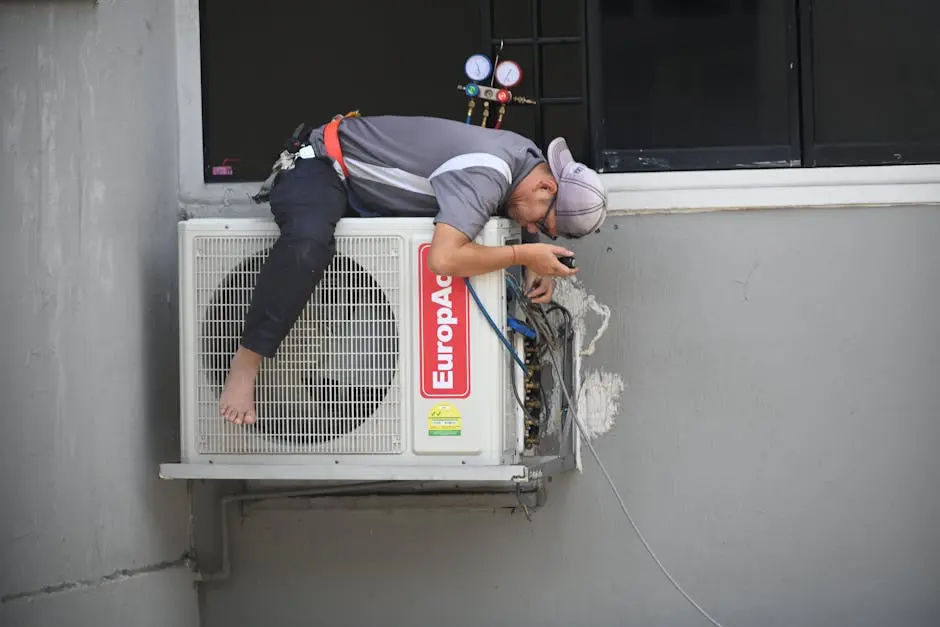
A technician skillfully repairing an outdoor air conditioning unit mounted on a building wall.

Look for Unusual Noises

If your AC unit is making strange noises, such as grinding or squealing, it’s a strong indication that it may need professional attention.

These unusual sounds can indicate loose parts or damaged components. Ignoring these signs can worsen the issue, leading to more significant repairs down the line. Be proactive!

When your air conditioner is functioning correctly, it should operate quietly. If you hear clanging noises, it might be time to call in an expert. Catching these problems early can save you from a total system breakdown.

Listen closely for rattling or hissing sounds as well. Rattling could mean something is loose inside your unit, while a hissing sound may signal a refrigerant leak, which isn’t something to mess with.

Check for Poor Airflow

Weak airflow can signal a clogged filter or a more serious issue with your AC system. Ensure proper airflow for comfort and efficiency.

If you find that some rooms are warm while others are cool, it’s a good indication that your system is struggling. Home temperature imbalances are often tied to restrictive airflow issues.

Checking your filters regularly is a simple task that can make a world of difference. A dirty air filter can block airflow and strain your AC, leading to reduced efficiency and increased wear.

Also, check for any obstructions around your vents. Furniture, curtains, and other items can block airflow, limiting your system’s ability to cool effectively. Moving these obstructions could revive your AC’s performance.

Monitor Energy Bills

A sudden spike in your energy bills without a change in usage could point to an AC problem. Look for inconsistencies in costs over the past months.

Increased energy consumption is often tied to inefficient AC operation, which can stem from a variety of problems. If your bills are trending upward, it might be because your unit is working harder than it should.

Consider tracking your monthly energy usage over several months. If you notice irregular spikes, this could signal that your AC system is facing issues. Addressing these early can lead to significant cost savings.

By staying aware of your energy bills, you can catch problematic trends and act before they become major headaches. It’s not just about cooling your space; it’s about doing so efficiently.

Watch for Leaking Refrigerant

If you notice puddles or leaks around your AC unit, it may be a sign of refrigerant leaking, which requires immediate inspection.

Refrigerant is crucial for your AC’s cooling process, and leaks can lead to inadequate cooling and increased energy bills. If you suspect a leak, don’t delay—call a technician right away.

Additionally, leaking refrigerant not only affects efficiency but can also be harmful to the environment. Addressing refrigerant leaks promptly is essential for the health of both your unit and the planet.

Regular maintenance checks can help spot leaks early, so don’t skip those seasonal inspections. An ounce of prevention is worth a pound of cure!

Pay Attention to Strange Smells

Unusual odors, like burning or moldy smells, can indicate serious issues that need to be addressed to prevent health hazards.

A burning smell may suggest electrical issues or overheating components. If this is the case, turn off your unit immediately and consult a professional to avoid fire risks.

Moldy or musty smells point towards moisture accumulation and potential mold growth within your AC system. This can lead not only to an inefficient unit but also health problems for your family.

Trust your nose! If something doesn’t smell right, it’s crucial to address the issue quickly. Keep your home healthy and your air clean by being aware of these odor signals.

Wrapping Up

By keeping an eye out for these signs, you can ensure that your air conditioning system runs smoothly and efficiently. Remember, timely maintenance can prolong the life of your unit and keep you comfortable throughout the seasons.