
Your Comfort Doesn’t Take the Weekend Off—Neither Do We! Saturday Appointments, Same Price! Book Now

614-389-3283

Book Appointment

15 AC Repair Myths Debunked for Columbus Residents

When it comes to air conditioning, many myths can lead homeowners astray. Let’s clear the air on some common misconceptions that might cause confusion about AC repair. Whether you’re a new homeowner or a long-time resident, understanding these myths can help you make informed decisions about your cooling system.
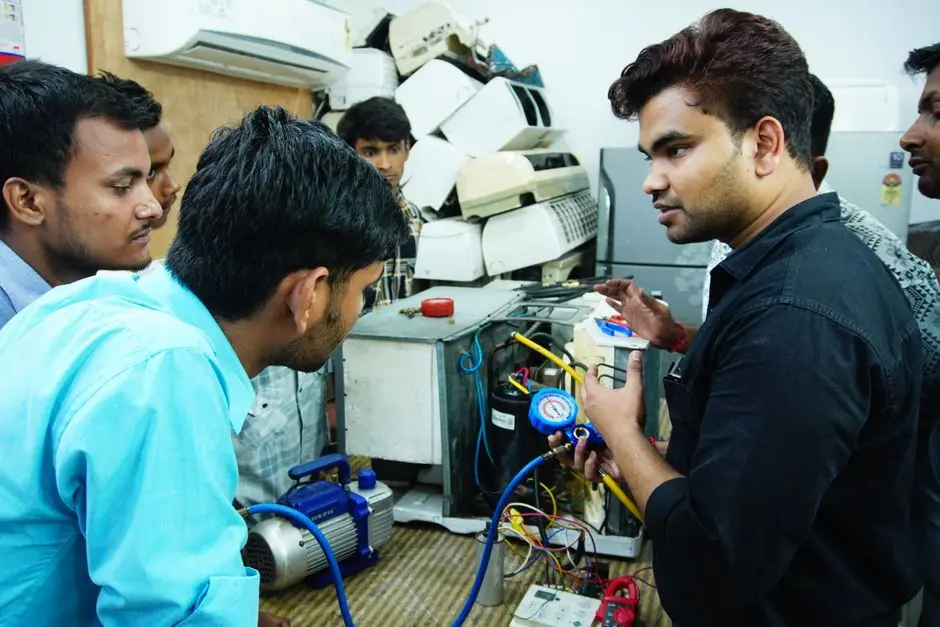
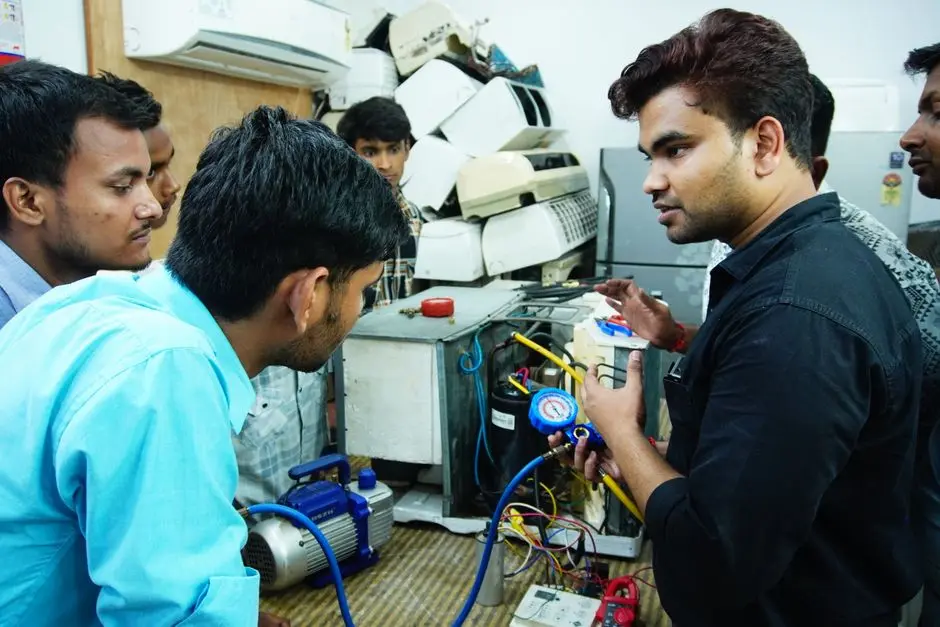
Participants learn AC repair during a hands-on session in Delhi, India.

1. More Refrigerant Equals Better Cooling

Many believe that adding more refrigerant to their AC unit will improve its cooling efficiency. In reality, overcharging an AC can lead to other issues and doesn’t enhance performance. It’s important to maintain proper refrigerant levels, as too much can cause your system to break down, leading to expensive repairs. If you suspect there’s an issue with your refrigerant, it’s best to call in a professional who can check and resolve the matter safely.

A common misconception is that colder air equals better cooling, but that’s not how HVAC systems work. Each unit is designed to operate efficiently at specific refrigerant levels, and altering this balance can lead to complications. So next time you’re tempted to add more refrigerant, think twice and consult an expert instead!

2. Turning Up the Thermostat Saves Energy

Contrary to popular belief, making drastic temperature changes doesn’t necessarily save energy. Gradual adjustments can lead to more efficient cooling. For instance, when you crank up the thermostat significantly, your AC unit has to work longer to return to your preferred temperature. A better approach is to make small, incremental changes that keep your system running smoothly.

It’s worth noting that programmable thermostats can be a fantastic solution, allowing you to set temperatures to adjust automatically when you’re home or away. This means that instead of turning up the thermostat drastically, you can achieve energy efficiency without sacrificing comfort.

3. AC Units Only Need Service If They Break Down

Regular maintenance is crucial. Waiting for your unit to fail before calling for service can lead to more costly repairs down the line. Consider that a well-maintained AC unit runs more efficiently and can extend the lifespan of your system significantly.

It’s a good idea to have your system checked at least once a year. An annual tune-up catches minor issues before they escalate into bigger problems, saving you both troublesome breakdowns and hefty repair bills.

4. All Filters Are Created Equal

Not all air filters are the same. Using high-quality filters can significantly improve your home’s air quality and the efficiency of your AC system. Cheap filters might get the job done for a short time, but they can’t trap allergens and dust effectively, leading to poor indoor air quality.

Investing in a HEPA or other high-efficiency filter can provide noticeable improvements in your home environment. Plus, regularly changing your filter is essential; a clogged filter can reduce airflow, causing your AC to work harder and leading to increased energy bills. Make it a habit to check and replace your filters about every three months for optimal performance.

5. Closing Vents in Unused Rooms Saves Energy

While it may seem logical, closing vents can actually push your system to work harder, leading to potential damage and increased energy costs. This is because when vents are closed, the air pressure builds up within the system, which can lead to ducts bursting or components wearing out more quickly.

Instead of closing vents, focus on improving insulation and sealing drafts in your home. This approach will keep the cool air in where you want it without straining your AC system.

6. New AC is Always More Efficient

Though newer units often boast higher efficiency ratings, poor installation can negate these benefits. Proper installation is key to optimal performance, regardless of the unit’s age. An improperly installed AC can lead to air leaks and inadequate cooling, meaning you won’t benefit from the energy savings a new model promises.

Before you spring for a new AC unit, consider having a professional evaluate your current system. They can help determine if repairs or upgrades may be more cost-effective in the long run, ensuring you get the best cooling solution for your home.

7. You Should Wait Until It’s Hot to Get AC Serviced

Scheduling service in the off-season can lead to better availability and potentially lower costs. Don’t wait until the heat wave hits to have your AC checked out. The best time to get service is in the spring, before the hottest months arrive.

Waiting until the peak of summer rush can not only lead to sweltering conditions but may also leave you with limited options for service and repairs. Think ahead and plan for maintenance early; your future self will thank you when those summer temperatures soar.

8. DIY Repairs Are Just as Good as Professional Service

Attempting DIY repairs can lead to further damage and void warranties. It’s best to leave AC repairs to the experts. While it’s tempting to take matters into your own hands, remember that HVAC systems are complex and require specialized knowledge and tools for effective and safe repairs.

For most people, the risks of DIY repairs far outweigh the potential savings. If something goes wrong, you could be looking at much higher costs to fix damage done inadvertently. Trust your cooling system to a trained professional to ensure your home stays comfortable without the risk!

9. AC Units Can Improve Indoor Humidity on Their Own

While AC units condense moisture, they are not designed to act as dehumidifiers. For excessive humidity, consider additional dehumidification solutions. Many homeowners mistakenly believe that as long as their AC is running, humidity levels will be reasonable. Unfortunately, this often isn’t the case.

If you find that the air feels damp even when your AC is on, it might be time to invest in a standalone dehumidifier. It can help maintain comfort levels and improve air quality by reducing excess moisture in your home.

10. Utilizing Ceiling Fans Can Replace AC

Ceiling fans can complement your AC but cannot replace it entirely. They help circulate air but do not cool it like an AC unit does. In rooms with good airflow, a ceiling fan can make the space feel cooler, allowing you to raise your thermostat a few degrees and save on energy costs.

However, it’s important to remember that ceiling fans don’t lower the temperature of the air. Rather, they create a wind-chill effect that helps you feel cooler. So, while combining both your AC and ceiling fans can lead to optimal comfort, they work best together rather than as replacements for one another.

11. Once You Replace the Filter, You’re Good to Go

Changing the filter is essential, but it’s only one part of regular maintenance. Other services, like cleaning coils and checking ducts, are equally important. Neglecting these vital maintenance tasks can lead to reduced efficiency or even complete breakdowns.

To keep your system in top shape, develop a routine maintenance schedule that includes filter changes, coil cleaning, and duct inspections. This proactive approach will extend the life of your AC and ensure you’re getting the cooling power you expect.

12. All AC Issues are Visible

Many problems can be hidden, such as refrigerant leaks or dirty coils. Annual inspections can help catch these issues before they lead to system failure. Often, by the time noticeable symptoms appear, significant damage may already be done.

A thorough inspection by a qualified technician will not only address the visible components but also the underlying issues that might be lurking out of sight. By ensuring your system is checked regularly, you can avoid major mishaps down the line and enjoy peace of mind knowing your AC is operable.

13. Turning Off the AC When You’re Not Home is Wasteful

While it may seem wasteful, turning off the AC when you’re away can save energy. Smart thermostats can help optimize your cooling cycle, adjusting temperatures based on your presence, ensuring efficiency without sacrificing comfort.

Consider using a programmable thermostat that accommodates your schedule. Lowering the temp when you’re out and cooling the house just before you return can lead to considerable energy savings while keeping your home comfortable.

14. It Doesn’t Matter Where You Install the Thermostat

Thermostat placement matters significantly. Incorrect placement can lead to inaccurate readings and inefficient cooling cycles. For example, installing it near a heat source can cause your system to run longer than necessary, ultimately raising your energy bills.

For optimal performance, place your thermostat away from direct sunlight and drafts, ideally at an interior wall’s center. This ensures it receives an accurate temperature reading, allowing your AC to function effectively when needed.

15. Older Units Can’t Be Energy Efficient

While older AC units may not be as efficient as new ones, regular maintenance can optimize their performance and improve energy usage. Many homeowners assume their older units are beyond help but neglect to realize that with some TLC, they can still offer reliable cooling.

Consider upgrading parts or ensuring that regular check-ups and replacements keep everything in working order. Even far-from-new units can provide great service with the right maintenance plan. By tending to their needs, older systems can function effectively while saving you money on energy bills.