

Keeping your air conditioner running efficiently is key to staying cool, especially during those hot summer months. However, many people make common mistakes that can hinder performance and lead to costly repairs. In this blog, we’ll explore the most frequent air conditioner errors that you should steer clear of to ensure your home stays comfortable without breaking the bank.
1. Neglecting Regular Maintenance
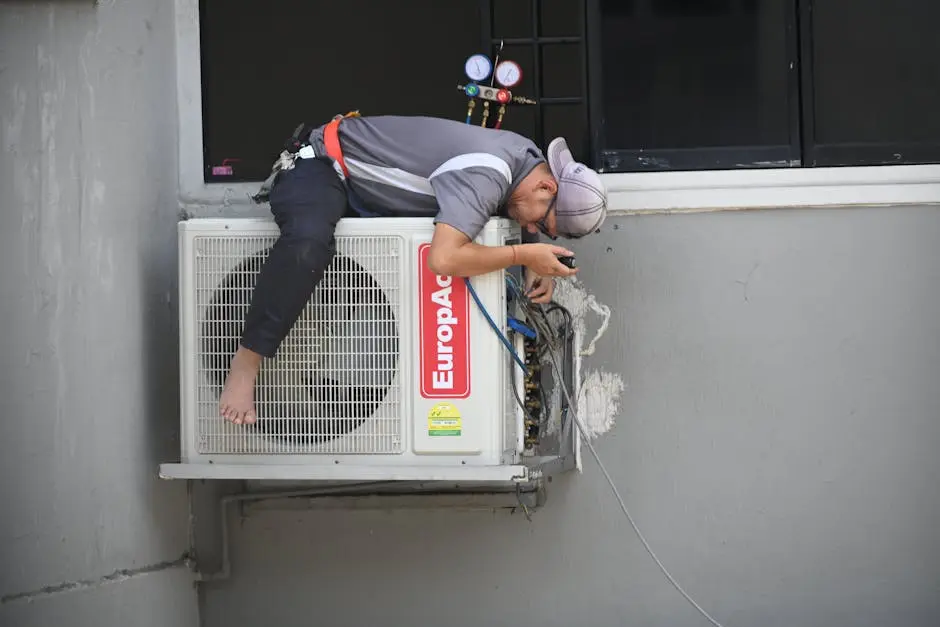
Regular maintenance is crucial for your air conditioner’s health. Skipping seasonal check-ups can lead to bigger issues down the line. Think about it: just like your car needs oil changes to function smoothly, your air conditioner requires similar care. A professional technician can catch problems early, helping you avoid costly emergency repairs. You should schedule a tune-up at least once a year, ideally before summer hits when your system is about to work overtime.
Additionally, don’t forget about the small things! Changing the air filter regularly ensures that your system isn’t working harder than necessary. When a filter is clogged, air cannot move freely, causing the unit to strain itself more, which accelerates wear and tear. A little routine maintenance goes a long way!
2. Overusing the Thermostat
Constantly adjusting the thermostat can create extra strain on your system. Every time you drastically change the temperature setting, your air conditioner has to work harder to reach that new temperature. This constant back-and-forth can lead to higher energy bills and a shorter lifespan for your system. Instead, learn to set it and forget it for better efficiency. A programmable thermostat could be your best ally! By setting it to automatically adjust the temperature based on your schedule, you won’t have to remember to make changes throughout the day.
Remember that a slight difference of a few degrees can still keep you comfortable, while drastically lowering the temp for just a few minutes won’t cool your home any faster. Moderation is key!
3. Ignoring Air Filter Changes
Dirty air filters can clog your system, leading to reduced airflow and increased energy bills. It’s a simple mistake that many homeowners overlook. A clean air filter not only improves the air quality in your home but also allows your system to operate efficiently. The frequency of changing your filter will depend on your system and other factors like pet hair or pollen in your area, but as a general rule, it’s good to check every month.
When you replace the air filter, you’re basically giving your system a breath of fresh air. This small task can make a significant impact, reducing wear and tear, lowering your utility bills, and maintaining a steady flow of crisp and clean air. Set a reminder on your phone to help keep track of when it’s time for a change!
4. Closing Vents in Unused Rooms
Although it may seem intuitive, closing vents can disrupt the balance of your system and lead to additional wear and tear. Some homeowners believe that closing vents in seldom-used rooms will save energy and money, but this strategy can backfire. Your air conditioning system is designed to cool your home based on a specific airflow pattern. Closing vents can create pressure imbalances, causing the system to work harder to push air through the remaining open vents.
Instead of closing vents, consider using ceiling fans in unused rooms to circulate air without straining your AC. Plus, if you need a temperature adjustment, try using the thermostat to achieve a similar effect without compromising your air conditioner’s performance.
5. Using the Wrong Size Unit
Choosing an air conditioner that is too large or too small for your space can drastically affect its performance. An oversized unit cools the space too quickly, leading to increased humidity and making it less effective overall. On the other hand, a unit that is too small will struggle to keep up, continuously running and using excessive energy. This is where a professional assessment can be beneficial, helping you determine the right size for your needs.
When selecting a new unit, consider consulting with an HVAC professional who can perform a load calculation. This involves evaluating your home’s size, layout, insulation, and other factors to ensure that you choose a system that functions optimally.
6. Ignoring Outdoor Unit Conditions
Your outdoor unit needs space to breathe. Obstructions can reduce efficiency, so keep the area around it clean and clear. Over time, leaves, dirt, and debris can accumulate, compromising the airflow around your AC unit. It’s vital to regularly check the area around your outdoor condenser and remove any blockages to maintain optimal functionality.
If you have plants or shrubs near your outdoor unit, trim them back so there’s at least two feet of clearance. This simple action can significantly impact your system’s efficiency and lifespan, not to mention prolong your comfort during the hottest months!
7. Neglecting Insulation
Poor insulation can allow cool air to escape. If your home isn’t properly sealed, you could be wasting energy cooling the outdoors. This means your air conditioner has to work harder, increasing both your energy bills and wear on the system. Check areas such as doors, windows, basements, and attics for drafts that could be letting all that lovely cool air slip away.
Consider adding insulation, sealing gaps, and upgrading windows to ensure your home stays cool. Additionally, curtains or shades can also aid in keeping the heat out, helping your air conditioner maintain a steady temperature.
8. Ignoring Strange Noises and Smells
Any unusual sounds or odors coming from your AC should not be ignored. They could indicate underlying problems that require immediate attention. If you hear clanking, hissing, or any other strange noises, take it as a sign to investigate before small issues become monumental repairs. Similarly, don’t overlook any strange smells; an acrid odor could suggest electrical problems or burnt wires, while a musty smell may indicate mold growth.
Don’t hesitate to call your HVAC professional if something seems off. Remember, it’s always better to be safe than sorry when it comes to the comfort and safety of your home. Addressing these concerns early can save you time, money, and potential risks.