

Your Comfort Doesn’t Take the Weekend Off—Neither Do We! Saturday Appointments, Same Price! Book Now

614-389-3283

Book Appointment

What Should I Do If My Furnace Stops Working?

If your furnace has suddenly stopped working, don’t panic! This guide will help you troubleshoot and resolve the issue in simple, manageable steps. We’ll walk you through what to check first and when to call for professional help.
A close-up shot of vibrant flames enveloping firewood in a brick fireplace.

Step 1: Check the Thermostat

Ensure your thermostat is set to the heating mode and the temperature is set higher than the current room temperature. Batteries may need replacement if it’s digital.

Understanding how your thermostat works is crucial. If it’s programmable, check that the schedule hasn’t inadvertently changed, which might lead to unexpected temperature drops.

Sometimes, simply resetting your thermostat can resolve issues. Turn it off for a minute and then turn it back on to see if it begins to operate correctly.

Thermostat placement matters! Ensure your thermostat isn’t affected by drafts, direct sunlight, or other heat sources, as this can influence its readings and performance.

Step 2: Inspect the Circuit Breaker

Locate your circuit breaker panel and check if the breaker for your furnace has tripped. Reset it if necessary.

If the circuit breaker for your furnace keeps tripping, it may indicate a bigger problem. Over time, electrical components can wear out and require professional evaluation.

Understanding the labeling on your circuit breaker can save you time. Each switch is typically marked, allowing you to quickly find and assess your furnace’s breaker.

Don’t forget to inspect for any signs of damage or burnt smells around the circuit breaker. These could indicate electrical issues that certainly require a trained professional’s assessment.

Step 3: Check the Furnace Filter

A clogged filter can restrict airflow. Remove and inspect your filter; replace it if it’s dirty or hasn’t been changed in a while.

Regularly checking and replacing your furnace filter is essential to maintaining efficiency. A clean filter can improve airflow and save you money on energy bills.

Be aware of different types of filters; some may last longer than others. Always follow the manufacturer’s recommendations for your specific furnace model.

If it’s been several months since your last filter check, the blocked airflow could be the very reason your furnace has slowed down. Make filter maintenance part of your seasonal routine!

Step 4: Look for Error Codes

Many modern furnaces have diagnostic lights that can indicate the problem. Refer to your owner’s manual to decode any signals.

These lights are designed to provide quick information. If you see a continuous blinking light or a specific color, your owner’s manual will guide you on what the error means.

Understanding your furnace’s error codes can save you from confusion. Some codes denote simple fixes, while others may indicate the need for a professional’s expertise.

If you’re having trouble finding your manual or decoding the error codes, a quick online search can often yield helpful information specific to your furnace model.

Step 5: Call a Professional

If you’ve completed the initial checks and your furnace is still not working, it might be time to contact a heating professional for further diagnosis and repair.

It’s easy to overlook the complexity of modern heating systems. When in doubt, don’t hesitate to seek help. Trained professionals can pinpoint issues that may not be obvious to the average homeowner.

Remember, safety comes first! If at any point you feel uncomfortable, or if there are signs of gas leaks, contact a professional immediately to ensure your safety.

When you do call a professional, be prepared to share the details of your troubleshooting efforts. This information can help the technician assess the situation more effectively.

Final Thoughts on Furnace Repair

In summary, dealing with a non-working furnace is stressful, but knowing the right steps to take can make it easier. Always prioritize safety and don’t hesitate to call a professional if you’re unsure about any step. We’ll ensure your home stays warm and comfortable!
Choosing the Right Air Purifier for Your Columbus Home

In today’s world, ensuring our home is filled with clean air is more important than ever. With a variety of air purifiers available, it can be overwhelming to narrow down the best option for your needs. This guide will help you navigate the process of selecting the right air purifier specifically tailored for your Columbus home.
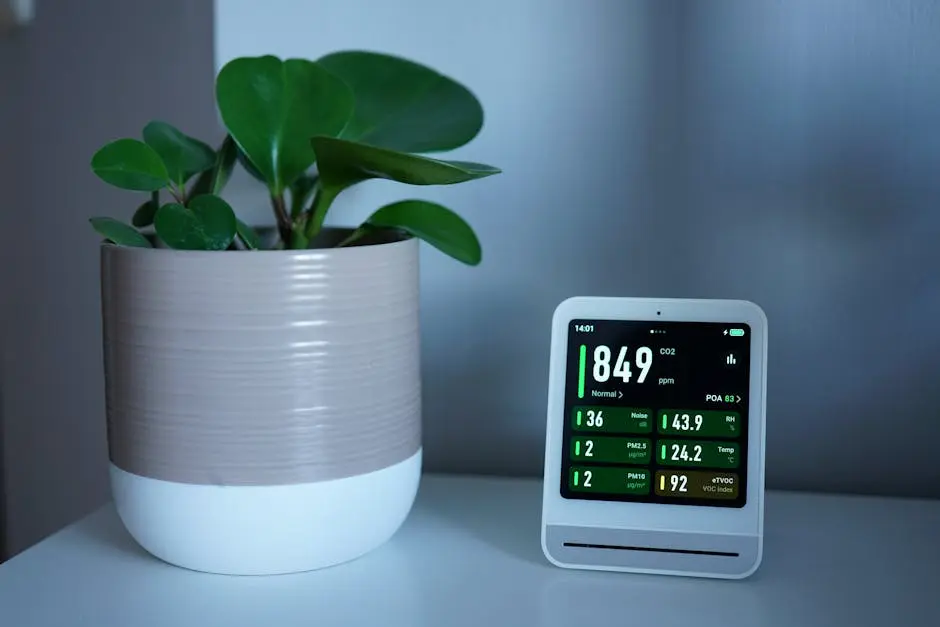
Air quality monitor next to a potted plant on a desk, showing CO2 and PM2.5 levels.

Understanding the Importance of Air Quality

Air quality impacts our health and well-being. Learn why investing in an air purifier is essential for your Columbus home, particularly for allergy sufferers or families with young children.

Poor air quality can lead to a host of health issues, including respiratory problems and allergies. In cities like Columbus, where pollen counts and pollution levels can rise, having an air purifier becomes not just a luxury, but a necessity. This is especially true in households with pets or smokers, where secondhand smoke and dander can linger in the air, exacerbating allergy symptoms. The air purifier effectively captures these pollutants, creating a cleaner and safer environment for your loved ones.

Moreover, the importance of maintaining indoor air quality has gained newfound recognition, especially in light of recent health crises. With a reliable air purifier, you can breathe easier knowing that you are taking proactive steps to safeguard your family’s wellbeing against airborne viruses and pollutants. As we continue to educate ourselves about air quality, investing in an effective air purifier will empower you to enhance not only your comfort but also your overall health.

Types of Air Purifiers Available

From HEPA filters to activated carbon and UV light purifiers, understand the different types available and how each functions to clean the air effectively.

When it comes to air purifiers, not all devices are created equal. The most common type you’ll encounter is the HEPA filter, renowned for its ability to trap 99.97% of particles 0.3 microns or larger. This makes it a fantastic choice for those suffering from allergies or asthma. However, if odors or chemical vapors are a concern, activated carbon filters excel at adsorbing these unwanted smells and gases, ensuring that your home not only feels clean but also smells fresh.

Another innovative option is the UV light air purifier, which aims to kill bacteria and viruses using ultraviolet light technology. While it doesn’t necessarily filter out particulates like HEPA filters do, it adds an extra layer of safety, especially in homes with vulnerable individuals. Additionally, some air purifiers combine HEPA and carbon filtration with UV light, providing comprehensive air cleaning solutions. As you explore these options, consider the specific pollutants you’re aiming to eliminate and select a purifier designed to address your unique challenges.

Sizing Your Air Purifier for Optimal Performance

One size does not fit all. Discover how to choose an air purifier that matches the size of your rooms for maximum efficiency.

So, how do you choose the right size air purifier for your Columbus home? Start by measuring the square footage of the rooms where you wish to use the purifier. Each model will have a recommended coverage area, typically indicated in square feet. For optimal performance, select a unit that exceeds your room’s size to ensure it can efficiently circulate and purify the air without overworking its system.

It’s also worth noting that room layout matters. If you have an open-concept space or a room with unusually high ceilings, you might need a more powerful model to account for the added volume of air. Furthermore, consider the placement of your air purifier. Position it in a central location or near sources of pollution, like pet areas or smoking zones, to maximize its effectiveness. By carefully selecting the right size and placement, you’ll be on track to enjoy cleaner air throughout your home.

Key Features to Consider When Buying

Explore the essential features like filter lifespan, noise levels, and smart technology that can enhance your air purification experience.

When buying an air purifier, it’s important to investigate key features that will enhance your usage experience. Filter lifespan is a significant consideration; you don’t want to be constantly replacing filters. Some high-quality air purifiers offer long-lasting filters that can last up to 12 months, reducing maintenance hassle and saving you money in the long run. Additionally, pay attention to noise levels. If you plan to run the unit throughout the night, opt for models designed to operate quietly to ensure a peaceful sleeping environment.

Another modern capability to explore is smart technology integration. Many new air purifiers come equipped with Wi-Fi-enabled features that allow you to control your device remotely using your smartphone. This makes it easy to monitor air quality levels and adjust settings on the go, providing you with flexibility and convenience. By focusing on these features, you can make a purchase that not only fits your air quality needs but also aligns with your lifestyle.

Maintenance Tips for Your Air Purifier

Learn about routine maintenance, including filter replacement and cleaning tips, to keep your air purifier running smoothly for years to come.

To ensure your air purifier consistently performs at peak efficiency, regular maintenance is key. Start by developing a schedule for filter replacement based on the manufacturer’s recommendations. Typically, HEPA filters should be replaced every 6 to 12 months, but this can vary depending on usage and the air quality in your area. Remember, a clogged filter not only reduces efficiency but can also release trapped pollutants back into your living space!

Besides filter replacements, take the time to clean the outer surfaces of the purifier periodically. Dust and grime can accumulate over time, reducing its efficacy. Similarly, check any pre-filters that may require cleaning alongside your main filters. Many modern units offer indicator lights to alert you when maintenance is due, making it easier than ever to stay on top of upkeep. With these simple tips, your air purifier can provide you with clean, healthy air for many years ahead.

Where to Purchase Your Air Purifier in Columbus

Find out where you can buy the best air purifiers in Columbus, from local stores to online options, ensuring you get the best deal.

When it’s time to invest in an air purifier, knowing where to buy can either make or break your experience. In Columbus, you’re fortunate to have several options, from popular retail chains like Home Depot and Best Buy to specialty stores that offer personalized assistance. These local retailers often have knowledgeable staff who can guide you toward the right model for your home, providing insight that online shopping simply can’t match.

On the other hand, don’t underestimate the convenience and variety available through online platforms. Websites like Amazon and Walmart offer extensive selections of air purifiers, often accompanied by customer reviews that can help you make a more informed decision. Plus, with competitive pricing and occasional discounts, shopping online can save you both time and money. Regardless of your shopping preference, ensuring you compare models, prices, and features from multiple sources will help you find the perfect air purifier for your Columbus home.

Final Thoughts on Your Air Quality Journey

Choosing the right air purifier can significantly improve your indoor air quality and overall health. By considering your specific needs and understanding the features available, you will be better equipped to make an informed decision that suits your home environment. Remember, clean air is a key step toward a happier, healthier life.

7 Essential Gas Furnace Maintenance Tips for Ohio Winters

As the chilly winds of winter roll into Ohio, ensuring your gas furnace is in top shape is crucial for keeping your home warm and cozy. Regular maintenance not only enhances efficiency but also extends the lifespan of your furnace. In this blog post, we’ll explore seven essential maintenance tips that will help you prepare for the cold months ahead, ensuring your gas furnace runs smoothly and efficiently.
Detailed view of industrial steel pipes and a gas meter on a brick wall.

1. Check Your Air Filters Regularly

Dirty air filters can restrict airflow and reduce the efficiency of your gas furnace. Make it a habit to check and replace them at least every three months, especially before winter hits.

Not only that, but a clogged air filter can lead to unnecessary strain on your system. Think of your furnace like your lungs; it needs clean air to operate effectively. In overworked furnaces, you may notice fluctuations in temperature or even strange noises, hinting at deeper issues. Regularly checking the filters not only helps maintain efficient operation but also boosts indoor air quality, creating a healthier environment for you and your family.

2. Inspect Your Thermostat Accuracy

An inaccurate thermostat can lead to discomfort and wasted energy. Test your thermostat settings regularly to ensure your furnace heats your home to the desired temperature.

Calibration can slip over time, and every degree matters. Did you know that a miscalibrated thermostat can push your energy bills up significantly? A simple test to see if the reading matches the actual room temperature can save you money and enhance your comfort. If you find discrepancies, consider adjusting it or even replacing it with a more modern digital thermostat that can offer more precise control and additional features, such as programmable energy-saving settings.

3. Clear the Area Around Your Furnace

Ensure that there’s a clear space around your furnace by removing any clutter or debris. This not only helps with airflow but also minimizes fire hazards.

A clean space allows your furnace to breathe, literally. If your gas furnace is surrounded by boxes, stored items, or even excess dust, it can struggle to function properly. This can lead to overheating and potentially costly repairs. Moreover, maintaining a tidy area encourages safety, reducing fire risks associated with flammable materials. Make it a seasonal ritual to check this area, ensuring a warm and safe atmosphere in your home during those blistering winter months.

4. Schedule Annual Professional Inspections

Enlist a professional technician for a yearly inspection. They will check for gas leaks, inspect components, and ensure everything is functioning optimally.

While DIY maintenance is essential, nothing beats the thoroughness of a professional’s eye. They can identify issues that might go unnoticed, ensuring that your furnace is not just running but running safely and effectively. Think of this as the annual check-up for your furnace—just like you’d visit your doctor to maintain your health. Regular professional inspections can also extend the life of your furnace, give you peace of mind, and potentially even lower your heating bills.

5. Test Your Carbon Monoxide Detectors

Safety is paramount when it comes to gas furnaces. Regularly test and replace batteries in your carbon monoxide detectors to protect your family from any potential dangers.

Carbon monoxide is a silent killer, making consistent testing of your detectors crucial. Many experts recommend a monthly check, especially during peak furnace use in winter. You can’t rely solely on the detectors; changing the batteries and checking the expiration date is essential too. Installing detectors near sleeping areas adds an extra layer of protection, ensuring you’re alerted the moment trouble arises. Simple checks and vigilance can save lives, making safety a priority amidst the chill of winter.

6. Lubricate Moving Parts

Lubricating moving parts of your furnace, such as the blower and motor, can reduce wear and tear. A simple lubrication can enhance efficiency and prolong the life of your furnace.

Over time, components can become dry and less efficient. Think of this process as giving your furnace a smooth operation—a little grease here and there can drastically improve performance. Check your owner’s manual for specific lubrication points and recommended products. If done annually, this maintenance tip ensures that the moving parts function seamlessly, reduces noise, and boosts overall reliability, especially during the coldest months when you need your furnace the most.

7. Inspect the Ventilation System

Check the ventilation system for blockages or leaks. Proper ventilation is essential for a safely operating gas furnace, so ensure there are no obstructions.

If you notice any unusual smells or increases in energy bills, it might be worth taking a closer look at your ventilation setup. Obstructed vents can lead to inadequate heating and, worse, can allow harmful gases back into your home. Regularly inspect vents for any signs of blockage, and keep a close watch on your exterior flues. Ensuring that your gas furnace has proper ventilation is not just about efficiency; it’s about safety.

8 Tips for a Smooth Furnace Repair Experience in Dublin and Powell

Furnace repairs can often be an unexpected hassle, but with a little preparation and knowledge, you can make the process smooth and stress-free. Whether you’re dealing with a minor issue or a significant breakdown, these tips will guide you through every step of the way.
Charming indoor setting with a rustic fireplace, firewood, and woven baskets, evoking warmth and comfort.

1. Know When to Call a Professional

Understanding the signs that indicate a furnace issue is crucial. Look out for unusual noises, smells, or fluctuating temperatures. For instance, if you hear strange rattling or banging, it’s more than just an annoying sound; it could signify a more serious problem that needs immediate attention.

Moreover, pay attention to the heat output from your furnace. If certain rooms are significantly cooler than others, this might indicate an airflow problem. Early detection can save both time and money on repairs, so don’t hesitate to act if you notice these symptoms.

2. Research Repair Services in Your Area

When it comes to finding reputable repair services in Dublin and Powell, a little legwork can go a long way. Begin by searching online for local providers, but don’t just rely on search results; dive into customer reviews and testimonials. These insights can give you a clearer picture of who you can trust with your furnace repair.

Additionally, reaching out to friends, family, or neighbors for recommendations can be invaluable. Personal experiences can often guide you toward excellent service providers. A well-reviewed company in your area likely has a track record of satisfaction, setting your mind at ease as you make your choice.

3. Get Multiple Estimates

Don’t settle for the first quote you receive. Obtain several estimates to compare prices and services, helping you make an informed decision. This practice not only empowers you but also helps you understand the typical price range for your repair needs.

Once you have these estimates, assess them carefully. Look for hidden fees or unnecessary services. A transparent company will provide a detailed breakdown of costs, allowing you to gauge whether the price is fair for the work required. Remember, the cheapest option isn’t always the best; weigh the value of service and expertise.

4. Prepare Your Home for the Technician

Before your scheduled appointment, clear the area around the furnace and ensure access is easy for the technician. This can save time and help with the repair process. Imagine the frustration of having to navigate around obstacles during a repair; clearing the space is a simple yet effective step to facilitate the service.

You might also want to provide your technician with any information or documentation about previous repairs or maintenance. This context can assist them in identifying the problem more quickly, allowing for a more efficient service. Ultimately, a little preparation can make a big difference in the ease of the repair process.

5. Ask Questions

Don’t hesitate to ask your technician questions about the repair process, costs, and timeline. Ensuring that you understand the work being done can prevent misunderstandings later. For example, asking about the nature of the repairs can shed light on what to expect in terms of time and costs.

Engaging your technician in conversation not only informs you but also fosters a good working relationship. This interaction can provide you with insights into the condition of your furnace and what preventive measures you can take moving forward, enhancing both your understanding and peace of mind.

6. Understand Repairs Versus Maintenance

Differentiate between necessary repairs and regular maintenance. Knowing this can help you prioritize and budget effectively for furnace care. Regular maintenance consists of tasks like filter changes and system checks, whereas repairs are often reactive measures taken when something goes wrong.

Understanding your furnace’s needs can empower you to take proactive steps. This will not only extend the life of your unit but will also make you a more informed homeowner. Investing in maintenance can lead to fewer unexpected breakdowns, offering you greater peace of mind.

7. Follow Up After Repairs

Once repairs are completed, inquire about any warranties or guarantees. Following up can ensure that your furnace runs optimally post-service. A reputable repair service should stand by their work, giving you that added assurance that you are covered should issues arise sooner than expected.

Don’t forget to ask about recommendations for future maintenance. Understanding how to look after your furnace post-repair can significantly improve its longevity and performance. This proactive approach ensures your home remains comfortable, regardless of the season.

8. Maintain Regular Check-Ups

Schedule periodic maintenance checks to prolong the life of your furnace. Regular upkeep is key to preventing unexpected repairs in the future. Think of it as a health check-up for your furnace; just like you wouldn’t skip your doctor’s appointment, your furnace deserves the same attention.

These check-ups can help identify minor issues before they escalate into significant repairs. Plus, they often come with professional insights on how to keep your system running efficiently, which can save you money on your energy bills. Embracing this routine can lead to a happier home environment.