
Your Comfort Doesn’t Take the Weekend Off—Neither Do We! Saturday Appointments, Same Price! Book Now

614-389-3283

Book Appointment

7 Signs You Need AC Repair in Your Home

When the heat of summer rolls in, your air conditioning system becomes your best friend. But what happens when it starts showing signs of trouble? Knowing when to seek AC repair can save you from discomfort and costly damage. Here are some telltale signs to watch for that indicate your home’s cooling system may need a professional touch.
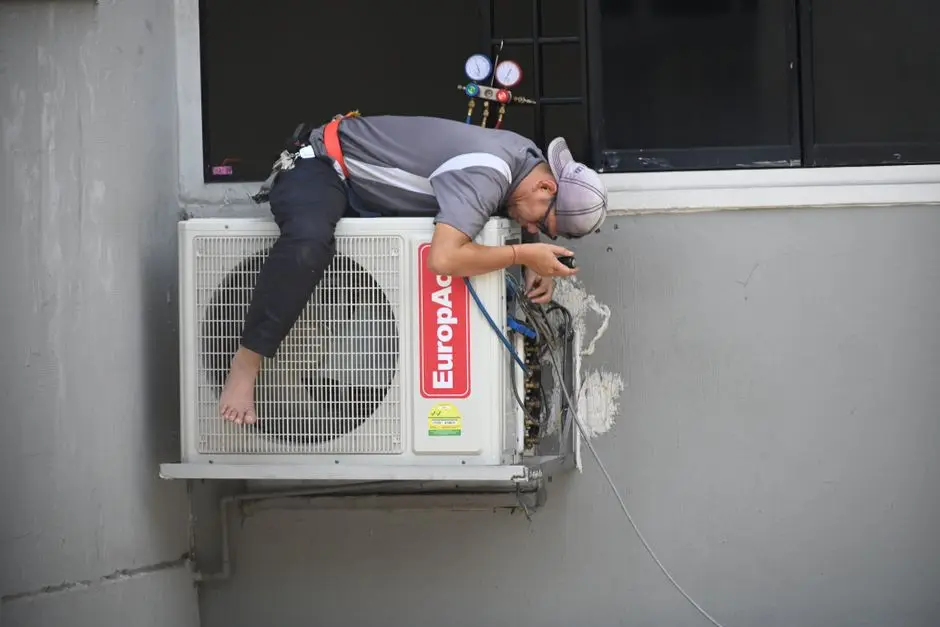
A technician skillfully repairing an outdoor air conditioning unit mounted on a building wall.

1. Unusual Noises Coming from Your AC Unit

If you hear strange sounds like grinding, squealing, or banging from your AC unit, it’s a clear sign that something is not right. These noises can indicate loose or damaged parts that may require immediate attention.

Ignoring these unusual sounds could lead to more significant problems. For instance, a persistent banging noise might mean that internal components are hitting each other due to wear, which can also lead to compressor failure. Be proactive! Always pay close attention to your AC, and if you notice such sounds, it’s best to call an AC repair professional. They can swiftly diagnose the problem and implement the necessary fixes.

Remember, the longer you let it go unresolved, the more costly the repairs may become. Your AC should hum along quietly, like a well-oiled machine. So, let those strange noises be your reminder; they’re your unit’s way of saying, ‘Help me!’

2. Inconsistent or Insufficient Cooling

Does it feel like some rooms are cooler than others? Or maybe your AC just isn’t cooling as effectively as it used to? Inconsistent cooling can signal issues with ducts or the compressor that need a professional fix.

It’s incredibly frustrating when your AC unit is working hard but not delivering the relief you need. This inconsistency could relate to blocked ducts, which restrict airflow, or a failing compressor that can’t distribute cool air effectively. It may not seem urgent, but this symptom can indicate various underlying issues that could worsen over time.

Having professionals assess your system can pinpoint the exact cause of the cooling discrepancies. They may clean your ducts or replace parts of the compressor, ensuring your home remains a patchwork of pleasant temperatures rather than hotspots.

3. Foul Odors When the AC is Running

When you turn on your AC and unpleasant odors waft through your house, it could indicate mold growing in the system or electrical issues. Both problems require professional attention and shouldn’t be ignored.

Foul smells can be not only a nuisance but also a health concern. Mold thrives in humid conditions, and if your AC has developed a mold problem, the air you breathe could worsen allergies and respiratory issues. Furthermore, burnt or electrical smells often suggest serious issues that, if left unattended, could lead to fire hazards. It’s essential to act quickly!

As soon as you detect an unpleasant odor, don’t hesitate to call an AC repair service. They will inspect and clean the internal components, ensuring your AC not only functions properly but also keeps the air in your home healthy and fresh.

4. Increased Energy Bills

If your energy bills have spiked without any increase in usage, your AC might be working harder than it should. This can be due to inefficiencies in the unit, signaling that repair is necessary to restore efficiency.

An unexpected rise in energy costs can be frustrating. When your cooling system is not operating at peak performance, it can pull more electricity than usual. Various issues, such as dirty filters, low refrigerant levels, or mechanical failures, can all contribute to this inefficiency.

Moreover, sometimes the components that keep your AC running effectively may deteriorate over time, leading to increased strain. A maintenance check can discover these inefficiencies, allowing you to correct them and potentially save money on your future bills.

5. Frequent Cycling On and Off

When your air conditioning unit frequently turns off and on, it’s known as short cycling. This can lead to unnecessary wear and tear on the system, and it’s often a sign that something is malfunctioning.

Short cycling places a strain on your system that can lead to premature breakdowns. It may stem from a dirty air filter, which restricts airflow or an improperly sized AC unit struggling to cool your space. The longer this continues, the more damage it can cause—often resulting in costly repairs.

If you spot this behavior in your AC, don’t delay in getting a technician involved. Addressing the issue early can save you from more serious problems down the line. Remember, a well-functioning air conditioner should run steadily without the jarring interruptions of short cycling.

6. Leaking or Pooling Water

If you notice water pooling around your AC unit or leaks from the system, it’s a sign that your drain line is clogged or there are refrigerant issues. Both problems can lead to significant damage if not addressed quickly.

Water pooling not only indicates a malfunction in your AC but can also pose a threat to your home. Such leaks can lead to water damage, mold growth, and more costly repairs if the problem persists. If the refrigerant is the culprit, you risk damaging the entire system as well. Better to act quickly than to let a little water turn into a big issue!

Please keep a lookout for these telltale signs and call your AC professional at the first hint of trouble. They’ll be able to clear any clogs, repair leaks, and get your unit back on track, all while protecting your home from unwanted water damage.

7. Age of Your Air Conditioning Unit

Most air conditioning units have a lifespan of about fifteen to twenty years. If your unit is approaching this age and you’re experiencing any of the above signs, it may be time to consider repairs or even a replacement.

As your AC ages, its efficiency may diminish, making it more susceptible to breakdowns. Older units need more maintenance and repair, and often, the cost of these repairs can overshadow the price of investing in a new unit. If you’ve seen several warning signs and your unit feels like it’s on its last leg, consider this your cue.

Getting a professional assessment can help you weigh the pros and cons of repair versus replacement. A well-informed decision can save you money in the long run, keeping your home cool without the fear of sudden failure.

10 Common Furnace Repair Issues and How to Solve Them

Furnaces are essential for keeping our homes warm during the chilly months, but they can sometimes act up when we need them the most. Understanding common furnace problems can help you troubleshoot effectively before calling in a professional. Let’s dive into the most frequent furnace repair issues and discover how to tackle them.
A vibrant scene of an industrial forge with glowing metal and fierce flames, showcasing metalworking.

1. Inefficient Heat Production

When your furnace struggles to heat your home efficiently, it may indicate a dirty filter or blocked ducts. Regular maintenance like changing filters can improve performance significantly. In addition, checking the ductwork for any leaks or obstructions will help ensure all that warm air circulates properly throughout your home.

Keep in mind that older furnaces may not be as efficient. If your unit is past its prime, consider consulting a professional about potential upgrades. Newer models are designed with energy efficiency in mind and can save you money on heating costs in the long run.

2. Frequent Cycling

If your furnace frequently turns on and off, it could be a sign of an oversized unit or issues with the thermostat. Ensuring your thermostat is placed correctly can help regulate temperature more consistently, eliminating those frustrating on-and-off cycles. Sometimes, simply recalibrating your thermostat can enhance its accuracy.

Another reason for frequent cycling could be improper airflow. Dirty filters and blocked vents can lead to inadequate airflow, making your furnace work harder than necessary. By taking simple preventive steps, you can improve both comfort and efficiency.

3. Strange Noises

Unusual noises like rattling or banging can indicate loose parts or mechanical issues. Identifying the source of these noises early can prevent more severe damage. For instance, a simple tightening of loose screws can often resolve rattling, while banging could mean there’s an issue with the blower motor.

If you hear a hissing sound, it might be worth checking for air leaks in the ducts. Any strange noise is a clue that something might need your attention. Ignoring these sounds could lead to more expensive repairs down the line, so it’s best to address them as soon as they arise.

4. Inconsistent Temperatures

If some rooms are getting too hot while others remain cold, it might be time to investigate ductwork or insulation issues. Balancing dampers can also help distribute heat evenly, ensuring that every corner of your home is comfortable. Sometimes, it could simply be a matter of furniture blocking airflow, which is an easy fix!

Also, check your thermostat settings. If it’s set to ‘auto’ but not functioning correctly, you might experience temperature fluctuations. Consider using a smart thermostat, which can learn your habits and adjust settings accordingly for more consistent heating.

5. Yellow or Flickering Flame

A yellow or flickering pilot light can indicate incomplete combustion, potentially leading to carbon monoxide concerns. It’s crucial to address this issue promptly by calling a technician. Not only is carbon monoxide dangerous, but it also signifies that your furnace isn’t operating efficiently.

For your safety, invest in a carbon monoxide detector and ensure it functions properly. Regular inspections can also help catch such issues early, giving you peace of mind while keeping your home warm and comfortable.

6. Odors and Smells

Strange smells can arise from issues like burnt dust or gas leaks. While burnt dust is generally harmless, any gas odor should be treated as an emergency—evacuate the area and call for help immediately. Additionally, having your furnace inspected annually can help prevent such problematic odors from manifesting.

Remember, a proactive approach to maintenance is always better than dealing with a crisis. Making sure your furnace is clean can significantly reduce the occurrence of unpleasant smells, keeping your home healthy and inviting.

7. Condensate Drain Blockage

If your furnace is leaking water, the condensate drain may be clogged. Clearing this blockage should resolve the issue, but persistent problems indicate a need for professional assistance. Regularly checking and cleaning the condensate drain can save you significant trouble down the line.

Do note that a blocked drain can cause serious water damage. Therefore, keeping an eye on this component during routine maintenance checks can help avoid costly repairs and ensure that your heating system runs smoothly all winter long.

8. Pilot Light Issues

A pilot light that won’t stay lit suggests an issue with the thermocouple, which may require replacement or adjustment by a professional. It’s crucial not to ignore this problem as it directly affects your furnace’s ability to heat your home. A technician can quickly diagnose and fix the issue, allowing you to return to comfort.

Additionally, if you’ve recently made adjustments to your furnace, ensure that all settings are correct. Minor tweaks can sometimes solve major problems without needing extensive repairs.

9. Thermostat Malfunctions

When your thermostat stops responding, checking the batteries or recalibrating it could solve the issue. If problems persist, consider replacing it with a more reliable model. Modern digital thermostats offer enhanced accuracy and can help you manage energy consumption more effectively.

Moreover, many new thermostats come with features that allow remote monitoring and control, which can be incredibly convenient for busy homeowners. Embracing new technology can make your heating management a breeze.

10. Furnace Age and Maintenance

An aging furnace may simply need replacement instead of repair. Regular maintenance can extend its lifespan, but knowing when to let go is crucial for safety and efficiency. If you find yourself calling for repairs more frequently, it might be time to consider investing in a newer, more efficient unit.

A new furnace can not only enhance your comfort but also lead to lower energy bills thanks to improved efficiency ratings. If you’re concerned about the cost, many energy companies offer rebates for energy-efficient upgrades, making it significantly more affordable.

When is it Time to Call for AC Repair?

Air conditioning units are essential for keeping our homes comfortable, especially during the hot summer months. However, knowing when to call for AC repair can be tricky. In this blog post, we’ll explore some of the key signs that your air conditioner might need professional attention, ensuring that you stay cool and comfortable all season long.
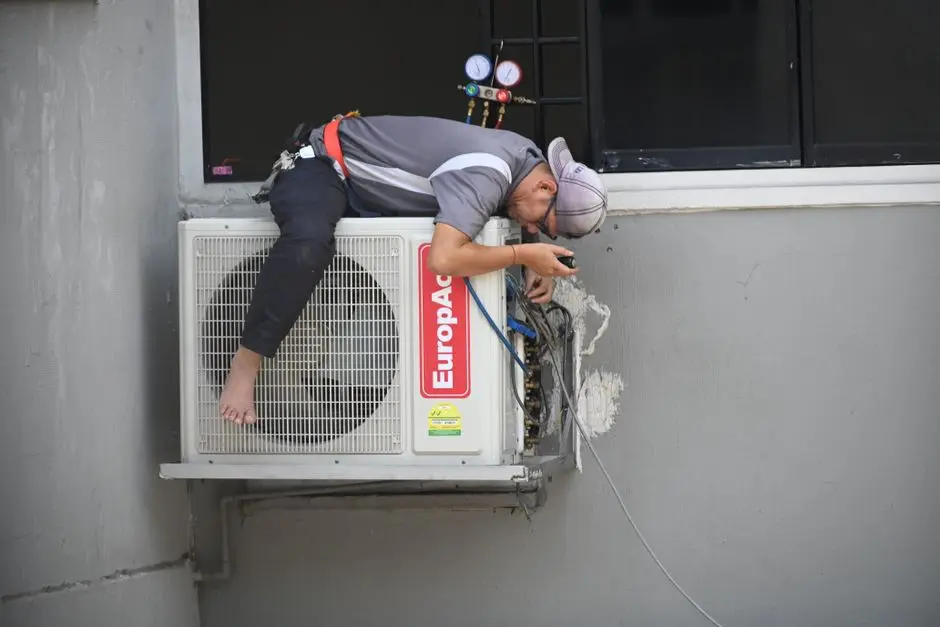
A technician skillfully repairing an outdoor air conditioning unit mounted on a building wall.

Common Signs That Your AC Needs Repair

There are several signs that suggest your air conditioning unit may need repair, such as unusual noises, poor airflow, and strange odors. Recognizing these indicators early on can prevent further damage.

One of the first things to look out for is the performance of your AC. If you find that it’s running continuously without reaching the desired temperature, this could be a clear indication that something is off. Unfortunately, ignoring this sign can lead to bigger issues down the line—especially during those sweltering summer days.

Additionally, noticing water leaks around your AC unit is another important red flag. This could indicate a clogged drain line or a refrigerant leak—both of which require timely attention. Leaking water can lead to mold growth and structural damage, so don’t hesitate to investigate further.

Unusual Noises: What Do They Mean?

If your AC is making banging, hissing, or buzzing sounds, it might be time to call a professional. Each noise can indicate different problems, from loose parts to refrigerant leaks. For instance, a hissing sound may suggest a refrigerant leak, while a banging noise could mean a loose or broken component inside the unit.

Moreover, squealing or high-pitched noises can indicate a problem with the motor or fan belts. It’s crucial to pay attention to these sounds; neglecting them can lead to significant, more costly repairs later on. The sooner you can identify the source of the noise, the quicker you can resolve the issue.

In many cases, these unusual noises will not just dissipate on their own. Instead, they serve as a call to action. When you hear persistent strange noises, it’s not just an inconvenience—it’s your air conditioner trying to tell you that it needs attention.

Temperature Inconsistencies in Your Home

If you notice that some rooms are hotter or cooler than others, it could signal a problem with your HVAC system. When the temperature varies significantly across different areas of your house, it’s often a sign that your air conditioning system is struggling to maintain a consistent temperature.

This inconsistency can be caused by various factors, including blocked ductwork, improper insulation, or issues with your thermostat. Take note of these temperature differences; knowing which rooms are affected can help a technician diagnose the issue more effectively. It might also be worth checking whether windows are open or if curtains are blocking airflow.

Understanding these inconsistencies is crucial in identifying when it’s time to seek help. If certain areas never seem to cool down, you should definitely consult an expert. After all, your comfort should not come at the cost of having multiple fans scattered around your home.

High Energy Bills: A Red Flag

Sudden spikes in your energy bills can often be traced back to an inefficient AC unit. Understanding how your air conditioner impacts your energy consumption is crucial in recognizing repair needs. If your energy bills seem to soar without any change in usage patterns, it’s time to investigate.

An air conditioning system working harder than necessary often results from clogged filters or failing components. When these parts malfunction, they cause your unit to consume more energy than required. Not only could this lead to a breakdown, but it also means you’re paying more each month just to keep your home cool.

To assess the situation, keep an eye on your energy bills over a few months. If you notice a pattern of rising costs, coupled with any of the other signs discussed, it’s best to call for AC repair before the problem escalates further. Early action could make all the difference.

The Importance of Regular Maintenance

Regular maintenance can help catch small issues before they become major repairs. Think of it like getting routine check-ups for your health; the same idea applies to your air conditioning system. Addressing minor fixes early can save you time, money, and the discomfort of an unexpected breakdown.

One of the simplest steps homeowners can take is to regularly replace or clean their AC filters. A dirty filter restricts airflow, which causes your unit to work harder. Taking this simple action can prevent many repairs, ensuring that your air conditioning stays efficient.

It’s also wise to schedule an annual professional maintenance check. Technicians can spot potential issues that a homeowner might overlook. They can clean the coils, check refrigerant levels, and ensure all essential components are functioning well. This proactive approach not only prolongs the life of your unit but also helps in maintaining your cool and comfortable living space.

DIY Troubleshooting Before Calling a Technician

Sometimes, small problems can be solved without a professional. We’ll provide tips on what homeowners can check before calling for AC repair, saving you time and money. For instance, if your air conditioner isn’t blowing cool air, the first step is to check if the thermostat is set correctly and if the power is on.

Another easy fix could be inspecting your air filters. If they are dirty or clogged, simply cleaning or replacing them can make a world of difference. This simple task can revitalize your system’s efficiency and performance, preventing larger issues down the line.

These quick checks can provide immediate relief and may eliminate the need for a technician. However, if issues persist or worsen, it’s essential to seek professional help sooner rather than later to avoid more significant repairs.

Stay Ahead of the Heat

By keeping an eye out for these warning signs and understanding when it’s time to call for AC repair, you can save yourself from bigger problems and unnecessary expenses down the line. Regular maintenance and prompt repairs will keep your air conditioning unit running smoothly so you can enjoy a cool home without any hassle.