

Your Comfort Doesn’t Take the Weekend Off—Neither Do We! Saturday Appointments, Same Price! Book Now

614-389-3283

Book Appointment

How to Enhance Air Quality Through Proper AC Repair

When it comes to maintaining a comfortable home, the quality of the air we breathe is often overlooked. However, ensuring good air quality is vital not just for comfort but for health. A well-functioning air conditioning (AC) system plays a crucial role in filtering out impurities and keeping our indoor air fresh. In this blog, we will discuss how proper AC repair can enhance air quality in your living spaces.
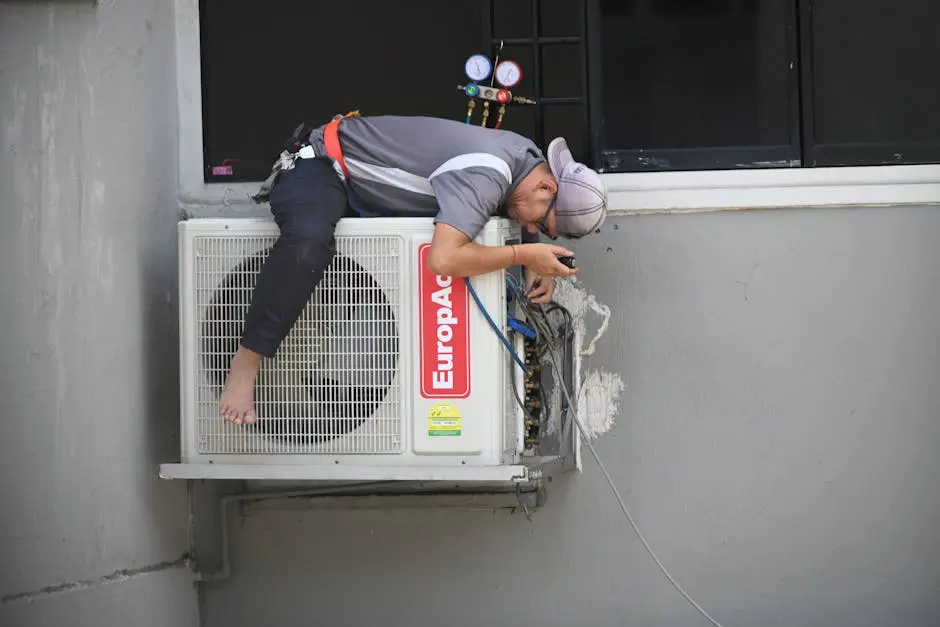
A technician skillfully repairing an outdoor air conditioning unit mounted on a building wall.

Understanding the Importance of Air Quality

Air quality directly affects our health and well-being. Poor air quality can lead to respiratory issues, allergies, and other health complications. Understanding its significance is the first step toward ensuring the air in our homes is clean and safe.

It’s not just about comfort; it’s about the quality of life you lead within your walls. The impacts of stale, contaminated air can manifest in various ways – from fatigue to chronic illnesses. As such, making awareness of air quality a priority is vital in every household. We are often surprised to learn that the air inside our homes can be more polluted than the air outside, especially in tightly sealed modern buildings.

Good air quality contributes significantly to improved mood and productivity. For families with children or elderly members, maintaining clean air is crucial. By taking a proactive stance, you can prevent potential health problems and ensure each breath taken inside your home is refreshing and rejuvenating.

How Your AC System Affects Indoor Air Quality

Your air conditioning system does more than just cool your home; it also plays a crucial role in filtering airborne pollutants. A properly maintained AC unit minimizes dust, pollen, and other allergens, creating a more pleasant indoor environment. It’s fascinating how this machine, often forgotten about until it breaks down, can be a true hero in keeping your home healthy.

When your AC is in good working order, it actively circulates air through clean filters, thus improving ventilation and reducing the concentration of indoor pollutants. Conversely, a neglected AC system can recirculate contaminated air, contributing to discomfort and adverse health effects. Think of your AC as a guardian of your indoor atmosphere—when it functions correctly, it ensures that the air you breathe is as fresh as possible.

Moreover, state-of-the-art AC systems come equipped with advanced filtration techniques, such as HEPA filters, that can capture particles as small as 0.3 microns. This means that even the tiniest allergens can be filtered out, providing a significant advantage for allergy sufferers. Investing in upgrades for your AC system could yield remarkable benefits for your home’s air quality.

Common AC Issues That Harm Air Quality

Problems such as dirty filters, refrigerant leaks, and mold growth can significantly decrease the quality of the air your AC circulates. Identifying these issues is essential to preventing contamination and ensuring your AC maintains optimal performance. For instance, a clogged filter not only forces your AC to work harder, leading to higher energy bills, but it also allows allergens to build up, worsening the air quality.

Another common issue arises from refrigerant leaks, which can lead to decreased cooling efficiency and contribute to humidity problems within your home. High humidity can foster mold growth, creating a vicious cycle that drastically compromises air quality. Addressing these issues head-on is critical; after all, a functional AC system should be your home’s partner in health, not an adversary.

Remember to keep an eye out for musty smells or visible signs of mold in the unit or ductwork. These could be indicators of a serious problem that deserves immediate professional attention. Being aware and responsive to these potential signs can greatly enhance your air quality and comfort.

The Role of Regular Maintenance and Repairs

Regular maintenance, including changing filters and checking for leaks, can extend the life of your AC system and enhance air quality. A scheduled inspection by a professional ensures that minor issues are addressed before they escalate. Just think about it: a little preventive care can save you time, money, and discomfort down the line!

In fact, engaging in routine maintenance not only keeps your system running smoothly but can also contribute to energy efficiency. An efficient AC uses less energy, which not only reduces your bills but also minimizes environmental impact. It’s a win-win situation; a well-maintained system is good for both your wallet and the planet.

Another aspect to consider is that regular maintenance can significantly reduce the likelihood of unexpected breakdowns during peak seasons. How disappointing it would be to have your system fail on the hottest day of summer! Scheduling biannual check-ups is a simple way to ensure your air conditioning is always in tip-top shape.

When to Seek Professional Help

Knowing when to call a professional for AC repair is crucial. Signs such as unusual noises, fluctuating temperatures, or an increase in dust around your home may warrant a technician’s attention to improve air quality. Don’t ignore those persistent whispers of concern—often, they signal a larger problem waiting to surface.

Additionally, if your AC system requires frequent repairs or seems to be inefficient despite regular maintenance, seeking professional advice might be the best course of action. It may be time to consider a replacement or upgrade to a more efficient model. After all, the health of your indoor environment is well worth the investment!

Timely repairs not only keep your system running efficiently, but they also help maintain comfort levels in your home. Remember, the quality of your indoor air is worth prioritizing, as it can lead directly to better health outcomes for you and your family.

Final Thoughts on Clean Air and AC Maintenance

Enhancing air quality through proper AC repair is a simple yet effective way to foster a healthier home environment. By staying proactive, understanding your AC system, and performing regular maintenance, you can breathe easier and enjoy the comfort of clean air. Don’t underestimate the power of fresh air – it leads to happier and healthier living. So, let’s take those first steps toward better air quality together!

Essential Furnace Service Tips for a Cozy Home

Keeping your furnace in top shape is crucial for ensuring your home stays warm and cozy during the chilly months. With some basic understanding and maintenance tips, you can extend the life of your furnace and enhance its efficiency. Let’s dive into some essential furnace service tips that can make a difference in your comfort at home.
Close-up of hands warming by a cozy fireplace, radiating warmth and comfort.

Understanding Your Furnace

Before delving into maintenance, it’s important to understand how your furnace operates. Familiarize yourself with its parts, such as the heat exchanger, blower, and filters. When you have a good grasp of these components, it becomes easier to diagnose issues before they become problematic.

Take some time to read your furnace’s manual. It provides crucial details about the operational features and maintenance demands. Each furnace is unique, and knowing what to expect will empower you to keep your system running effectively.

Additionally, understanding the lifecycle of your furnace can give you perspective on its efficiency. For instance, knowing when it was installed and its expected lifespan allows you to make informed decisions about repairs versus replacement.

Regular Maintenance Checks

Routine checks are essential. Schedule annual inspections with a qualified technician to catch potential problems early and ensure everything is functioning properly. These checks can make all the difference in keeping your home warm.

During these inspections, a technician will assess various elements of your furnace, including electrical components, safety controls, and ignition systems. Regular maintenance not only ensures safety but also enhances energy efficiency.

A good rule of thumb is to get these checks done before the heating season kicks into high gear. This proactive approach can help avoid unexpected breakdowns during the coldest months.

Keeping Filters Clean

One of the simplest yet most effective ways to keep your furnace running smoothly is by regularly checking and changing the air filters. Clogged filters can significantly reduce efficiency and cause the system to work harder.

Aim to change your filters at least every three months, or more frequently if your household includes pets or allergies. Clean filters improve air quality and lower energy consumption, saving you money in the long run.

Additionally, many systems have indicator lights that can alert you when a filter needs changing. Paying attention to these signals helps maintain optimal performance and extend the lifespan of your furnace.

Understanding Thermostat Settings

Learning how to effectively use your thermostat can make a significant impact on your home’s comfort and energy bills. Consider programming a schedule that suits your lifestyle. If your home is empty during the day, for instance, you might want to lower the temperature to save energy.

Many modern thermostats feature smart technology, allowing you to adjust settings from your phone. These devices can learn your patterns and adjust heating accordingly, adding another layer of efficiency.

Moreover, ensure your thermostat is correctly placed within your home. Avoid locations near windows or doors where drafts could mislead the temperature reading, causing your furnace to work more than necessary.

Dealing with Noisy Furnaces

If your furnace is making unusual noises, it may indicate a problem. Learn what different sounds could mean and when to call for professional help. For example, a rumbling noise might suggest there’s an issue with the burner.

Pay attention to the nature of the sounds—clanking, whining, or banging can provide clues about potential mechanical failures. Ignoring these noises can lead to larger, costlier repairs down the road.

When in doubt, don’t hesitate to consult a technician. Sometimes the noises might simply be a part of regular operation, but it’s always best to err on the side of caution.

Energy Efficiency Upgrades

Consider investing in energy-efficient upgrades for your furnace and home. These can include smart thermostats, upgraded insulation, or even a new furnace if yours is outdated. Upgrades not only improve comfort but can also significantly lower your utility bills.

Furthermore, ensuring your home is properly insulated enhances the effectiveness of your furnace. Check for drafts around windows, doors, and even electrical outlets. Sealing these gaps can lead to less strain on your furnace.

Lastly, consider scheduling an energy audit. This process can uncover hidden inefficiencies in your heating system, empowering you to take targeted action for improvement.

In Summary

By following these essential furnace service tips, you can ensure that your home remains a cozy haven during the colder months. A little maintenance goes a long way in enhancing your furnace’s performance and longevity. Remember, a well-cared-for furnace can save you money and keep you comfortable through every winter storm.

What Are Common Air Conditioner Problems and Solutions?

Air conditioners are essential for keeping our homes cool, especially during the hot summer months. However, like any machine, they can encounter problems from time to time. In this article, we’ll explore some common air conditioner issues and provide straightforward solutions to help you keep your cool.
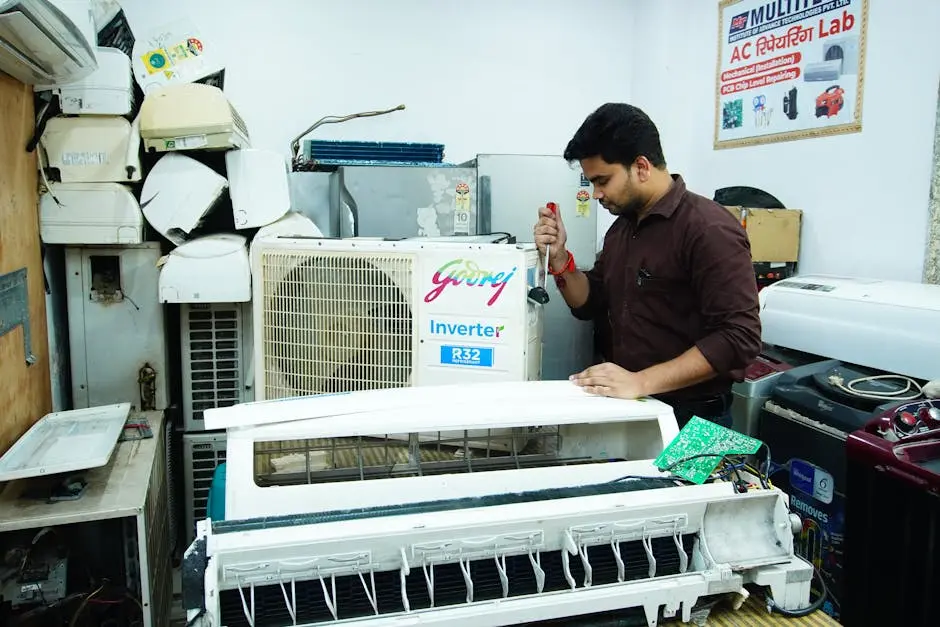
Technician repairing an air conditioner unit in New Delhi workshop.

Problem 1: Air Conditioner Won’t Turn On

If your air conditioner isn’t turning on, the first step is to check for tripped circuit breakers or blown fuses. Sometimes, a small electrical issue can be the culprit behind this frustrating problem.

Another common reason could be the thermostat settings. Ensure that it’s set to ‘cool’ and that the desired temperature is lower than the current room temperature. Simple adjustments can often fix the issue.

If you’ve checked both the breakers and the thermostat without success, the problem may lie deeper within the system. A faulty compressor or a malfunctioning capacitor could be the reason your air conditioner is silent.

It’s always wise to consult a professional if these steps don’t work. They can pinpoint the issue with diagnostic tools and recommend further action, ensuring your comfort returns quickly.

Problem 2: Insufficient Cooling

When your air conditioner runs but fails to cool your space effectively, it can be quite puzzling. Often, the issue stems from dirty filters or obstructions in the air vents.

First, check your air filters. If they are clogged with dirt and debris, they restrict airflow and diminish cooling efficiency. Cleaning or replacing the filters every 1-3 months can alleviate this issue.

Next, inspect the vents. Make sure they are open and unobstructed by furniture or other items. Proper airflow is crucial for optimal cooling.

In some cases, the size of the air conditioning unit may not meet your home’s cooling requirements. If your home has increased in size or insulation has been improved, you might need a more powerful unit. Consulting an HVAC professional can provide clarity here.

Problem 3: Strange Noises

Unusual noises such as grinding, squealing, or rattling can be alarming. These sounds often indicate mechanical problems within your air conditioner that shouldn’t be ignored.

Grinding noises may suggest worn-out bearings or loose components. If ignored, they can lead to more significant issues and costly repairs. Similarly, squealing sounds can indicate a slipping fan belt.

Furthermore, rattling can be a sign of debris in the blower or loose parts. If you hear such sounds, it’s best to turn off the unit and seek a technician’s help to avoid worsening the situation.

Regular maintenance can prevent many of these problems. Scheduling seasonal check-ups can help keep your air conditioner running quietly and efficiently.

Problem 4: Leaking Refrigerant

Noticing ice forming on the coils is a red flag for many air conditioner owners. Ice buildup often indicates a refrigerant leak, which can severely impact your system’s performance.

If your unit is low on refrigerant, it won’t be able to cool your home effectively. You might also notice that the air flow has weakened significantly. In such cases, it’s critical to call a professional immediately.

Attempting to refill refrigerant without fixing the leak won’t solve the underlying problem and is also illegal in many places. A certified technician can locate and repair the leak before recharging your system.

Problem 5: Bad Odors

Musty or foul smells emanating from your air conditioner can be quite concerning. Often, these odors signify mold, mildew, or even burnt wires, depending on the scent.

Mold and mildew typically thrive in the moist, dark environment of air conditioning systems. To prevent this, ensure regular cleaning and maintenance of your unit, paying extra attention to the drain pan and condensate line.

If you detect a burning smell, it could indicate an electrical issue that requires immediate attention. Turn off the unit and call a professional to ensure safe repair.

By keeping your air conditioner clean and scheduling regular check-ups, you can mitigate these unpleasant odors and maintain a fresh and inviting atmosphere in your home.

Stay Cool and Comfortable!

By understanding these common issues and their solutions, you can ensure your air conditioner runs smoothly and efficiently. Regular maintenance and timely repairs can save you from expensive breakdowns and discomfort during the heat. So, stay proactive and keep your air conditioner in top shape!