

Your Comfort Doesn’t Take the Weekend Off—Neither Do We! Saturday Appointments, Same Price! Book Now

614-389-3283

Book Appointment

How Humidity Control Can Improve Air Quality in Your Home

Maintaining a comfortable indoor environment goes beyond just temperature control. One of the most crucial, yet often overlooked, elements is humidity. In this blog, we will explore how humidity control can significantly enhance the air quality in your home, leading to a healthier and more enjoyable living space.
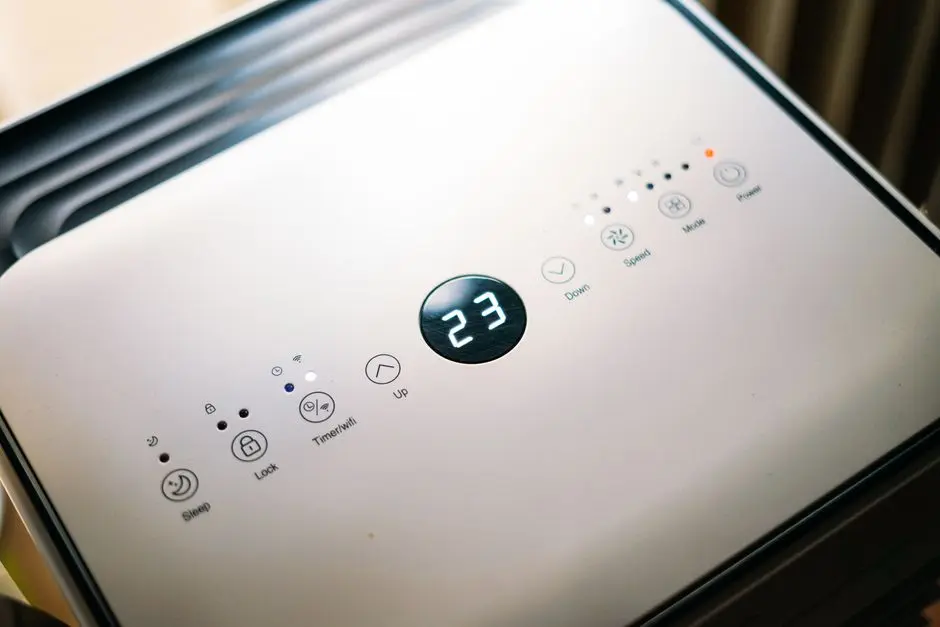
Close-up of a sleek air conditioner control panel displaying temperature.

Understanding Humidity and Its Impact on Health

Humidity refers to the amount of water vapor present in the air. It plays a significant role in our overall health and comfort. High humidity can lead to mold growth and respiratory issues, while low humidity can cause dry skin and irritation. Understanding the ideal humidity levels for our homes is the first step in improving air quality.

The ideal humidity range for indoor spaces usually falls between 30% and 50%. When humidity levels are maintained within this range, the air feels fresh, and breathing becomes easier. This sense of comfort can lead to improved concentration and productivity, especially in home offices or study areas.

Moreover, excessive humidity can create a breeding ground for pests, such as dust mites and mold, which can further aggravate allergy symptoms and asthma. Acknowledging how humidity affects our health is essential, not just for personal comfort, but for the sake of our family’s well-being.

The Benefits of Maintaining Optimal Humidity Levels

Proper humidity levels can help reduce dust mites, allergens, and airborne pathogens. This creates a healthier living environment. Additionally, optimal humidity can enhance the efficiency of heating and cooling systems, leading to energy savings and improved comfort.

When humidity levels are too high or too low, indoor air quality can suffer significantly. Not only can discomfort arise, but it can also lead to respiratory challenges for sensitive populations like children and the elderly. By maintaining the humidity within ideal limits, households can foster a more enjoyable and safer environment.

Another fascinating benefit of humidity control is its effect on preserving indoor furnishings and electronics. Excessive moisture can warp wooden furniture, damage electronic devices, and even ruin delicate fabrics. By keeping humidity at bay, not only are you enhancing health, but you’re also protecting your investment.

Common Sources of Humidity in Homes

From cooking and showering to household plants and even breathing, humidity can accumulate in various ways. Identifying these sources helps in managing indoor humidity levels effectively. By recognizing where excess moisture comes from, homeowners can take proactive measures to control it.

For instance, cooking generates a significant amount of steam, elevating humidity levels in the kitchen. Similarly, activities like washing clothes and using a dishwasher can also contribute. Ventilating these areas properly, either by opening windows or using exhaust fans, can help mitigate the build-up of humidity.

Additionally, many homeowners may not realize that the number of potted plants can impact humidity. While they are wonderful for air purification and aesthetics, they also release moisture. Finding the balance between having greenery indoors and controlling humidity is vital, as is monitoring the total number of sources contributing to indoor moisture.

Tools and Techniques for Humidity Control

There are several methods to control humidity, including using dehumidifiers, ventilation systems, and humidity monitors. Each tool has its own benefits and can be tailored to fit the specific needs of your home. Understanding how to use these tools will empower homeowners to take charge of their indoor air quality.

Dehumidifiers are especially useful in areas prone to excessive moisture, such as basements. They work by extracting moisture from the air, making it drier and more comfortable. Meanwhile, effective ventilation systems ensure fresh air circulation, keeping humidity levels in check naturally.

Moreover, a humidity monitor can be a game-changer. By regularly checking the humidity levels, homeowners can make informed decisions about when to use a dehumidifier or how often to ventilate. This proactive approach helps maintain optimal conditions and fosters an environment conducive to health.

Tips for Maintaining Healthy Humidity Levels Year-Round

Simple practices such as regular maintenance of HVAC systems, using exhaust fans, and monitoring humidity levels can make a big difference. Additionally, utilizing plants that absorb moisture can be an eco-friendly way to help manage humidity naturally.

Seasonal changes can also dramatically affect indoor humidity. In summer, high moisture levels might call for increased dehumidification, while winter often means central heating dries out the air. Adapting your strategies with the seasons ensures your home’s air quality remains balanced year-round.

Lastly, consider sealing cracks around windows and doors. This not only improves energy efficiency but reduces drafts that can alter humidity levels. Ensuring your home is well-insulated plays a crucial role in maintaining a comfortable environment for you and your family.

Final Thoughts on Humidity Control and Air Quality

Taking steps to control humidity levels in your home can lead to improved air quality, making your environment healthier for you and your family. By understanding the impacts of humidity and implementing effective solutions, you can create a comfortable and inviting atmosphere that promotes well-being.
How Can Regular AC Repair Improve Efficiency?

Maintaining the efficiency of your air conditioning system is crucial, especially during those hot summer months. Regular AC repair and maintenance can not only prolong the life of your unit but also enhance its performance. In this blog, we’ll explore how routine repairs can translate to a more efficient, cost-effective cooling experience in your home.
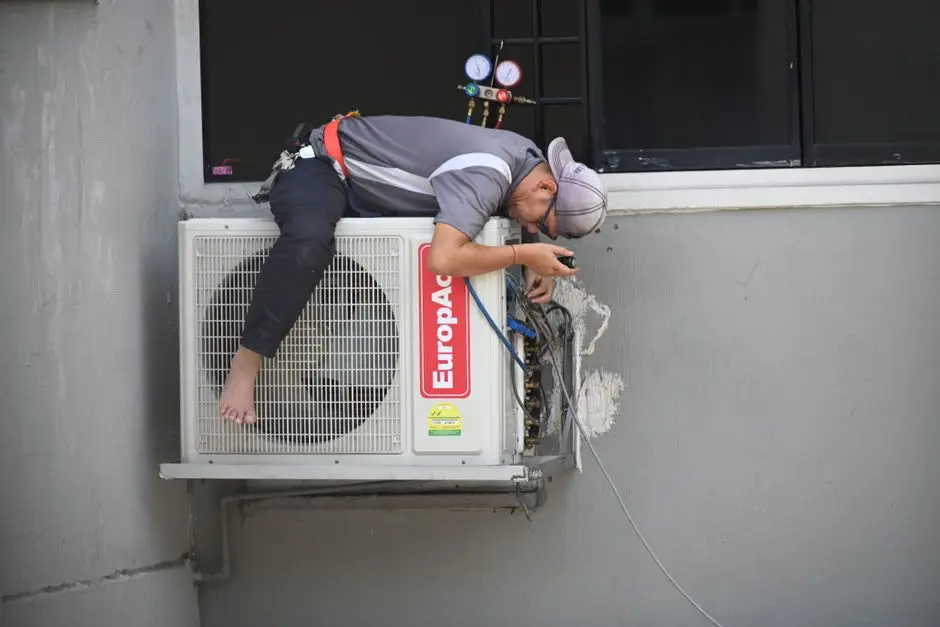
A technician skillfully repairing an outdoor air conditioning unit mounted on a building wall.

Understand the Importance of Regular Maintenance

Regular maintenance is key to catching issues before they become bigger problems. It’s essential for ensuring your AC unit runs smoothly and efficiently.

By investing in regular check-ups, you’re not only protecting your investment but also ensuring that your home stays comfortable throughout those sweltering heat waves. Like any machinery, air conditioners benefit greatly from attending to regular wear and tear.

Moreover, when you maintain your AC unit regularly, you significantly extend its lifespan and avoid premature replacements. A well-maintained unit can perform at higher efficiency levels, maximizing your cooling potential and optimizing energy consumption.

In other words, preventive maintenance acts like a health check-up for your AC; it allows you to spot minor hiccups that can escalate if left unchecked. So, make it a habit to give your AC the care it deserves and reap the long-term benefits!

Check for Common Issues

Know the common issues that can lead to inefficiency, such as dirty filters, refrigerant leaks, and electrical problems, and ensure they are addressed during repairs.

Dirty air filters are among the leading culprits behind decreased efficiency. They restrict airflow, forcing your AC to work harder, which inevitably leads to increased energy consumption. Regular filter changes can dramatically improve airflow and, therefore, overall efficiency.

Another frequent issue is refrigerant leakage. Insufficient refrigerant levels hinder your AC’s ability to cool your space effectively. A routine check can not only detect these leaks early on but also correct them swiftly, saving you from the consequences of inefficient cooling.

Remember to also inspect electrical components, as faulty wiring can impact system performance and pose safety risks. Scheduled AC maintenance ensures these common yet critical issues are resolved, keeping your system running effortlessly.

Schedule Routine Inspections

Regular inspections by a professional can uncover hidden issues and allow for timely repairs, which in turn boosts efficiency.

Think of inspections like a routine check-up for your AC system. Technicians have an eye for detail, often spotting potential problems long before they can affect performance or efficiency. This proactive approach can save you both time and money in the long run.

During these inspections, technicians not only check the unit’s functionality but also optimize settings, clean coils, and make necessary adjustments that might be overlooked by the untrained eye. Just like a good doctor evaluates overall health, a technician ensures each part of your system is in tip-top condition.

In short, setting up regular inspections as part of your maintenance routine is an investment in smooth, efficient cooling for your home. Don’t wait for a breakdown to realize the importance of these preventative checks.

Invest in Professional Repairs

While DIY fixes might seem appealing, professional repairs ensure that the job is done correctly and safely, leading to better long-term efficiency.

Professional technicians bring expertise and experience, crucial for diagnosing the underlying issues accurately. Attempting to tackle AC problems without the right knowledge can often exacerbate the situation, leading to further damage and costly repairs.

Think of it this way: would you perform surgery on yourself? Similarly, hire an expert who can efficiently restore your unit’s functionality while adhering to safety standards. Their specialized tools and training mean they can handle tasks safely and effectively, ensuring the job is done right the first time.

Investing in professional repairs isn’t just about fixing immediate issues; it’s also about guaranteeing improved efficiency and peace of mind. With trained professionals, you can trust that your system will be running efficiently, providing you comfort without the risk of future outages.

Understand the Cost Benefits

Regular AC repairs may seem like an additional expense, but they actually save you money on energy bills and prevent costly breakdowns in the future.

Consider this: a well-maintained air conditioning system operates at optimal efficiency, which directly relates to lower energy consumption. By making sure everything is functioning as it should, you will often see a noticeable drop in your electricity bills.

Additionally, addressing small issues with timely repairs prevents them from escalating into major, expensive problems. The cost of replacing a compressor or an entire unit is far steeper than a routine service check or repair—protect your wallet while maintaining comfort!

Ultimately, taking care of your AC through regular repairs is an investment in your home’s efficiency, comfort, and budget. Knowing the cost benefits can shift your perspective on repairs from reluctance to necessity, empowering you to take action now for a more comfortable tomorrow.

Final Thoughts on AC Repair Efficiency

In conclusion, keeping up with regular AC repairs significantly contributes to the efficiency of your cooling system. By addressing minor issues before they escalate, ensuring optimal performance, and ultimately lowering energy costs, routine maintenance is an investment worth making. So don’t wait—schedule your AC repairs today to enjoy a comfortable and efficient indoor environment all summer long!